ADJUST-T1D post hoc analysis shows early insulin cuts are independent of weight loss
A new analysis of the ADJUST-T1D trial found semaglutide cut insulin doses in adults with type 1 diabetes and obesity within weeks, before most weight loss occurred, mainly by lowering mealtime bolus doses.
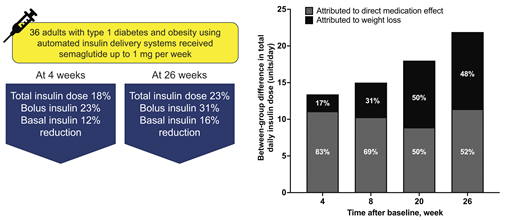
A post hoc analysis of the ADJUST-T1D trial, published in Diabetes Care, found that semaglutide led to rapid and lasting cuts in insulin doses among adults with type 1 diabetes and obesity, and that much of the early effect happened separately from weight loss [1]. The trial tested semaglutide 1 mg per week against placebo in people using automated insulin delivery systems [1].
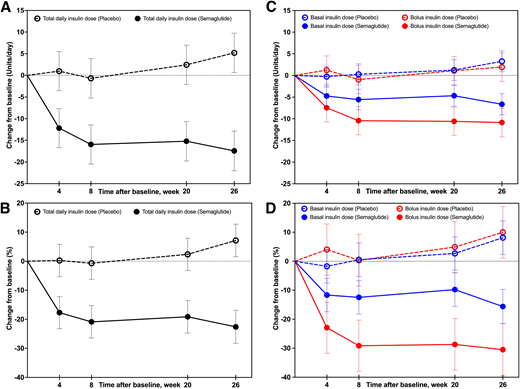
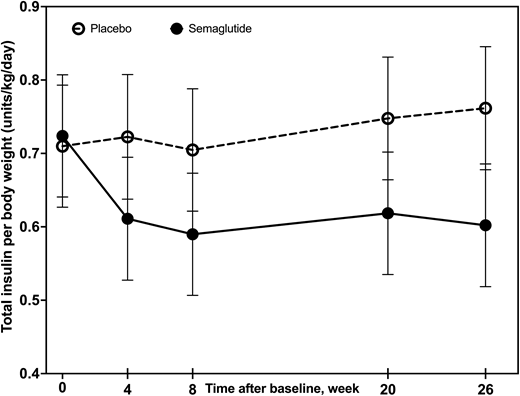
Over 26 weeks, total daily insulin dose fell by 22.6% in the semaglutide group compared with placebo, with a 95% confidence interval of −28.3% to −17.0% [1]. That drop was not spread evenly across insulin types. Bolus insulin, the doses taken around meals, fell by 30.5% (95% CI −39.5 to −21.5), while basal insulin, the steady background dose, fell by a smaller 15.6% (95% CI −21.5 to −9.7) [1]. The ratio of basal insulin to total daily dose rose from 0.56 to 0.62, and insulin dose per kilogram of body weight dropped from 0.72 to 0.60 units per kilogram per day, both statistically significant changes [1].
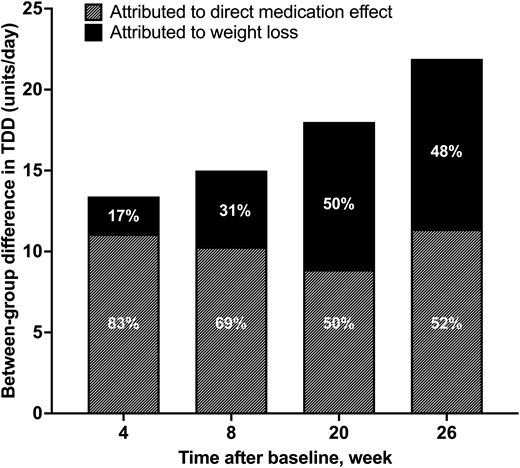
The timing of these changes is what stands out most in this analysis. Researchers used a statistical method called mediation analysis to separate how much of the insulin reduction came directly from the drug versus how much came from weight loss [1]. At week 4, 83% of the reduction in total daily dose, equal to 11.1 units per day, was attributed to a direct drug effect, while only 17%, or 2.3 units per day, was linked to weight loss [1]. By week 26, that balance had shifted: the direct drug effect accounted for 11.4 units per day, or 52% of the reduction, while weight loss accounted for 10.5 units per day, or 48% [1]. In other words, early insulin reductions happened largely independent of weight change, and weight loss became a bigger contributor only over time [1].
The study, led by researchers including Kagan E. Karakus and Viral N. Shah at institutions such as the University of Colorado and Indiana University School of Medicine, drew on data from ADJUST-T1D, a double-blind, multicenter, randomized, placebo-controlled trial [1]. The full text available notes that carbohydrate intake was also tracked as part of the analysis, though the complete results on that measure were not included in the material reviewed [1].
Why it matters for patients
For adults with type 1 diabetes and obesity, insulin dosing is a daily balancing act tied to meals, activity, and blood sugar targets. This analysis suggests that when semaglutide is added to insulin therapy, some of the earliest dose reductions, particularly in bolus insulin taken with meals, may not simply be a byproduct of eating less or losing weight [1]. That distinction matters for understanding how the drug is working in the body, separate from its well-known effect on appetite and weight [1].
Because the trial was conducted in people using automated insulin delivery systems, the findings describe a specific group of patients whose insulin doses are already adjusted continuously by algorithm-driven pumps [1]. How these results might apply to people using other insulin delivery methods is not addressed in this analysis [1].
It is also worth noting that semaglutide is not approved in the United States for type 1 diabetes; the drugs Ozempic, Wegovy, and Rybelsus, all containing semaglutide, are approved for type 2 diabetes or weight management, not type 1 diabetes. This study reflects research use of the drug in a type 1 diabetes population under a formal clinical trial rather than approved labeling.
What happens next
The article was published in the May 2026 issue of Diabetes Care, with an online post date of April 20, 2026, and a related commentary discussing shared strategies between type 1 and type 2 diabetes management has also been published in the same journal [1]. The sources reviewed do not describe specific follow-up studies or regulatory next steps.
Images from the sources
Sources
Semaglutides.org is for information only and is not medical advice. Always talk to a licensed healthcare provider about your own care. Some links to telehealth services are affiliate links, labeled where they appear.