Multinational study of 1.8 million older adults compares GLP-1 safety against other diabetes drugs
A study of 1.8 million older adults with type 2 diabetes found GLP-1 drugs carried lower risks of low blood sugar and high potassium than an older diabetes pill class, sulfonylureas.
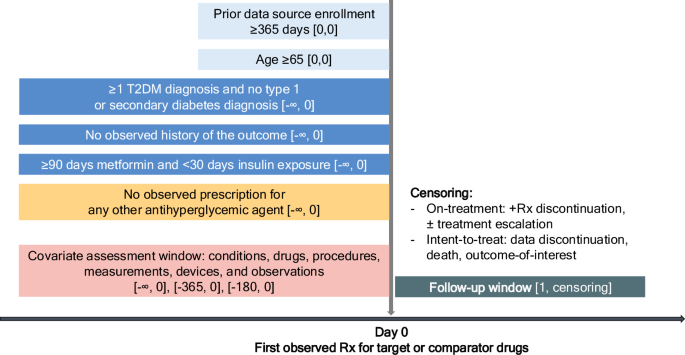
A large international study published in Nature Communications compared the safety of four widely used classes of second-line diabetes drugs in adults 65 and older, finding that GLP-1 receptor agonists and SGLT2 inhibitors were both linked to significantly lower risks of hypoglycemia and hyperkalemia than sulfonylureas, an older class of diabetes pills [1][2].
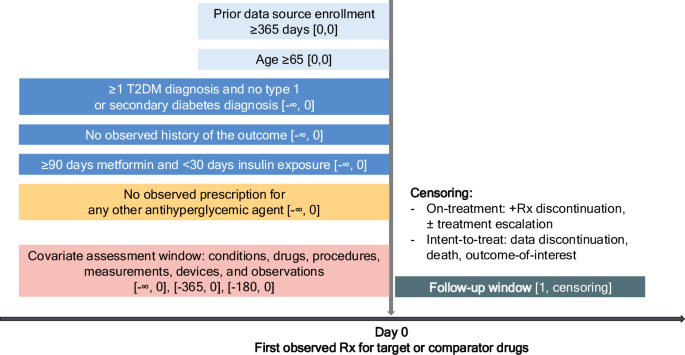
The study drew on nine health care databases across the United States, Germany, and Spain, covering 1,808,003 adults age 65 or older with type 2 diabetes who started a second diabetes drug after an initial treatment, typically metformin [1]. Researchers compared 18 different safety outcomes across GLP-1 receptor agonists, SGLT2 inhibitors, DPP-4 inhibitors, and sulfonylureas using statistical adjustment methods designed to account for differences between patients who received each drug [1].
Among GLP-1 drugs, dulaglutide made up 45.4% of prescriptions, semaglutide 36.1%, and exenatide 17.8% [1]. Overall, only 4.1% of the older adults in the study started a GLP-1 drug as their second diabetes medication, compared with 9.6% who started an SGLT2 inhibitor, 26.8% who started a DPP-4 inhibitor, and 59.5% who started a sulfonylurea [1]. That means sulfonylureas, not the newer drug classes, remained the most common second-line choice in this population during the study period.
Beyond the comparison with sulfonylureas, the study found that GLP-1 receptor agonists were linked to a lower risk of peripheral edema, a form of fluid swelling, than DPP-4 inhibitors [1][2]. It also found that SGLT2 inhibitors carried a higher risk of diabetic ketoacidosis, a serious complication involving a buildup of acids in the blood, compared with both GLP-1 receptor agonists and sulfonylureas [1][2]. The authors noted that people who started a GLP-1 drug or an SGLT2 inhibitor were followed for shorter median periods, ranging from about 55 to 246 days, than people who started a DPP-4 inhibitor or sulfonylurea, whose follow-up ranged from about 84 to 741 days [1].
Why it matters for patients
Older adults are frequently left out of the clinical trials that first test diabetes drugs, even though they are more likely to have multiple health conditions and take multiple medications, which raises their risk of drug side effects [1]. This study was designed specifically to fill that gap using real-world prescription and health records rather than trial data [1].
For patients weighing diabetes treatment options, the findings suggest that GLP-1 drugs and SGLT2 inhibitors carried a lower risk of dangerously low blood sugar and high potassium levels than sulfonylureas in this older population [1][2]. Low blood sugar and elevated potassium can both be serious, and sometimes urgent, medical problems, particularly in older adults with reduced kidney function or other chronic illnesses [1].
At the same time, the study found a tradeoff: SGLT2 inhibitors, despite their advantages over sulfonylureas, showed a higher risk of diabetic ketoacidosis than GLP-1 drugs [1][2]. This is not a case of one class of drugs being uniformly safer across all measures. The authors describe their results as intended to support
Images from the sources
Sources
Semaglutides.org is for information only and is not medical advice. Always talk to a licensed healthcare provider about your own care. Some links to telehealth services are affiliate links, labeled where they appear.