Lilly revises Zepbound single-dose pen and vial instructions for use
New FDA-approved instructions cover everyday questions for Zepbound's single-dose pen and vial, including that vial users must supply their own needle and syringe.
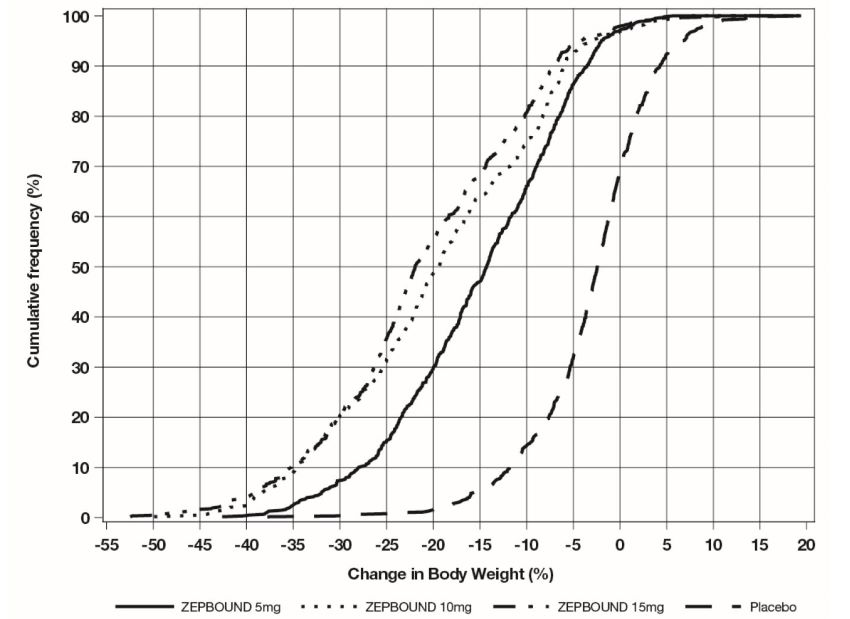
Eli Lilly has issued revised, FDA-approved Instructions for Use for the Zepbound single-dose pen and the Zepbound single-dose vial, both dated April 22, 2026. The vial document, identified as ZEP-0002-VL-IFU-20260422 and marked "Revised: April 2026," states that it has been approved by the U.S. Food and Drug Administration [2]. An FDA supplement approval letter lists single-dose pen and single-dose vial Instructions for Use versions as previously approved on April 22, 2026 [3].
Zepbound is tirzepatide, a glucose-dependent insulinotropic polypeptide (GIP) receptor and glucagon-like peptide-1 (GLP-1) receptor agonist [1]. With a reduced-calorie diet and increased physical activity, it is approved to reduce excess body weight and maintain weight reduction long term in adults with obesity, or in adults with overweight who have at least one weight-related condition, and to treat moderate to severe obstructive sleep apnea in adults with obesity [1]. Single-dose pens and single-dose vials are made in six strengths: 2.5 mg, 5 mg, 7.5 mg, 10 mg, 12.5 mg and 15 mg per 0.5 mL [1].
The single-dose pen instructions include a commonly asked questions section. It confirms that air bubbles are normal, that it is not necessary to warm the pen to room temperature, and that a soft click heard before the second loud click is normal operation [3].
The vial instructions state that the needle and syringe are not included and give a 1 mL syringe as an example of what a healthcare provider may recommend [2]. The supply list is one single-dose Zepbound vial, one syringe and one needle supplied separately, an alcohol swab, gauze and a sharps container [2]. The dose is 0.5 mL injected under the skin of the abdomen or thigh, and another person can inject into the back of the upper arm [2]. The needle should stay in the skin for at least 5 seconds [2]. Users are told to change (rotate) the injection site within the area chosen for each dose, and not to inject where skin has pits, is thickened or has lumps, or where skin is tender, bruised, scaly or hard, or into scars or damaged skin [2].
Storage instructions say unopened vials belong in the refrigerator at 36°F to 46°F (2°C to 8°C) [2]. An unopened vial may be kept at room temperature up to 86°F (30°C) for up to 21 days in total and is discarded after 21 days at room temperature; it must not be frozen or used if it has been frozen, and it should stay in the original carton to protect it from light [2]. Opened vials are thrown away after use even if medicine remains, and needles and syringes should never be reused or shared [2].
What changed from earlier versions of these instructions, and why they were revised, has not been disclosed.
Why it matters for patients
These are the documents people follow when injecting Zepbound at home, and the revised versions address points that can come up in routine use. Anyone using the single-dose vial needs a separate syringe and needle, since neither is included in the box [2]. The 21-day room-temperature limit is a practical detail for anyone traveling with a vial or leaving one out of the refrigerator, and the directions say to discard the vial after a single use even if medicine is left in it [2]. Rotating injection sites is described as a way to lower the risk of lipodystrophy (pits in skin or thickened skin) and localized cutaneous amyloidosis (skin with lumps) at injection sites [2]. The vial instructions also note that they do not take the place of talking with a healthcare provider about a medical condition or treatment [2]. For pen users, the questions covered in the revised document — air bubbles, whether to warm the pen, and hearing a soft click before the second loud click — are described there as normal [3].
What happens next
No further revisions to the single-dose pen or single-dose vial instructions have been announced. The same FDA supplement approval letter also lists KwikPen Instructions for Use as previously approved January 20, 2026, and multi-dose vial Instructions for Use as previously approved January 7, 2026 [3]. Zepbound's prescribing information, which sets out approved uses, dosing and warnings, is a separate document from the Instructions for Use [1].
Images from the sources
Sources
Semaglutides.org provides information only, not medical advice. Talk to a licensed provider about your own care before making changes. Some telehealth links are affiliate links and are labeled where they appear.