STAT: microdosing GLP-1s is not a thing, and there is no agreed definition of it
A Harvard obesity doctor writing in STAT says GLP-1 'microdosing' has no agreed definition and no long-term safety or effectiveness data, unlike the FDA-approved doses of Wegovy and Zepbound.[1]
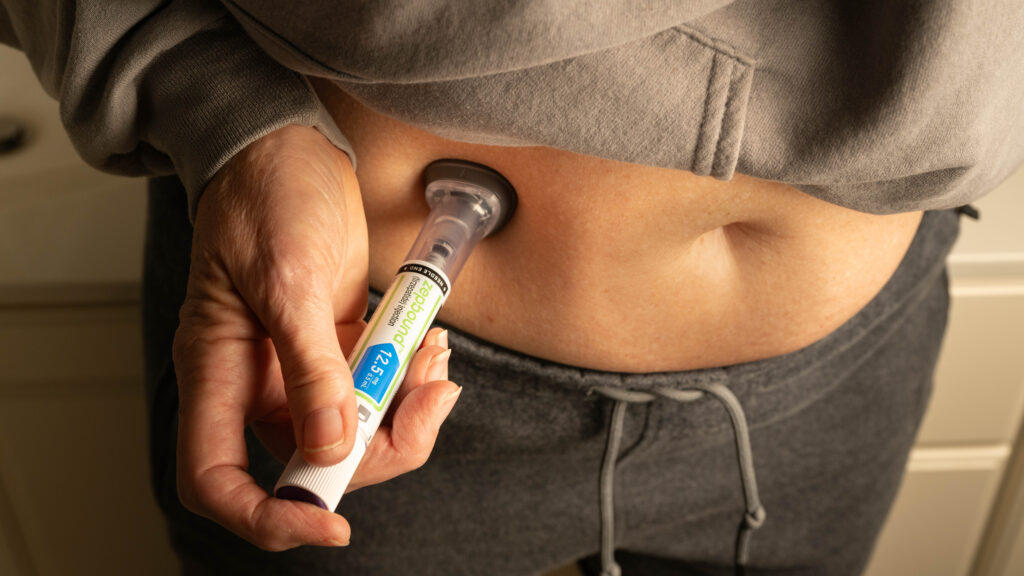
An obesity medicine doctor is pushing back on the growing trend of GLP-1 "microdosing," writing in STAT that the practice is not a recognized medical concept and that no legitimate long-term evidence supports it.[1]
Jody Dushay, an assistant professor of medicine at Harvard Medical School and an attending endocrinologist at Beth Israel Deaconess Medical Center, says patients are increasingly asking her about microdosing GLP-1 medications for weight loss, and that the idea is being promoted through TV and online ads and word of mouth.[1] She writes that as a physician who prescribes GLP-1 therapies for people with obesity and weight-related metabolic disease, she wants to be direct: "Microdosing GLP-1s is not a thing."[1]
Dushay's core argument rests on three points. First, there are no legitimate long-term data showing that microdosing works, whether for weight loss or any other condition.[1] Second, there is not even a single agreed-upon definition of what a "microdose" is, meaning the term can mean different things depending on who is using it.[1] Third, the only doses of GLP-1 medications that have been studied for safety and effectiveness are the specific doses approved by the Food and Drug Administration for drugs such as Wegovy and Zepbound.[1] Doses below those approved levels have not gone through the same clinical trial process.
Why it matters for patients
For people considering or already using GLP-1 medications, the distinction matters because approved doses are the ones tied to the safety and effectiveness data that led to FDA approval in the first place.[1] When a dose falls outside that approved range, whether higher or lower, there is no equivalent body of evidence showing what to expect in terms of results or risks.[1]
The absence of a standard definition also creates confusion. Because "microdosing" is not a formally defined term, what one person or seller calls a microdose might be very different from what another means by it.[1] That inconsistency makes it hard for patients to know what they are actually being offered or what data, if any, might apply to it.
Dushay frames this as a concern rooted in her clinical practice, where she says she prescribes only doses of GLP-1 therapies that have gone through the standard approval pathway.[1] Her piece suggests that patients hearing about microdosing from advertising or social conversation should understand that this marketing has outpaced the scientific evidence base rather than reflecting an established, studied practice.[1]
What happens next
The STAT piece does not describe any regulatory action, new clinical trials, or FDA statement addressing microdosing specifically.[1] It is not yet known from the available material whether the FDA or manufacturers plan to formally address the marketing or use of below-label doses of semaglutide or tirzepatide products, or whether any studies are underway to evaluate them. Readers interested in dosing questions may want to watch for further reporting or statements from regulators, since this commentary represents one physician's assessment rather than a policy change.[1]
Images from the sources
Sources
Semaglutides.org is for information only and is not medical advice. Always talk to a licensed healthcare provider about your own care. Some links to telehealth services are affiliate links, labeled where they appear.