STAT News revisits microdosing: still popular, still unsupported
A Harvard endocrinologist writing in STAT on May 29, 2026 says there are no legitimate long-term data behind GLP-1 "microdosing" — and no agreed definition of what a microdose even is [1].
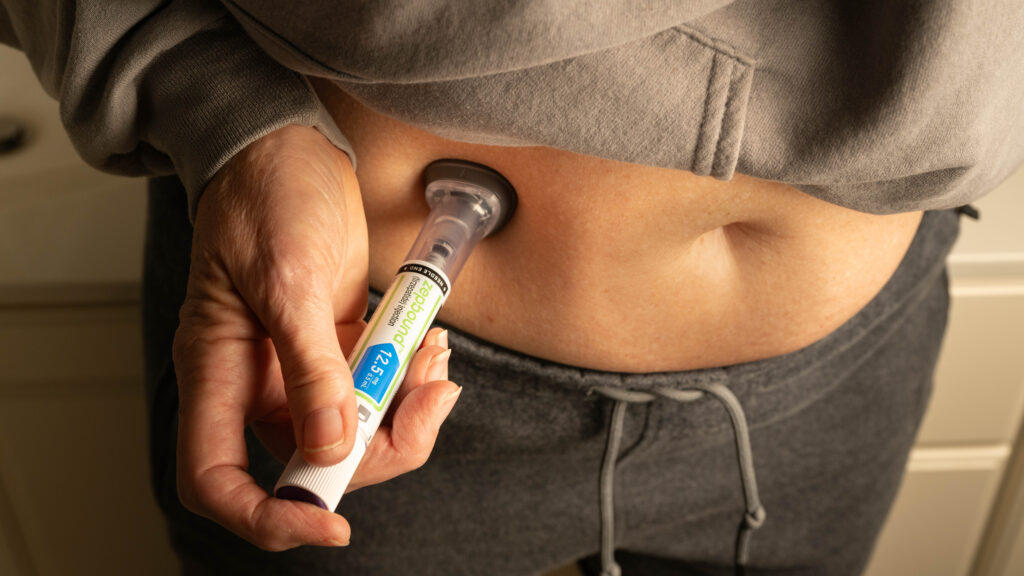
A new First Opinion essay in STAT, published May 29, 2026, argues that the fast-growing practice of "microdosing" GLP-1 medications for weight loss is not backed by evidence. The author, Jody Dushay, an assistant professor of medicine at Harvard Medical School and an attending endocrinologist at Beth Israel Deaconess Medical Center, writes bluntly: "Microdosing GLP-1s is not a thing. There are no legitimate long-term data to support it" [1].
Her second point may matter even more for people trying to make sense of the ads: there is no shared definition of the term. Dushay writes that "there isn't even a single definition of microdosing for weight loss or any other condition" [1]. In other words, two clinics using the same word may mean very different amounts of semaglutide or tirzepatide, and there is no standard that lets patients compare one offer to another.
What the essay describes
Dushay frames microdosing as a mainstream consumer trend rather than a fringe one. She says patients are asking her about it, that TV and online ads are promoting it, and that friends are speculating about who is doing it [1]. She positions herself as someone who prescribes "only legitimate GLP-1 therapies to people with obesity and weight-related metabolic diseases," and describes the trend she is worried about as microdosing "for cosmetic weight loss" — that is, use by people seeking a smaller amount of weight loss rather than treatment for a diagnosed condition [1].
The headline on the piece summarizes the concern as "Tiny doses, big unknowns" [1].
Several things are not answered in the material available to us. The bulk of the essay sits behind STAT's subscription wall, so the specific doses, products or business models Dushay criticizes are not included in the source text we can verify [1]. The essay also does not, in the portion available, report any new study, safety signal, enforcement action or regulatory decision. It is an opinion piece from one clinician, not a trial result or an agency statement. Whether other endocrinologists or professional societies agree with her framing is not addressed in the source.
Why it matters for patients
The practical problem Dushay identifies is an information gap. Approved GLP-1 products — semaglutide sold as Ozempic, Wegovy and Rybelsus, and tirzepatide sold as Mounjaro and Zepbound — were studied at specific doses in clinical trials. "Microdosing" describes amounts and schedules that sit outside that framework, and because the term has no agreed meaning [1], a person responding to an ad has no reliable way to know what they are being sold, how it compares to what was tested, or what the long-term effects would be.
That also makes it hard to weigh cost against benefit. Lower amounts of drug are often marketed as a cheaper entry point, but the essay's core claim is that the long-term data needed to say whether that approach works — for weight, for metabolic health, or for anything else — do not exist [1]. Absence of data is not the same as evidence of harm, and Dushay does not report specific injuries; her argument is about unknowns [1].
For anyone evaluating a marketing claim, two questions follow directly from the essay: what exactly is the dose being offered, and what evidence is the seller pointing to. Those are conversations for a licensed clinician who knows a person's medical history.
What happens next
No dated regulatory or research milestones are attached to this development in the source [1]. The essay does not announce a study, a guideline revision, or an FDA action, and it is not yet known whether medical societies will issue a formal position on GLP-1 microdosing or whether any group will attempt to define the term. Until that happens, the gap Dushay describes — heavy advertising, no definition, no long-term data — is likely to persist.
Images from the sources
Sources
Semaglutides.org is for information only and is not medical advice. Always talk to a licensed healthcare provider about your own care. Some links to telehealth services are affiliate links, labeled where they appear.