Los Angeles Times documents how far microdosing has spread
A Los Angeles Times report finds a growing share of GLP-1 patients are taking very low, undefined 'microdoses' to quiet food cravings without major weight loss, even though no studies have tested whether the practice is safe or effective.
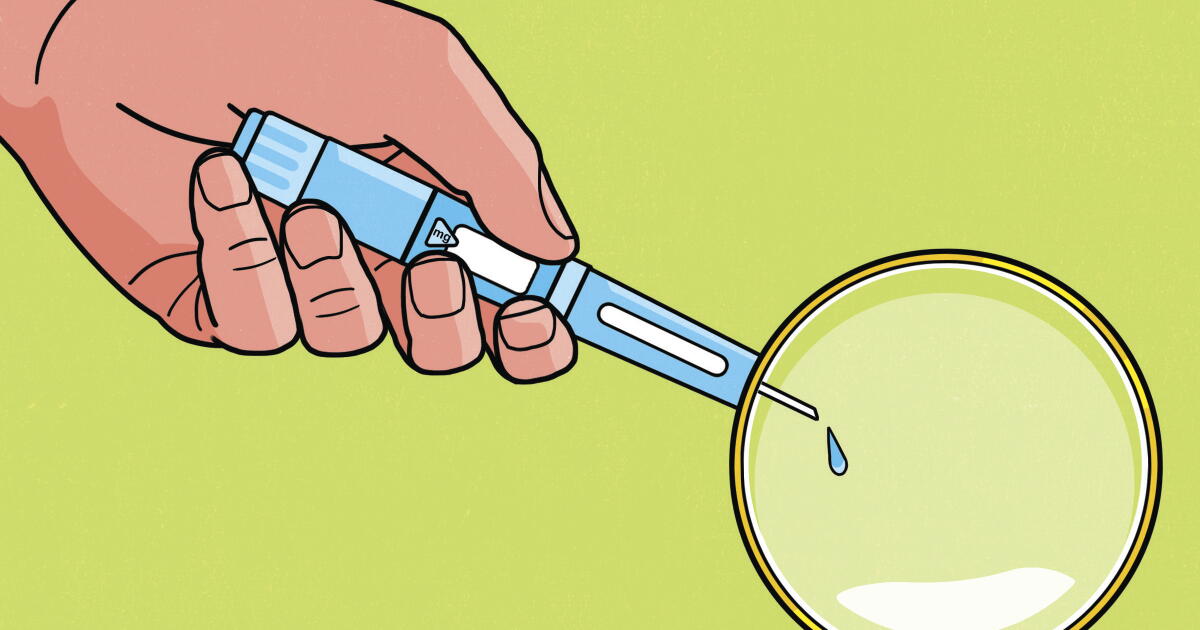
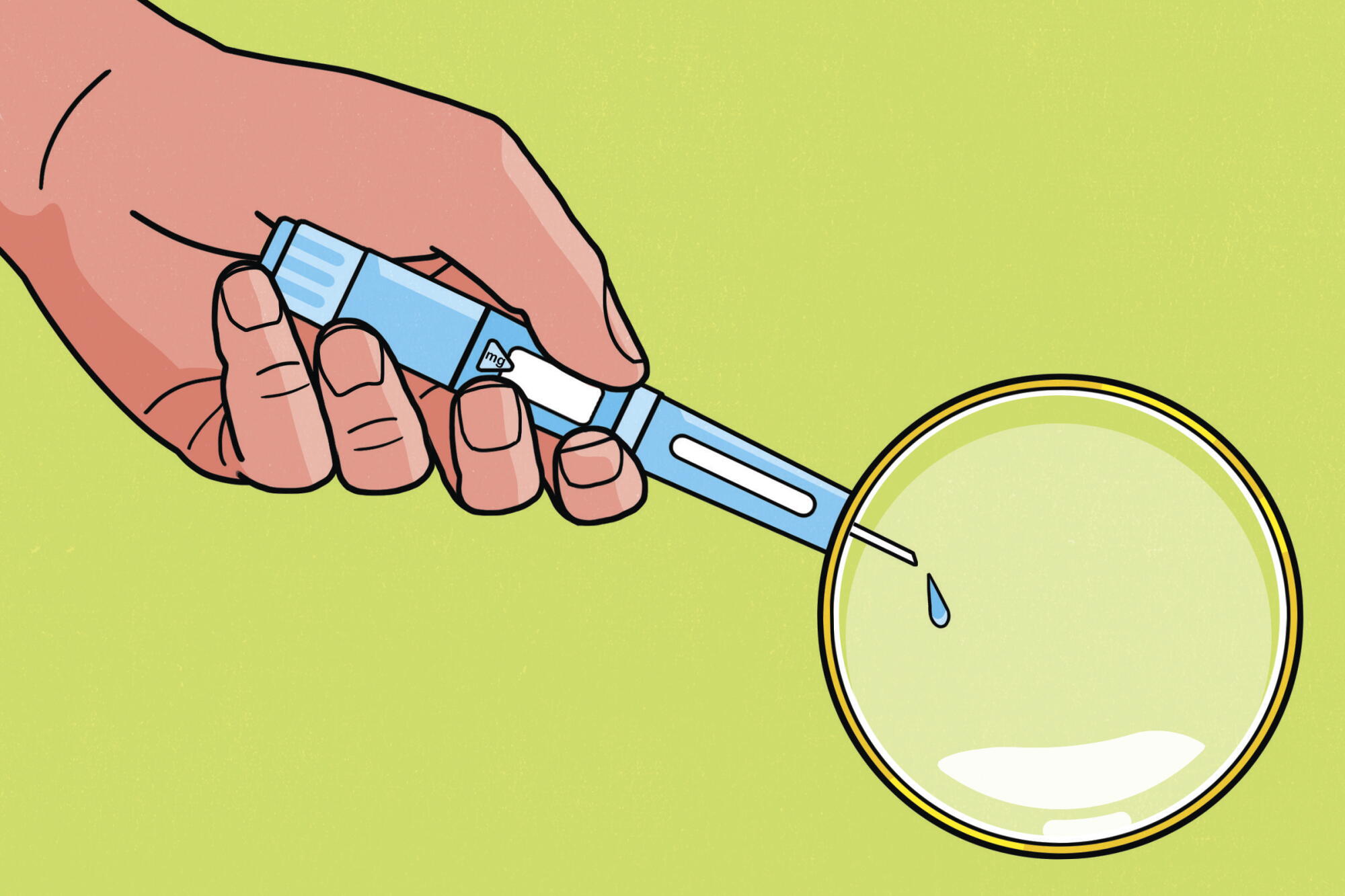
A Los Angeles Times investigation published June 23, 2026, documents how widely "microdosing" of GLP-1 drugs like Ozempic and Wegovy has spread among patients seeking lower costs and fewer side effects [1]. Dr. Sara Siavoshi, a board-certified obesity, neurology and headache specialist who treats about 5,000 patients, estimates that 30% to 40% of them are microdosing either semaglutide or tirzepatide [1]. She defines a microdose as the lowest amount of a GLP-1 that quiets "food noise" — chronic, unwanted thoughts about food — without causing more than 3 or 4 pounds of weight loss [1].
The trend has been fueled by online testimonials on TikTok, Instagram, Facebook and Reddit, where users describe losing weight with fewer side effects than the standard doses approved by the FDA [1]. Some telehealth companies, including Fridays, Noom and Found Health, began offering lower-dose GLP-1 protocols in 2025 after anecdotal reports about microdosing surged [1]. Brand-name GLP-1s can cost around $10,000 a year out of pocket, or $300 to $1,200 a year with insurance coverage, and many insurance plans only pay for the drugs if a person has a diabetes diagnosis rather than obesity, which pushes some patients toward cheaper alternatives [1].
One patient described in the story, a 31-year-old Huntington Beach caretaker named Monika Awadalla, said she has been buying compounded tirzepatide for about a year and a half from an unlicensed manufacturer in China she connected with through a Facebook group, paying $290 for 10 vials that last roughly a year [1]. She told the Times she has gone from 245 pounds to 140 pounds using the compounded drug [1]. Compounded versions of these medications are not reviewed by the FDA for safety, efficacy or consistency in the same way brand-name drugs are, which the Times notes can raise concerns about quality control, potency variation or contamination [1].
Dr. Shauna Levy, medical director for the Tulane Weight Loss Center, told the Times that no scientific studies have examined the efficacy or safety of microdosing GLP-1s [1]. She said the term itself is "vague" and lacks a consistent medical definition, calling it "almost becoming this buzz word" that some use as a marketing tool to suggest a person isn't on a full dose [1]. Levy said microdoses are unlikely to be effective for most people seeking to treat obesity, and she worries patients who pay for cheaper microdosing options may conclude, incorrectly, that GLP-1 treatment simply doesn't work for them [1].
Why it matters for patients
The Times report makes clear that "microdosing" is not a standardized medical term or an FDA-approved protocol — it means different things to different providers and patients [1]. Levy and Siavoshi both work with patients using lower doses, but neither cites clinical trial data showing whether the practice is safe or effective over the long term, and Levy stresses this is not yet known [1]. Levy also emphasized that GLP-1s, when prescribed appropriately, are effective for treating obesity, and she said it matters who is prescribing them; she recommends ongoing care from a professional certified by the American Board of Obesity Medicine [1]. Patients considering lower-dose regimens may be weighing cost and side effects against uncertainty about outcomes, and those turning to compounded products from unlicensed international sellers, as in Awadalla's case, face additional unknowns about drug quality that the sources say haven't been studied [1].
What happens next
The Times report does not cite any planned clinical trials or regulatory action specifically addressing GLP-1 microdosing, and no timeline for such research is mentioned in the available reporting [1]. Levy's comments suggest the medical community currently lacks data to evaluate the practice, leaving open questions about long-term efficacy and harm that are not yet answered in the sources reviewed [1].
Images from the sources

Sources
Semaglutides.org is for information only and is not medical advice. Always talk to a licensed healthcare provider about your own care. Some links to telehealth services are affiliate links, labeled where they appear.