MHRA approves the Wegovy tablet, a European first
UK regulators licensed a 25 mg daily semaglutide tablet under the Wegovy brand on June 11, 2026, the first oral GLP-1 approved for weight management in Europe [1][2].
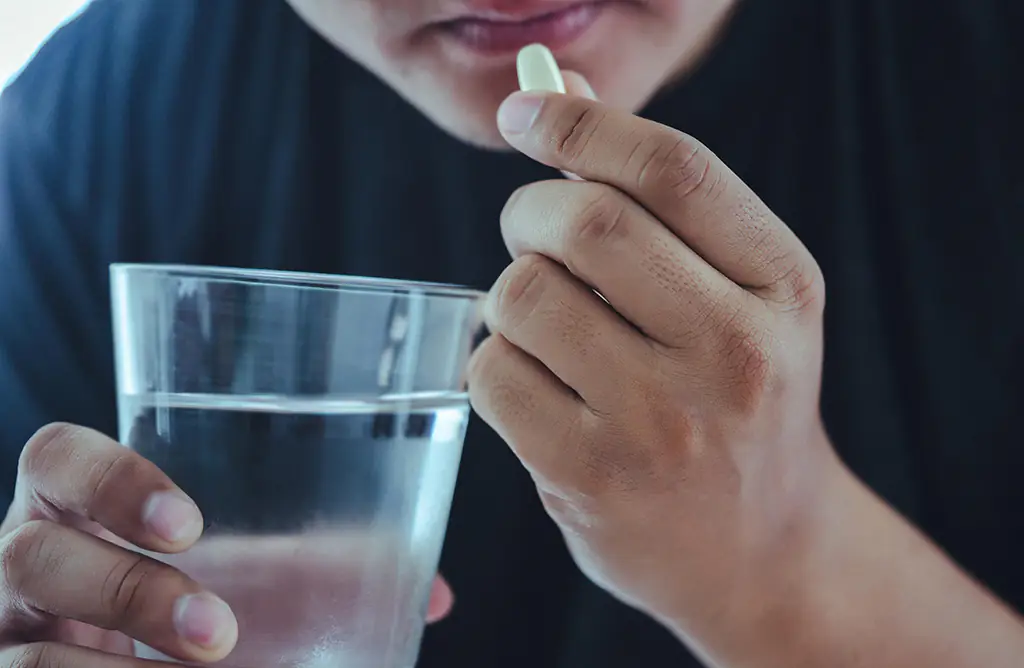
The UK's Medicines and Healthcare products Regulatory Agency (MHRA) approved a once-daily semaglutide tablet for weight loss and weight management on 11 June 2026, making it the first GLP-1 receptor agonist pill licensed for that use in the country [1]. The authorisation was granted to Novo Nordisk, which sells the product under the Wegovy brand [1].
The tablet can be prescribed to adults alongside a reduced-calorie diet and increased physical activity if they have obesity with a body mass index (BMI) of 30 or above, or are overweight with a BMI between 27 and 30 plus at least one weight-related health condition [1][2]. Like all GLP-1 medicines in the UK, it is prescription-only, said Julian Beach, the MHRA's executive director of healthcare quality and access [1].
How the dosing works
The MHRA set a four-step schedule: patients start at 1.5 mg once daily and can move up to 4 mg, then 9 mg, then 25 mg, with a minimum of one month at each dose level [1][2]. That means at least three months of stepping up before reaching the top strength.
There is one shortcut. The agency said patients already being treated privately with the 2.4 mg semaglutide injection once weekly — the Wegovy pen dose — can switch straight to the 25 mg tablet once daily without repeating the titration [1][2].
The pill also comes with strict timing rules, because oral semaglutide is poorly absorbed if taken with food. The MHRA says the tablet should be swallowed whole on an empty stomach with a sip of water after fasting for at least eight hours, and that no food or drink should follow for at least 30 minutes [1]. Eating or drinking sooner than that lowers absorption of the drug [1][2].
The most common side effects listed are gastrointestinal: nausea, diarrhoea, constipation and vomiting [1]. The MHRA said it keeps the medicine's safety and effectiveness under close review and asked people to report suspected side effects through its Yellow Card scheme [1].
Approved, but not yet on the NHS
Approval does not mean availability through Britain's public health system. The MHRA said the tablet is "not available currently via the NHS," and that decisions on NHS use will follow established processes including an evaluation by the National Institute for Health and Care Excellence (NICE) [1]. In the meantime, access would run through private prescribing channels. The National Pharmacy Association's chair, Olivier Picard, said pharmacies "are awaiting further guidance about when this treatment will be available for patients" [2].
Sebnem Avsar Tuna, general manager at Novo Nordisk UK, called the approval "an important milestone for obesity care in the UK" and said it gives people "the choice and flexibility of oral treatment" [2].
Pharmacy leaders raised two cautions. Picard warned about "a growing black market for counterfeit weight-loss treatments, with a tablet form of medication potentially easier for criminals to counterfeit" [2]. Kieran Seyan, chief medical officer at Pharmacy2U, noted that the NHS estimates about one in ten people experience needle phobia, so more formulations may help some patients, but added that "these medicines may not be suitable for everyone and should only be prescribed after a thorough assessment by a qualified clinician" [2].
Why it matters for patients
For US readers, this is a regulatory decision in another country, and these sources do not address the drug's status with the US Food and Drug Administration. What the UK decision does show is the specific shape regulators are giving an oral GLP-1 for weight management: a four-step titration with one-month minimums, a 25 mg target dose, an eight-hour fast before dosing, and a 30-minute wait before eating or drinking [1][2]. Those fasting rules are a real daily-life difference from a weekly injection, and missing them reduces how much drug the body absorbs [1].
The UK experience also separates two things that often get blurred: a regulator saying a medicine is safe and effective enough to sell, and a health system agreeing to pay for it. In the UK those are different steps, and NICE has not yet completed its evaluation [1].
What happens next
The MHRA said the Summary of Product Characteristics and Patient Information Leaflet would be published on its products website within seven days of the 11 June 2026 approval [1]. No date for a NICE decision or for NHS availability is given in these sources [1][2].
Sources
Semaglutides.org is for information only and is not medical advice. Always talk to a licensed healthcare provider about your own care. Some links to telehealth services are affiliate links, labeled where they appear.