Prospective cohort reports 18 percent weight loss with tirzepatide after bariatric surgery
A small 34-patient study found tirzepatide helped people who regained weight after bariatric surgery lose 18.1 percent of body weight over 24 weeks, with only mild side effects and no dropouts.
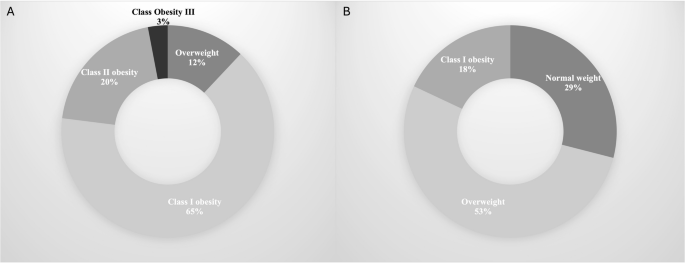
A new observational study published June 5, 2026 in the journal Obesity Surgery found that tirzepatide led to significant weight loss in patients who had regained weight after bariatric surgery or endoscopic bariatric therapy [1]. Over 24 weeks, 34 patients lost a mean of 18.1 percent of their total body weight, a result the study authors called statistically significant (p < 0.0001) [1].
The study enrolled 26 women and 8 men who had regained weight following bariatric surgery (32 patients) or endoscopic bariatric therapy (2 patients) [1]. Weight regain was defined as gaining back at least 15 percent of the weight originally lost after their procedure [1]. Participants received once-weekly injections of tirzepatide, with doses ranging from 2.5 mg to 10 mg per week, at a single tertiary referral center in Italy between November 2024 and July 2025 [1].
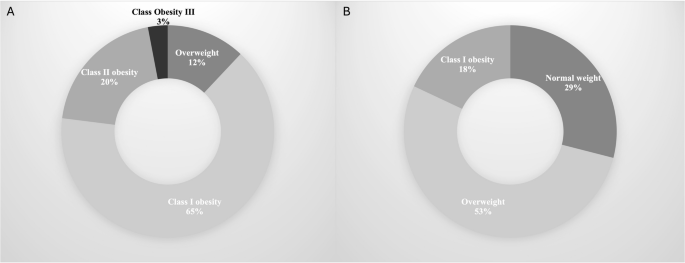
Besides the weight loss itself, the study reported a significant reduction in waist circumference [1]. Most patients moved into lower body mass index (BMI) categories, with the majority reaching overweight or normal-weight status by the end of the 24-week period [1]. Side effects were limited to gastrointestinal issues — constipation, diarrhea, and nausea — that were generally mild, and no patients stopped treatment because of them [1].
The study excluded people with type 1 diabetes, along with those who were pregnant, breastfeeding, had severe organ dysfunction, or had class IV heart failure, among other criteria [1]. It did not include a comparison group that received a placebo or a different treatment, and all patients knew they were taking tirzepatide, since this was a real-world observational cohort rather than a randomized trial [1].
The findings echo, and appear stronger than, results from an earlier retrospective study out of Germany. That study, published in Obesity Research & Clinical Practice, followed 21 post-bariatric patients without type 2 diabetes who had insufficient weight loss or weight regain after sleeve gastrectomy or gastric bypass [2]. After six months on tirzepatide, those patients lost a mean of 12.0 percent of total body weight, with 76.5 percent losing at least 10 percent and 23.5 percent losing at least 15 percent [2]. That study also found reductions in BMI, waist circumference, body fat percentage, and HbA1c, along with a decline in basal metabolism proportional to the weight lost [2].
Both studies note that weight regain after bariatric surgery is common. Prior research cited in the newer study found that 20 to 25 percent of patients experience significant weight gain within two to five years of surgery, and roughly 25 percent regain weight within 24 months after endoscopic sleeve gastroplasty [1]. Older GLP-1 drugs have shown more modest results in this setting — liraglutide has been reported to provide an additional 5 to 10 percent weight loss for people who regained weight after bariatric surgery [1].
Why it matters for patients
Weight regain after bariatric surgery is a recognized long-term problem, and current options have included lifestyle changes, nutritional counseling, psychological support, other weight-loss medications, or repeat surgery [1]. This study adds early evidence that tirzepatide may offer a nonsurgical option for people in this situation, with a magnitude of weight loss that appears larger than what has been reported with liraglutide [1]. However, patients should understand that this was a small, uncontrolled study of just 34 people without a comparison group, so the true effect size compared to no treatment, and how it holds up over a longer period, is not yet known [1]. The study also excluded people with diabetes, so it is not known whether these results would apply to that group [1]. Cost may also be a factor: the study noted that in the country where the research was conducted, obesity medications are not covered by insurance [1].
What happens next
The study authors describe these findings as preliminary evidence supporting a potential role for tirzepatide in managing weight regain after bariatric procedures, suggesting more research is needed before firm conclusions can be drawn [1]. No specific dates for larger or controlled follow-up trials are mentioned in the available sources.
Images from the sources
Sources
Semaglutides.org is for information only and is not medical advice. Always talk to a licensed healthcare provider about your own care. Some links to telehealth services are affiliate links, labeled where they appear.