Cleveland Clinic publishes guidance advising against microdosing GLP-1s
Cleveland Clinic published consumer guidance on July 31, 2026 warning against microdosing GLP-1 medications, citing dosing-error risks and a lack of evidence that it works.
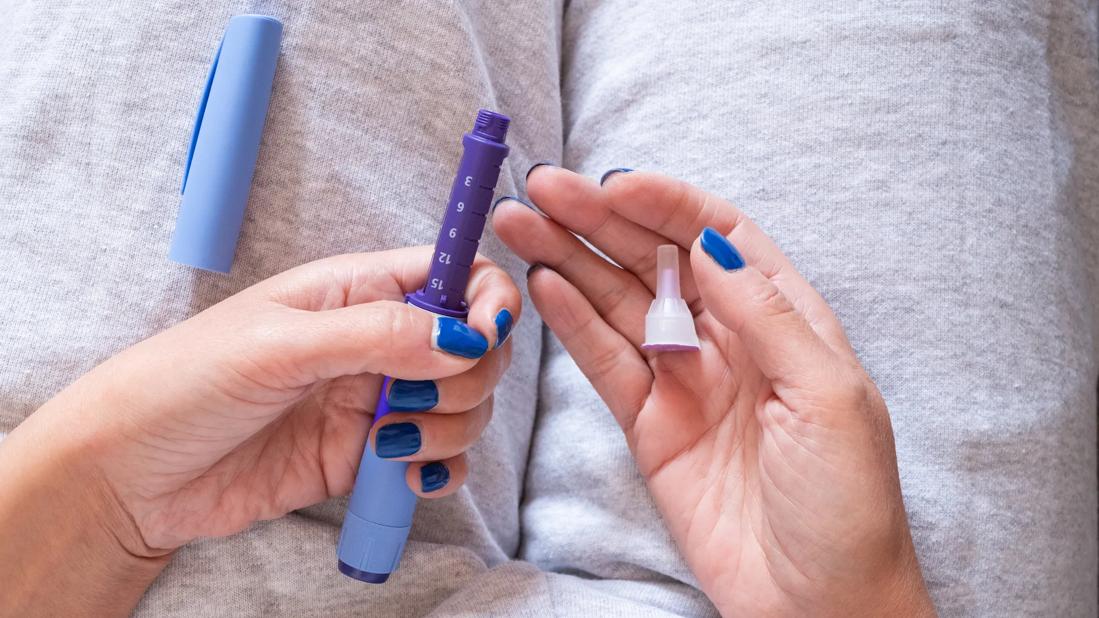
Cleveland Clinic posted new consumer guidance on July 31, 2026 telling patients not to microdose GLP-1 medications such as semaglutide (Ozempic, Wegovy) and tirzepatide (Mounjaro, Zepbound) [1]. The guidance, based on comments from obesity medicine subspecialist Dr. W. Scott Butsch, says there is no official or standard protocol for microdosing and that the practice is not endorsed by the American Diabetes Association [1].
Microdosing means intentionally taking less than a prescribed dose — for example, using only part of a 15-milligram Mounjaro dose [1]. Cleveland Clinic says the trend began during obesity-drug shortages after the 2021 and 2022 FDA approvals of these medications, and has since shifted toward microdosing compounded versions [1]. Compounded drugs are prepared by pharmacists when an FDA-approved product cannot meet a patient's needs, but they are not reviewed by the FDA for safety, effectiveness or quality before reaching patients [1].
Dr. Butsch warns that taking a reduced dose can cause the drug to clear the body faster than intended, which can bring back side effects like nausea and diarrhea each time a dose is taken because the medication level in the body isn't steady [1]. He also flags accidental overdosing as a risk, since compounded products are not all concentrated the same way and are not FDA-monitored, so even a small intended dose can end up delivering far more medication than planned [1].
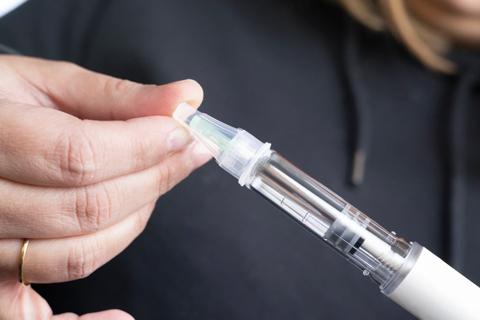
That risk is not theoretical. The FDA has separately alerted providers, compounders and patients about dosing errors tied to compounded injectable semaglutide, warning that some patients have administered five to 20 times their intended dose [2]. In one case, a provider meant to prescribe 0.25 milligrams, equal to 5 units, but instead prescribed 25 units — five times the intended amount [2]. In another, a provider prescribed 20 units instead of 2 units, a 10-fold error that affected three patients who then experienced nausea and vomiting [2]. The FDA says confusion often stems from converting between milligrams, milliliters and "units," along with unfamiliarity with self-injection and inconsistent concentrations across compounders [2]. Reported adverse events tied to these errors include severe vomiting, dehydration, acute pancreatitis and gallstones, with some patients hospitalized [2].
Cleveland Clinic also points to a financial motive behind microdosing: most insurance doesn't cover GLP-1 drugs, and even with manufacturer direct-to-consumer programs, prices have settled around $500 a month, so some patients try to stretch supply [1]. Others worry about regaining weight after stopping the medication, based on research showing many patients regain weight once they discontinue GLP-1 treatment, and think a smaller ongoing dose might prevent that [1].
Why it matters for patients
For people using compounded GLP-1 products, or considering microdosing to save money, the guidance and the FDA alert both point to the same underlying problem: without standardized concentrations, clear unit-to-milligram conversions and proper syringe sizing, even a well-intentioned attempt to lower a dose can result in taking many times more medication than planned [1] [2]. Cleveland Clinic frames dose adjustments as something that should happen within a documented prescription plan with a clinician, not as a self-directed practice [1]. The FDA's data shows the practical stakes: reported overdoses have required hospitalization and have included pancreatitis and gallstones [2].
What happens next
Cleveland Clinic's guidance does not include a timeline for further review, and it stops short of citing any planned regulatory action tied to compounded GLP-1 dosing beyond the FDA's existing alert [1] [2]. The FDA alert continues to direct providers, compounders and patients to report adverse events and medication errors through its MedWatch program [2]. Neither source in this reporting specifies a date for updated federal guidance or enforcement on compounded semaglutide microdosing.
Images from the sources
Sources
Semaglutides.org is for information only and is not medical advice. Always talk to a licensed healthcare provider about your own care. Some links to telehealth services are affiliate links, labeled where they appear.