Expert consensus sets meal-pattern targets for GLP-based therapy
An international panel of endocrinologists released detailed meal-pattern guidance for people on GLP-1 and dual GIP/GLP-1 drugs, covering protein, fluids, fiber, and meal timing to help prevent muscle and nutrient loss.[1]
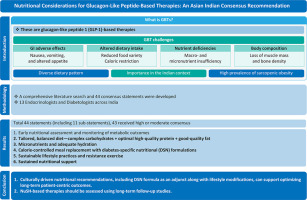
A group of 13 endocrinologists and diabetologists has published a consensus on how people taking GLP-1 receptor agonists and dual GIP/GLP-1 receptor agonists should structure their eating patterns while on these drugs.[1] The document, developed using a modified Delphi method and published in the journal Obesity Pillars, lays out specific numeric targets for protein, fluids, fiber, and meal frequency meant to reduce the nutritional side effects tied to appetite-suppressing medications.[1]
The panel recommends protein intake starting at 20 to 30 percent of daily energy, progressing to 1.2 to 1.5 grams per kilogram of body weight per day or higher.[1] It also calls for more than 2 liters of fluid daily, and 20 to 30 grams of fiber a day from a mix of soluble and insoluble sources, introduced gradually rather than all at once.[1] Instead of three large meals, the group recommends 4 to 5 small eating occasions spread through the day, eating slowly, and avoiding large meals in the evening.[1]
The consensus grew out of 44 statements, including 11 sub-statements, of which 43 reached high or moderate agreement among the panel.[1] The authors describe these drugs collectively as "GLP-based therapies," or GBTs, and note that the gastrointestinal side effects and appetite changes they cause can lead to nutritional deficiencies and loss of muscle mass and bone density if eating patterns are not adjusted.[1] The panel was convened with a specific focus on Asian Indian patients, citing their particular dietary patterns and a high prevalence of sarcopenia, or age-related muscle loss, in that population.[1]
Beyond meal structure, the panel also endorsed calorie-controlled meal replacements, including diabetes-specific nutritional formulations, paired with resistance exercise to support long-term metabolic health.[1] The group further recommended that nutritional support continue after a patient stops taking a GBT, saying this may help prevent what it called "metabolic rebound."[1]
Why it matters for patients
These medications, which include semaglutide (sold as Ozempic, Wegovy, and Rybelsus) and tirzepatide (sold as Mounjaro and Zepbound), work partly by reducing appetite and slowing digestion. That effect is central to why they cause weight loss, but it also means patients often eat much less overall, which can make it harder to get enough protein, fiber, and fluids without deliberate planning. The consensus gives specific numbers that patients and their clinicians could use as a starting point for conversations about diet while on these drugs.[1]
The recommendations were developed by a panel focused on Asian Indian patients and their dietary patterns, so it is not yet known how directly these targets apply to other populations, including patients in the United States, who may eat differently and have different baseline nutrition status.[1] The consensus itself calls for further study, noting that the effectiveness and safety of GBTs, along with newer nutrient-stimulating hormone therapies, should be evaluated in long-term follow-up research.[1]
What happens next
The consensus statement was published in the September 2026 issue of Obesity Pillars, a journal of the Obesity Medicine Association.[1] The authors call for continued study of nutritional strategies during and after GBT use, and for longer-term data on how these eating patterns affect outcomes for patients on GLP-1 and dual-agonist therapies.[1] No timeline for follow-up studies or for adapting these targets to other patient populations is given in the consensus document.[1]
Sources
Semaglutides.org is for information only and is not medical advice. Always talk to a licensed healthcare provider about your own care. Some links to telehealth services are affiliate links, labeled where they appear.