Gallup: 11% of US adults now take a GLP-1 for weight loss
A Gallup survey puts current US GLP-1 use for weight loss at 11%, up from 3% in 2024, with obesity down to 36.8% from a 2022 peak of 39.9%.
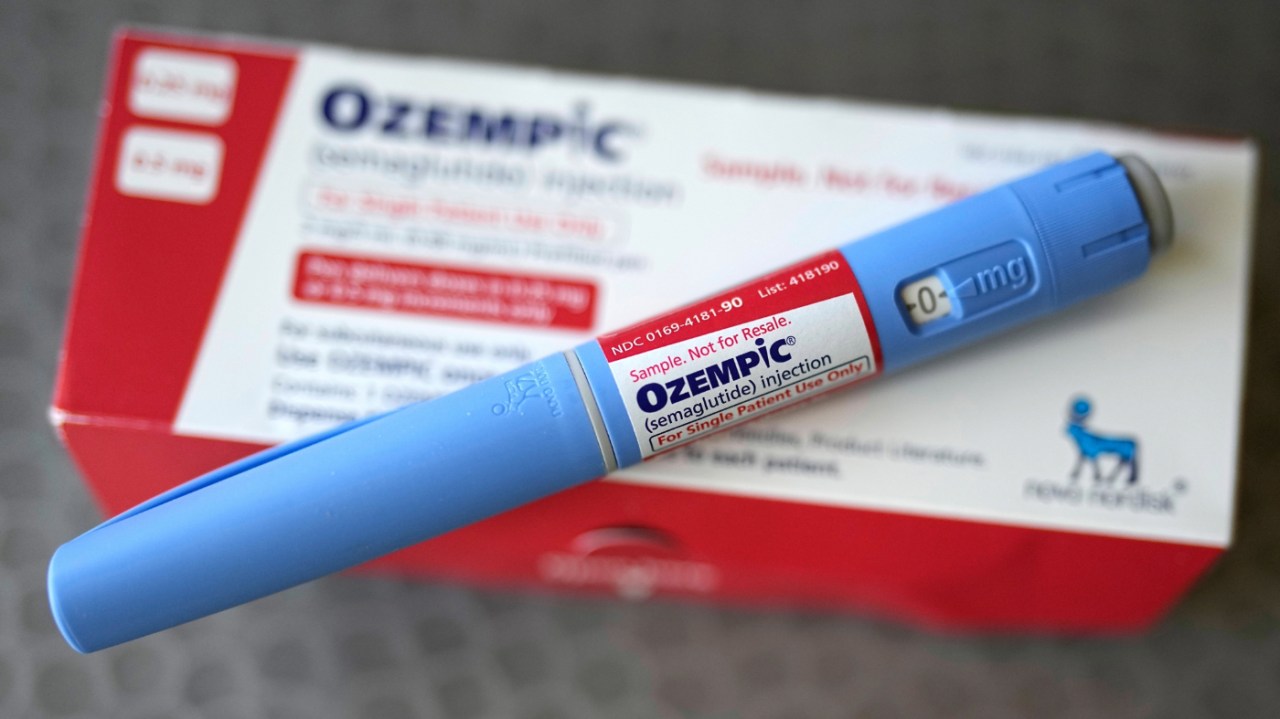
About 11% of US adults say they are currently taking a GLP-1 medication for weight loss, and 15% say they have used one at some point, according to a Gallup survey released July 7, 2026 [1][3]. Current use was 3% in 2024, and ever-use rose nine percentage points over the same period [1][3].
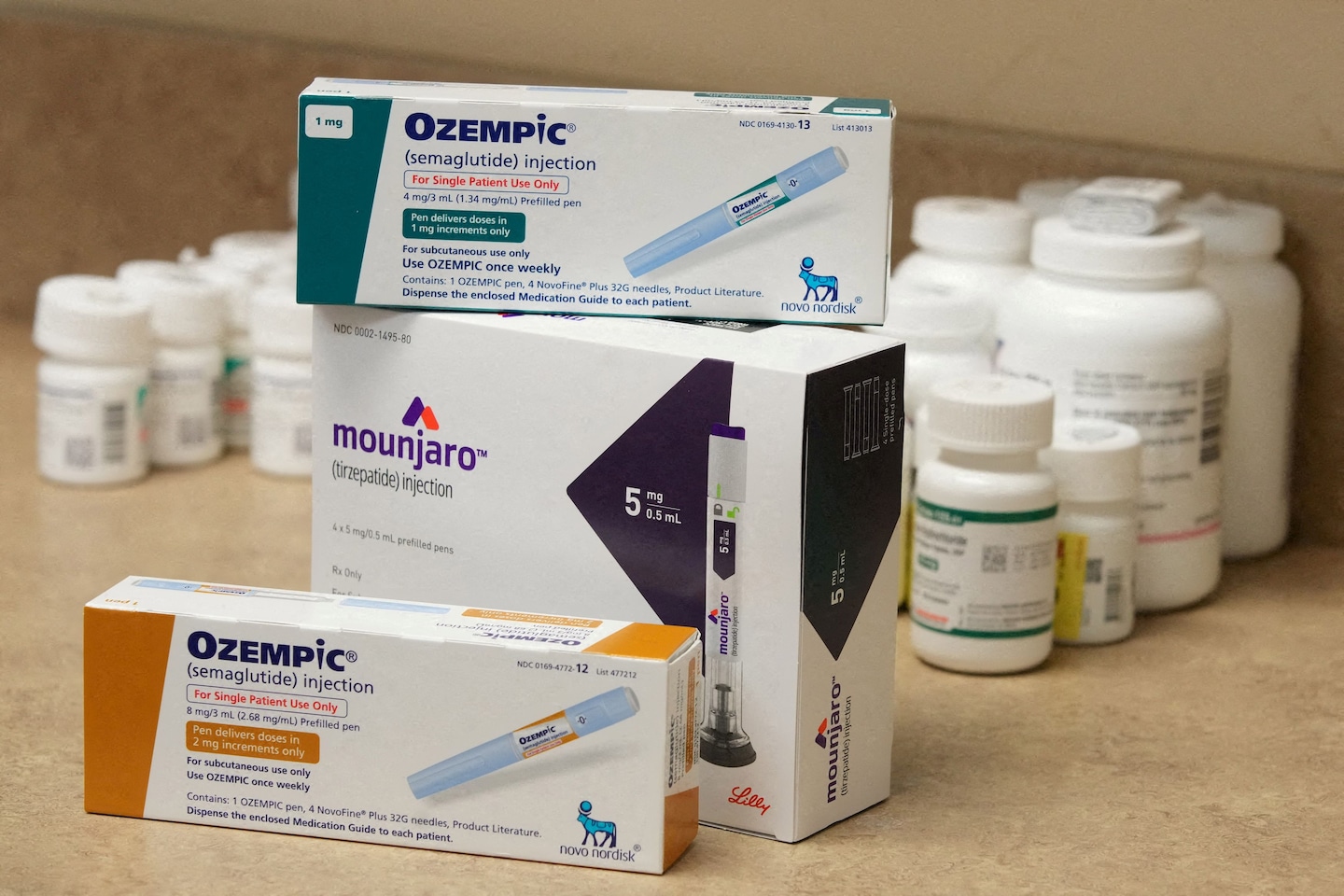
The findings come from the Gallup National Health and Well-Being Index, based on a web survey of 5,065 US adults conducted May 28 through June 5, 2026, using Gallup's probability-based panel across all 50 states and Washington, DC [1][2]. The margin of sampling error for the full sample is ±1.5 percentage points [1]. Gallup asked whether respondents had ever taken weight-loss medications "such as semaglutide (brand names Ozempic and Wegovy), liraglutide (brand name Saxenda) or tirzepatide (brand names Mounjaro and Zepbound)," then asked current users the same question in the present tense [1].
Awareness has also climbed. Ninety percent of Americans now say they know about GLP-1 drugs intended for weight loss, up from 80% in 2024 [1]. The FDA approved Wegovy for weight loss in 2021 and Zepbound in November 2023 [1].
Obesity and diabetes trends
Gallup's measured adult obesity rate is 36.8% so far in 2026, down from a record 39.9% in 2022 — a decline Gallup calls statistically meaningful and says continues to track inversely with rising GLP-1 use [1]. The obesity and diabetes figures come from two quarters of data collection in early 2026, totaling 10,091 respondents [1].
One caveat matters: Gallup calculates BMI from self-reported height and weight, and notes a "vanity effect" that makes its obesity estimates typically lower than studies using measured height and weight [1]. Because the method has stayed consistent, Gallup argues the trend line is still useful even if the level is off [1].
Diabetes diagnoses, which include both Type 1 and Type 2, sit at 12.8% in 2026 — the first time under 13% since 2022 — after roughly a decade of slow increases [1]. Gallup cautions that a falling obesity rate would be expected to stabilize, not rapidly reduce, diabetes prevalence, since diabetes can be managed but not cured [1].
Sources differ slightly on the obesity number. Gallup's page lists 36.8% and carries an editor's note saying the story was originally published July 7, 2026, and updated Sept. 8, 2026, to reflect revised estimates after a change in weighting criteria [1]. The Hill, reporting on the original release, cited 36.4% [3].
Brand-name versus compounded
Among current users, 66% reported taking a brand-name GLP-1 such as Ozempic or Wegovy, 18% a compounded or custom-mixed version, and 13% were unsure which they were using [1]. The Hill reported the compounded share as 19% from the original release [3]. Gallup notes the margin of error for the compounded group runs as high as ±10 percentage points, so those subgroup figures are imprecise [1].
Both groups rated the drugs favorably: 80% of compounded users and 74% of brand-name users called their medicine "effective" or "extremely effective," with 38% of compounded users and 33% of brand users choosing "extremely effective" [1]. Movement between the two runs mostly in one direction — 36% of current compounded users had switched from a brand name, versus 11% who switched the other way [1]. Among people who moved to compounded products, 53% cited cost or insurance coverage as the main reason, compared with 38% of those who moved to brand names [1].
Why it matters for patients
The survey describes a market where price, not preference, appears to be steering a meaningful share of users. The Hill reported that cost remains a concern for people with commercial insurance because many plans still do not cover GLP-1s for weight loss, though competition and international pricing pressure have lowered out-of-pocket costs, and certain Medicare beneficiaries can get GLP-1s for $50 under a temporary federal Bridge program [3].
Compounded products are not FDA-approved, and The Hill noted the agency ordered compounding of non-branded GLP-1s to stop last year — yet roughly one in five current users still reported using them [3]. Gallup's data also show 13% of users do not know which type they are taking [1].
These are self-reported survey numbers, not prescription records or clinical measurements. How much of the obesity decline is caused by GLP-1s, versus other factors, is not established in these sources; The Hill notes researchers say other factors are likely involved [3].
Images from the sources
Sources
Semaglutides.org is for information only and is not medical advice. Always talk to a licensed healthcare provider about your own care. Some links to telehealth services are affiliate links, labeled where they appear.