Meta-analysis finds no clear rise in birth defects after GLP-1 exposure
Two 2026 meta-analyses covering more than 40,000 GLP-1-exposed pregnancies found no clear increase in major birth defects, but the authors say the evidence is low-certainty and not proof of safety.
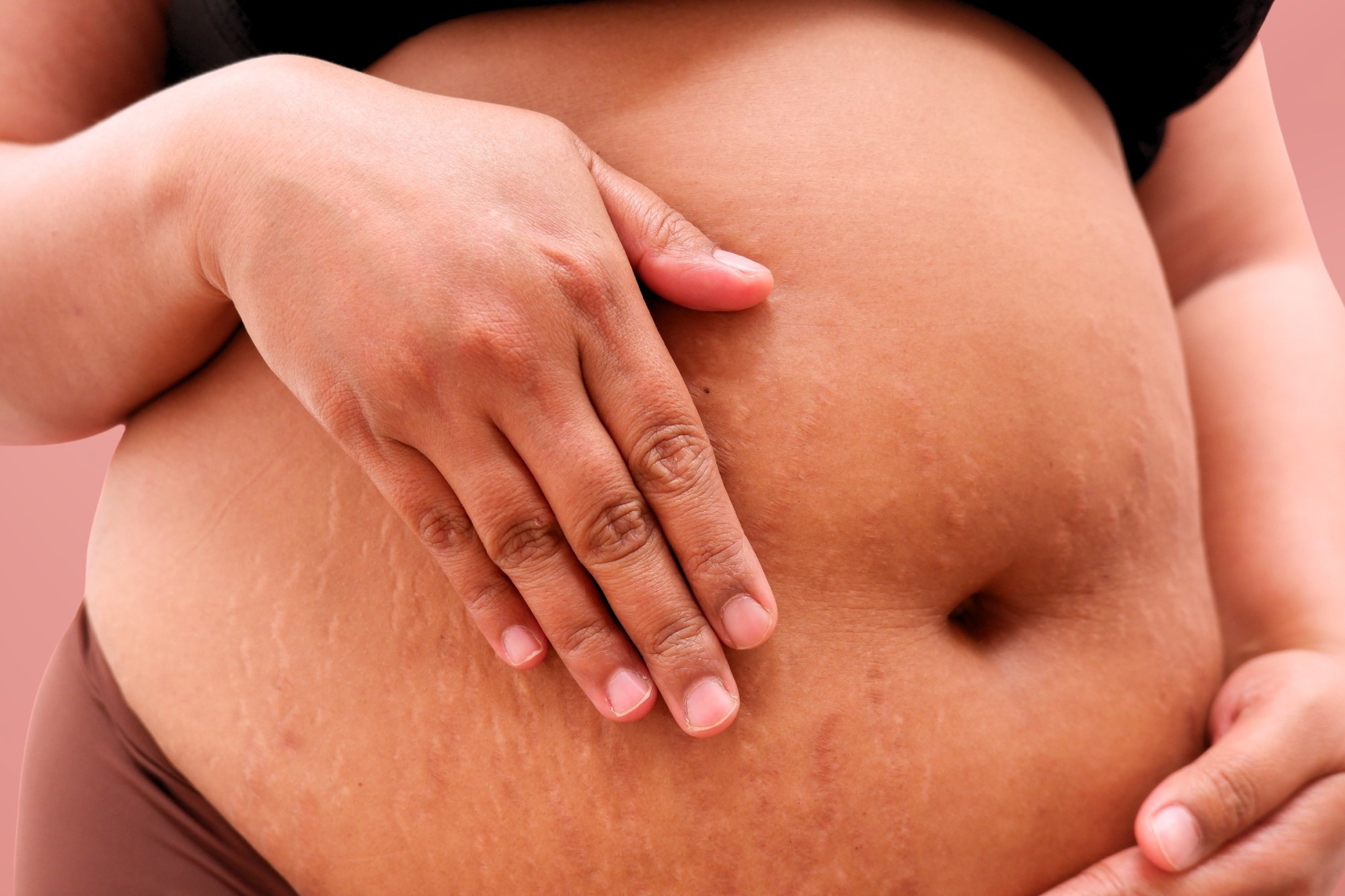
A systematic review and meta-analysis published in Scientific Reports found that maternal exposure to GLP-1 receptor agonists around conception or during pregnancy was not clearly linked to major congenital malformations [1]. A separate meta-analysis published in Endocrine Connections reached a similar conclusion, reporting a relative risk of 1.02 for major malformations after periconceptional exposure [2].
The Scientific Reports team searched PubMed, MEDLINE, Embase, Web of Science and Reprotox from database inception through January 2026 and pooled seven cohort studies covering more than 40,000 exposed pregnancies [1]. Two studies looked at any exposure during pregnancy; the other five focused on the first trimester [1]. Semaglutide (sold as Ozempic, Wegovy and Rybelsus) and liraglutide were the most commonly reported drugs, followed by exenatide and dulaglutide. Tirzepatide (Mounjaro, Zepbound) appeared in only one study, and the researchers could not analyze individual drugs separately [1].
What the numbers showed
For any congenital malformation, the pooled analysis of seven studies included 42,282 exposed pregnancies and 723,892 comparison pregnancies, yielding an odds ratio of 1.11 with a 95% confidence interval of 0.82 to 1.51 — not statistically significant [1]. Five studies of first-trimester exposure and major malformations (825 exposed, 592,714 comparators) produced an odds ratio of 1.39 (95% CI 0.73–2.65), also not significant [1]. A sensitivity analysis limited to four studies with adjusted estimates gave a similar result, 1.40 (95% CI 0.63–3.12) [1].
Other outcomes were largely unremarkable: cardiac malformations, odds ratio 0.92 (0.67–1.27); spontaneous abortion, 0.95 (0.42–2.16); small-for-gestational-age births, 0.84 (0.43–1.64); and preterm birth, 1.17 (0.79–1.72), though with substantial variation between studies [1].
Two findings were less reassuring. Two studies found a statistically significant association with urinary tract malformations (odds ratio 1.24, 95% CI 1.05–1.47), but those estimates were unadjusted, driven largely by one big cohort, and neither study described which specific malformations occurred [1]. The authors said this could reflect confounding by maternal diabetes or obesity rather than a drug effect [1]. Stillbirth, based on only three small studies (366 exposed, 873 comparators), showed an odds ratio of 2.17 with a wide interval of 0.95 to 4.91 — not statistically significant, but wide enough that a real increase could not be ruled out [1].
The second meta-analysis, from researchers at Peking University Third Hospital, searched through December 2025 and pooled six studies (one prospective, five retrospective) covering 286,599 women — 43,577 exposed and 243,022 unexposed [2]. It found no significant difference in major congenital malformations (RR 1.02, 95% CI 0.96–1.08), preterm birth (1.09, 0.80–1.49), large-for-gestational-age (2.31, 0.56–9.44), small-for-gestational-age (0.71, 0.39–1.27) or stillbirth (1.16, 0.24–5.69) [2].
Why it matters for patients
GLP-1 drugs are widely prescribed to women of reproductive age, and weight loss and better metabolic control can restore ovulation, which raises the chance of an unplanned pregnancy in someone taking these medicines [1]. Until now, human safety data has been thin enough that clinicians had trouble giving clear answers [1].
These analyses offer what the Scientific Reports authors called "cautious, low-certainty reassurance" for someone who was taking a GLP-1 and then learned she was pregnant, particularly in early pregnancy [1]. That is different from saying the drugs are safe to use throughout pregnancy, which the authors explicitly did not conclude [1]. The Endocrine Connections authors likewise wrote that their findings "should not be interpreted as proof of safety" given the observational designs and limited number of exposed pregnancies [2].
Important caveats remain. Both teams rated evidence quality as a limitation; the Scientific Reports review graded overall certainty as low or very low because of study limitations and imprecise estimates [1]. Comparator groups and exposure definitions varied across studies, and prescription records did not always confirm the medicine was actually taken [1]. Animal studies have shown embryonic growth restriction and skeletal malformations with gestational exposure, and all GLP-1 receptor agonists are currently contraindicated during pregnancy, with discontinuation recommended before planned conception [2].
What happens next
Both research groups called for larger prospective cohorts with standardized exposure definitions, detailed outcome classification and full adjustment for confounders such as diabetes and obesity [1][2]. Whether any regulator will revise pregnancy labeling based on this evidence is not addressed in either source. Drug-specific safety data — including for tirzepatide and newer agents such as orforglipron (Foundayo) — is not yet available from these analyses [1].
Sources
Semaglutides.org is for information only and is not medical advice. Always talk to a licensed healthcare provider about your own care. Some links to telehealth services are affiliate links, labeled where they appear.