Rebel Wilson becomes Noom's chief wellness officer
Noom named actor Rebel Wilson its chief wellness officer to run a campaign arguing GLP-1 drugs work best paired with habit-change coaching, showing weight-loss brands are now selling alongside the medications rather than against them.
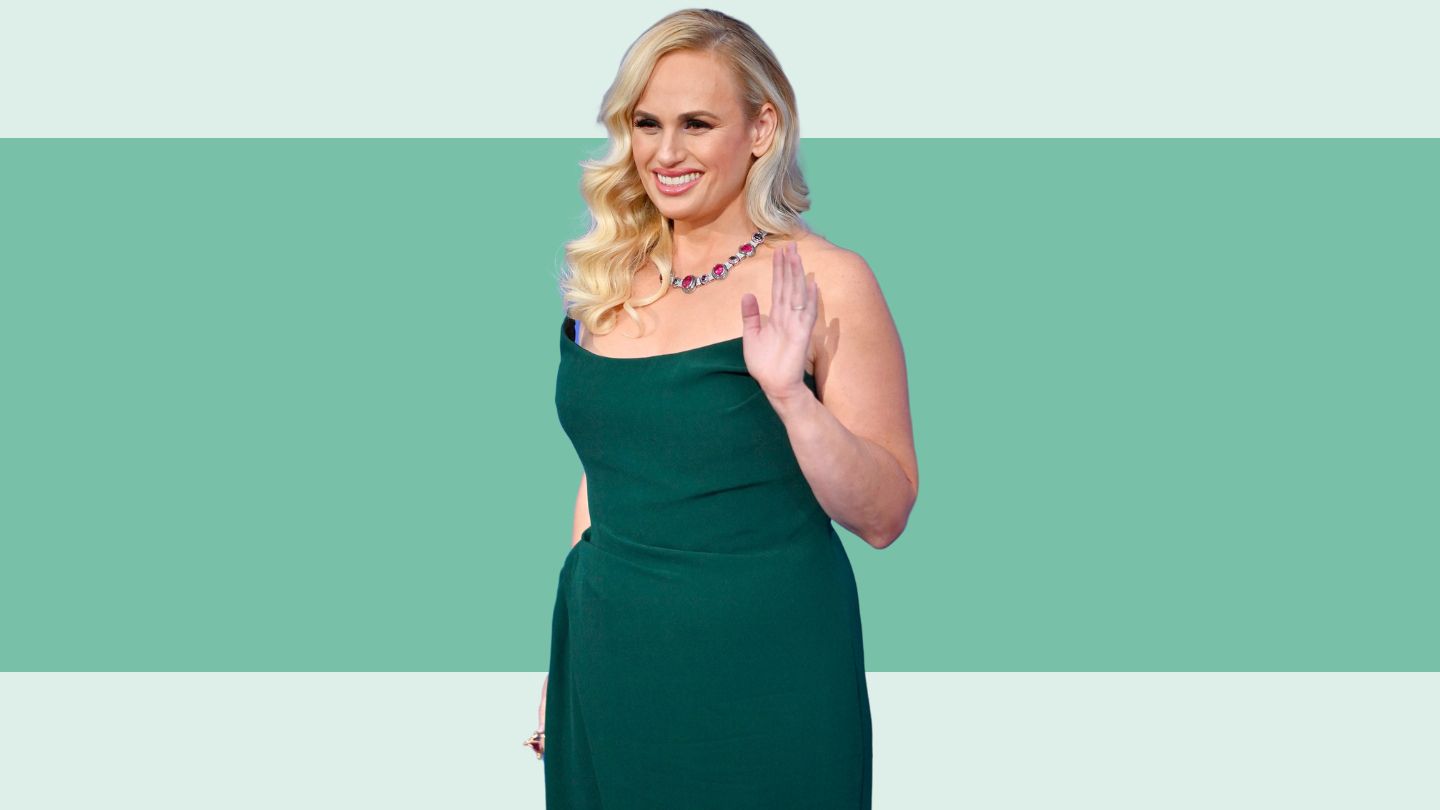
Noom, the subscription weight-loss and habit-coaching company, has named actor Rebel Wilson as its chief wellness officer, putting her in charge of a new campaign that argues GLP-1 medications and behavior-based coaching work better together than either does alone [9]. The move is one of the clearest signs yet that companies built around diet and lifestyle programs have stopped positioning themselves as an alternative to drugs like Ozempic and Zepbound and started marketing themselves as a companion to them.
Wilson has her own history with these medications. She told her story of losing 77 pounds during what she called her "year of health" in 2020, then later said she used Ozempic for a period to help maintain that loss [8]. In the Noom announcement, she framed the harder challenge as staying at a lower weight rather than losing it in the first place. "Everyone assumes losing the weight is the hard part," she said in the company's press release. "Two kids and five years later, I can tell you staying there is the real test, and the one most people don't talk about. The habits I built with Noom are just part of my life now. That's the thing nobody tells you: When they actually stick, it stops feeling like a battle." [9]
Wilson isn't the only celebrity now attached to a company built around GLP-1 use. Serena Williams, who said she lost 31 pounds on Zepbound after the birth of her second child, is a paid ambassador for the telehealth provider Ro and has said publicly that taking the drug "isn't a shortcut, it's healthcare" [6][7]. Chrissy Metz, who described trying GLP-1s during perimenopause after years of skepticism, is also a Ro brand ambassador [1]. Shaquline O'Neal has partnered with Eli Lilly, the maker of Zepbound, after starting the drug for sleep apnea [2]. Noom's move follows that same pattern of companies pairing a recognizable face with a message about how the drugs fit into a broader plan.
Why it matters for patients
For people already on or considering a GLP-1 medication, this shift means more companies are now selling coaching, apps, and support programs specifically built to run alongside prescriptions rather than compete with them. That can mean more options for structured support, but it also means more marketing aimed at people who are already paying for a medication that can cost hundreds of dollars a month out of pocket. Wilson's comments echo what other celebrities on these drugs have said about maintenance being an ongoing effort rather than a one-time fix. Oprah Winfrey, for instance, said she regained about 20 pounds after stopping her medication to test whether she could keep weight off without it, and concluded she needed to stay on it long-term, comparing it to blood pressure medication [5]. That kind of account suggests that for some patients, the question isn't just what happens while taking a GLP-1, but what a support plan looks like if the medication is paused, adjusted, or continued indefinitely.
The sources reviewed do not include details on what Noom's coaching costs, how its program integrates with a person's prescribing doctor, or clinical evidence on whether combining GLP-1 use with habit coaching produces different long-term results than medication alone. Those specifics are not yet known from the material available.
What happens next
The sources do not give a specific date for when Noom's campaign featuring Wilson will launch content or expand, so further details on the rollout are not yet known.
Sources
Semaglutides.org is for information only and is not medical advice. Always talk to a licensed healthcare provider about your own care. Some links to telehealth services are affiliate links, labeled where they appear.