SURMOUNT-OSA post hoc: biggest daytime-function gains in people who felt worst at baseline
A new post hoc analysis of the SURMOUNT-OSA trial finds tirzepatide improved daytime fatigue, sleepiness, snoring and sleep quality more than placebo, with the biggest gains in people who felt worst before starting treatment.
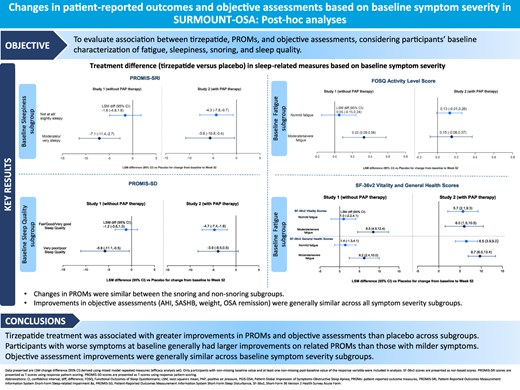
Researchers publishing in the journal Sleep sorted participants from the SURMOUNT-OSA trial into groups based on how they rated their own fatigue, daytime sleepiness, snoring and sleep quality before starting the study drug [1]. Across nearly every subgroup, people taking tirzepatide reported greater improvement than those on placebo [1]. The analysis found numerically larger gains in vitality, a measure of energy and reduced fatigue, among participants who said they felt the most tired at the start of the trial [1].
SURMOUNT-OSA tested tirzepatide, the active ingredient in Zepbound and Mounjaro, in adults with obesity and moderate-to-severe obstructive sleep apnea. This new report is a post hoc analysis, meaning researchers looked back at the original trial data and split participants into groups after the fact based on how severe their symptoms were when the study began [1]. That approach can reveal patterns worth studying further, but it does not carry the same weight as a trial designed from the outset to test those specific comparisons [1].
The published material available does not spell out exact percentage improvements or point differences for each subgroup [1]. What is described is a consistent direction of effect: no matter how bad a person's fatigue, sleepiness, snoring or sleep quality was before treatment, those on tirzepatide tended to report more improvement than those on placebo, and the effect looked strongest for vitality among people who started out most fatigued [1].
Why it matters for patients
Obstructive sleep apnea does more than disrupt sleep. People with the condition often report daytime fatigue, low energy and poor concentration that affects work, driving and daily life. This analysis suggests that tirzepatide's benefit on those day-to-day symptoms was not limited to people with mild complaints going in. Instead, the people who reported feeling the worst before treatment showed some of the larger reported gains in energy and vitality [1].
For someone weighing treatment options, this is a piece of evidence about who might notice a difference in how they feel day to day, separate from measures like sleep study results or weight change. But because this is a post hoc analysis, not a study built from the start to test these subgroup differences, the findings are considered hypothesis-generating rather than definitive [1]. That distinction matters because subgroup comparisons made after a trial ends can be influenced by chance, especially when groups are small.
The source material reviewed here does not include the original SURMOUNT-OSA trial's primary results, side effect data, or cost and insurance coverage information, so those questions remain outside the scope of what this analysis addresses [1]. It also does not specify exact sample sizes for each subgroup or state whether the differences reached statistical significance in every comparison, information that would normally accompany full trial reporting [1].
What happens next
The analysis has been published in Sleep as an advance article [1]. Further peer review, commentary from sleep medicine specialists, and any follow-up studies designed specifically to confirm these subgroup patterns would be needed before the findings could be considered established rather than exploratory. Readers interested in the full data, including specific statistical results and study population details, can consult the published article directly [1].
Sources
Semaglutides.org is for information only and is not medical advice. Always talk to a licensed healthcare provider about your own care. Some links to telehealth services are affiliate links, labeled where they appear.