Boston Globe documents a double bind: shamed for using a GLP-1, shamed for not
A Boston Globe feature describes people being judged for taking a GLP-1 and judged for not taking one, including a woman who says she now avoids medical care to escape the pressure.
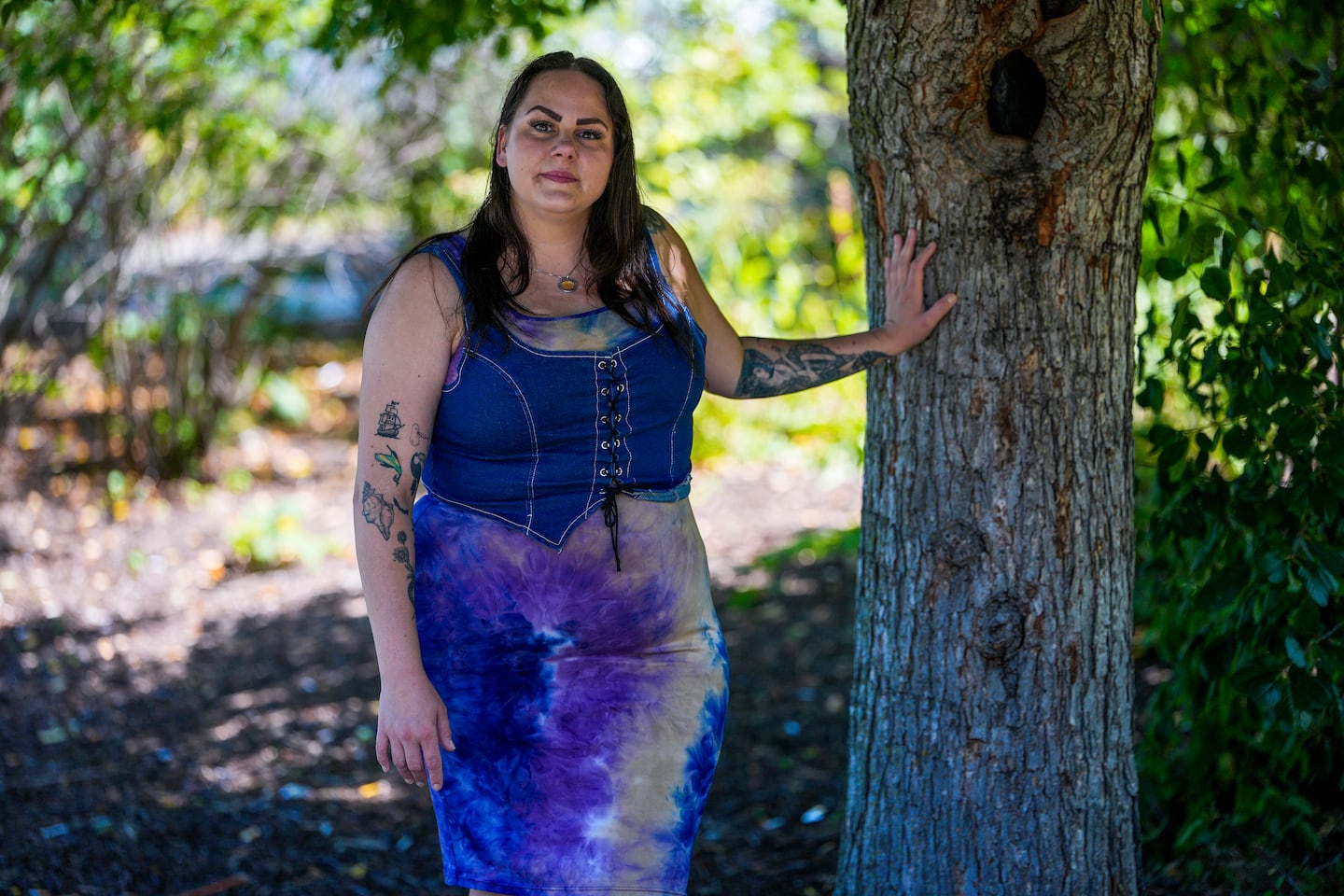
A Boston Globe feature published Aug. 31 describes a new kind of social bind around GLP-1 drugs: people say they are shamed for using medications like Ozempic and shamed for staying heavy without them [1].
The older version of the judgment was familiar, the Globe reported: use one of the new weight-loss drugs and get criticized for taking "the easy way out" or for "cheating" your way into thinness [1]. What has changed, according to the story, is that people whose bodies are considered too large and who are not using a GLP-1 are now being asked to explain themselves [1].
"We have spent years trying to remove shame from obesity treatment," Sarah Isenberg, a certified health and nutrition coach in Boston, told the paper. "We should be careful not to replace it with this strange new form of pressure" [1].
The people in the story
The reporting rests on interviews, not polling, and most of those interviewed live in the Boston area [1].
Traci Finkel, 37, an executive assistant at Boston Children's Hospital, said she has faced pressure to lose weight since childhood and compared current GLP-1 enthusiasm to 1980s diet pills: "Just do this easy thing, and you don't have to do anything else" [1]. Ashley L., 37, a bartender and server from Malden who asked that only her last initial be used, said co-workers who have taken GLP-1s ask her, "What are you waiting for — do you want to stay like that forever?" [1].
Jun Ni, a railroad project manager from West Roxbury who describes herself as "larger," told the Globe she puts off medical care because she dreads pressure from her doctor to start a GLP-1. "I've worked through shame and body-image issues, and I don't have any health issues," she said. "It feels predatory" [1].
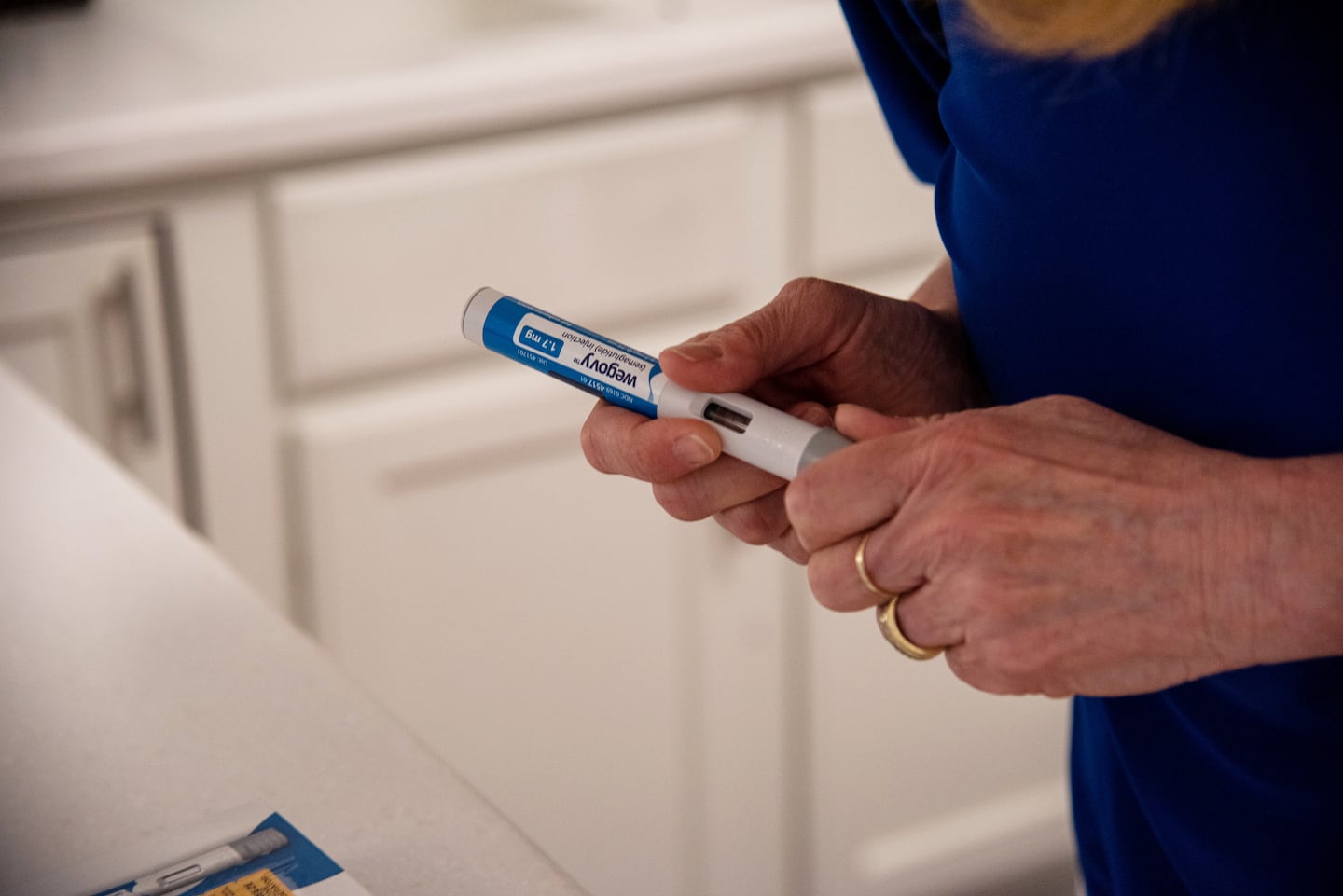
The story also lists reasons people give for declining the drugs: high cost even with insurance, the expectation of staying on treatment long term, unwillingness to risk side effects that range from short-term nausea to longer-lasting problems such as eye damage, and a wish to work on their relationship with food instead [1]. The Globe also noted that some patients with certain pre-existing conditions have been advised not to use them for safety reasons [1].
How fast the culture shifted
The Globe frames the "Ozempic era" as only a few years old. Citing a history from the Medical University of South Carolina, it reported that TikTok videos tagged #Ozempic drew about 2 million views in 2021 and 1.2 billion views in 2023 [1]. At the 2023 Oscars, host Jimmy Kimmel joked from the stage, "Everybody looks so great. When I look around this room, I can't help but wonder 'Is Ozempic right for me?'" and a cosmetic dermatologist coined the term "Ozempic face" [1].
Virgie Tovar, host of the "GLP-1 Truth Serum" podcast and an expert on weight-based discrimination, told the Globe the drugs have unleashed "peak weight stigma or fat phobia," arguing that medicalized language in drug advertising gives friends, family and strangers a sense of permission to intervene [1]. Dr. Meghan Garcia-Webb, who runs a weight-management practice in Newton, said the policing cuts both ways: "If you lose weight, people say inappropriate things to you. And if you accept yourself as you are, people ask why aren't you taking these meds?" [1].
Why it matters for patients
The most concrete consequence in the reporting is avoidance of care. One person said the prospect of a GLP-1 conversation is enough to keep her away from the doctor's office [1]. Skipped appointments mean skipped blood pressure checks, labs and screenings that have nothing to do with weight.
The story also captures how the pressure now arrives from co-workers, family and acquaintances rather than only clinicians or advertising [1]. For someone weighing whether to start, continue or stop a GLP-1, that adds a social layer on top of the practical ones the Globe lists: price, the long-term nature of treatment, and side effects [1].
What is not yet known
This is a feature built on individual interviews, so it does not measure how widespread either form of stigma is, and no survey figures accompany it [1]. Whether the pattern holds outside Greater Boston has not been reported, and no follow-up research or milestone has been announced.
Images from the sources
Sources
Semaglutides.org is for information only and is not medical advice. Always talk to a licensed healthcare provider about your own care. Some links to telehealth services are affiliate links, labeled where they appear.