China begins review of Novo Nordisk's oral Wegovy
Chinese regulators have started reviewing Novo Nordisk's weight-loss pill, a step that could open a second major market for oral GLP-1s without changing anything available to U.S. patients now.
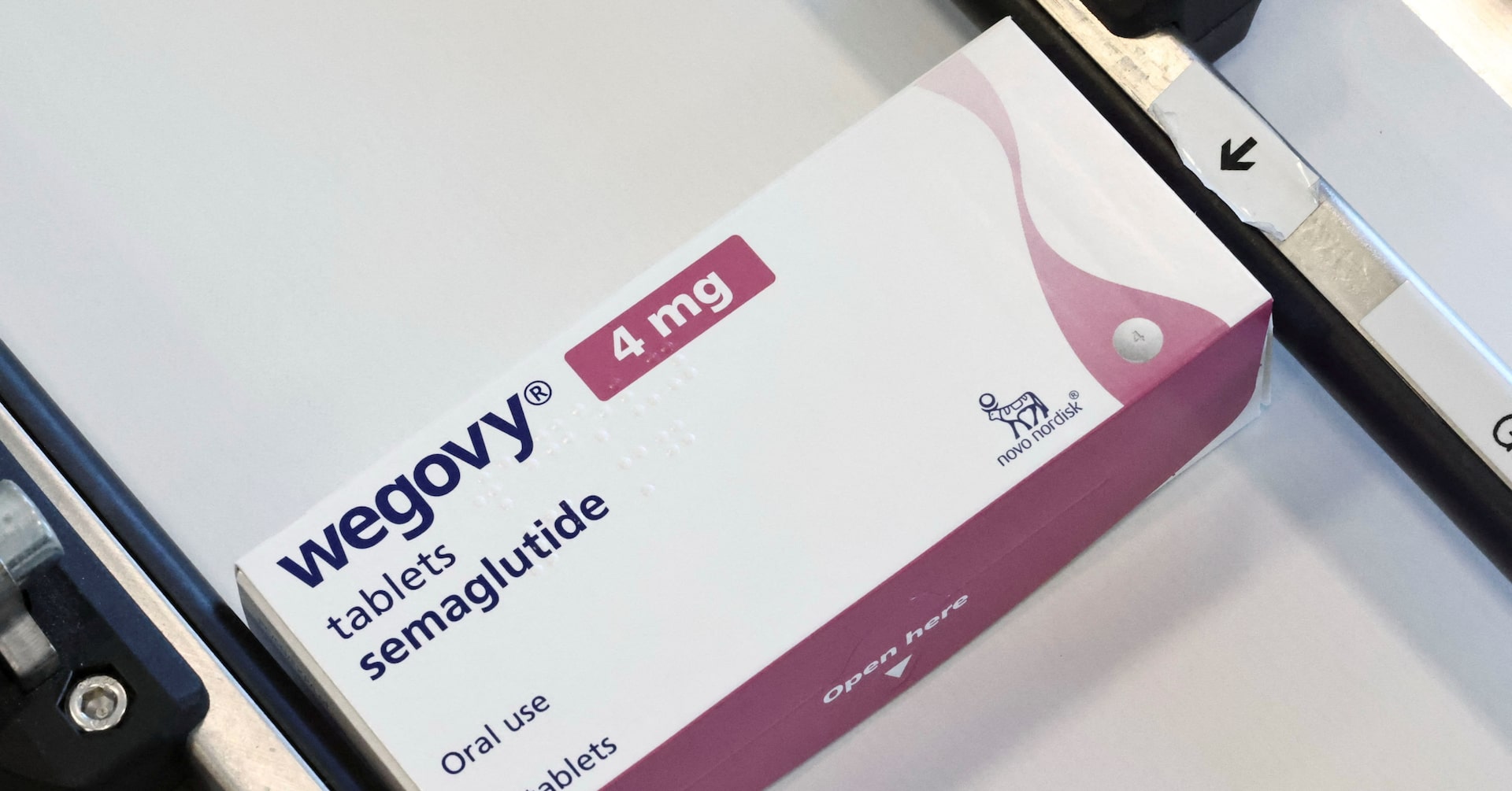
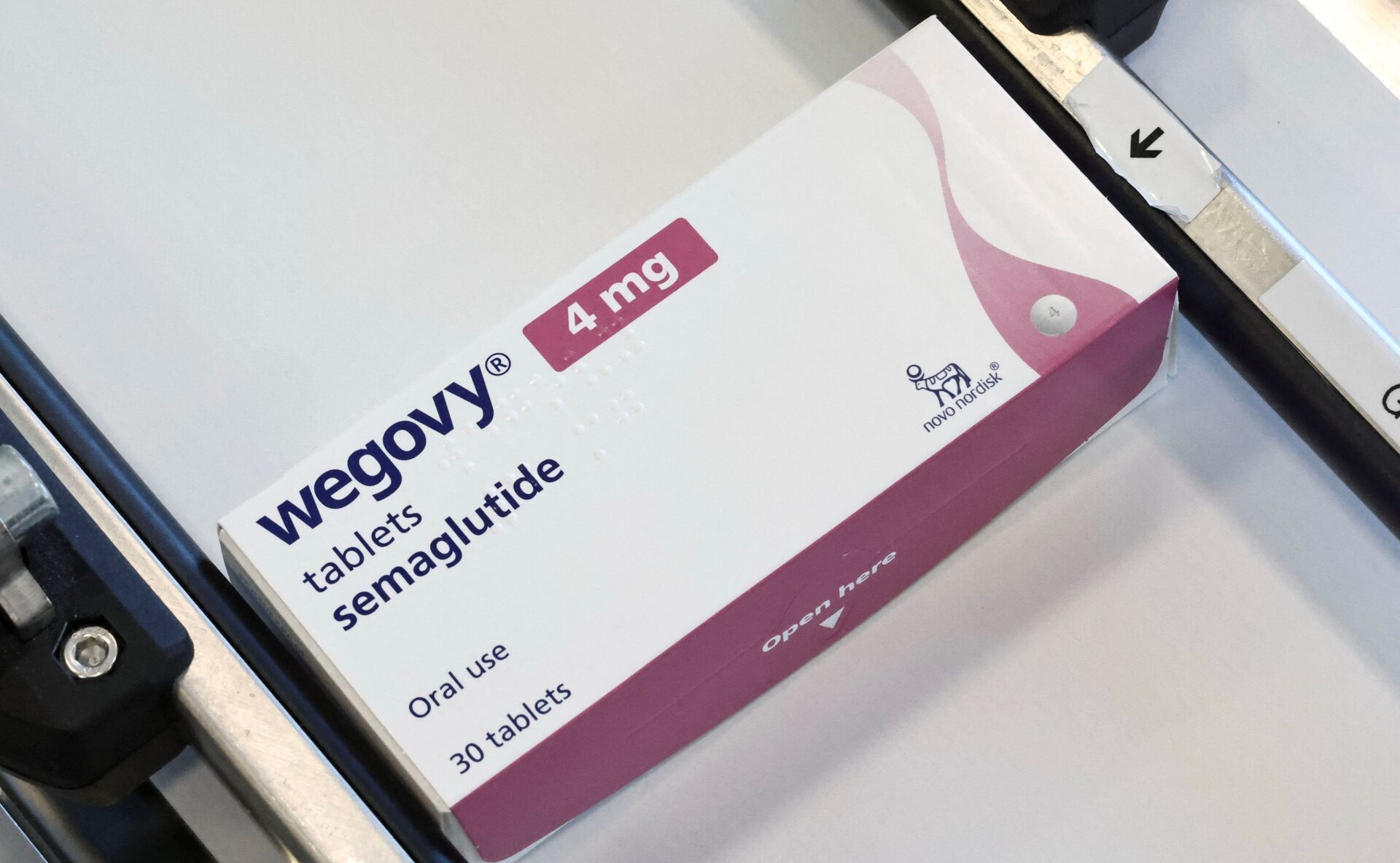
China's National Medical Products Administration has accepted Novo Nordisk's marketing application for the tablet form of Wegovy, the Danish drugmaker said Thursday, putting the product into formal review in that country [1]. An accepted filing is not a clearance to sell, and Novo has not indicated when regulators might decide [1].
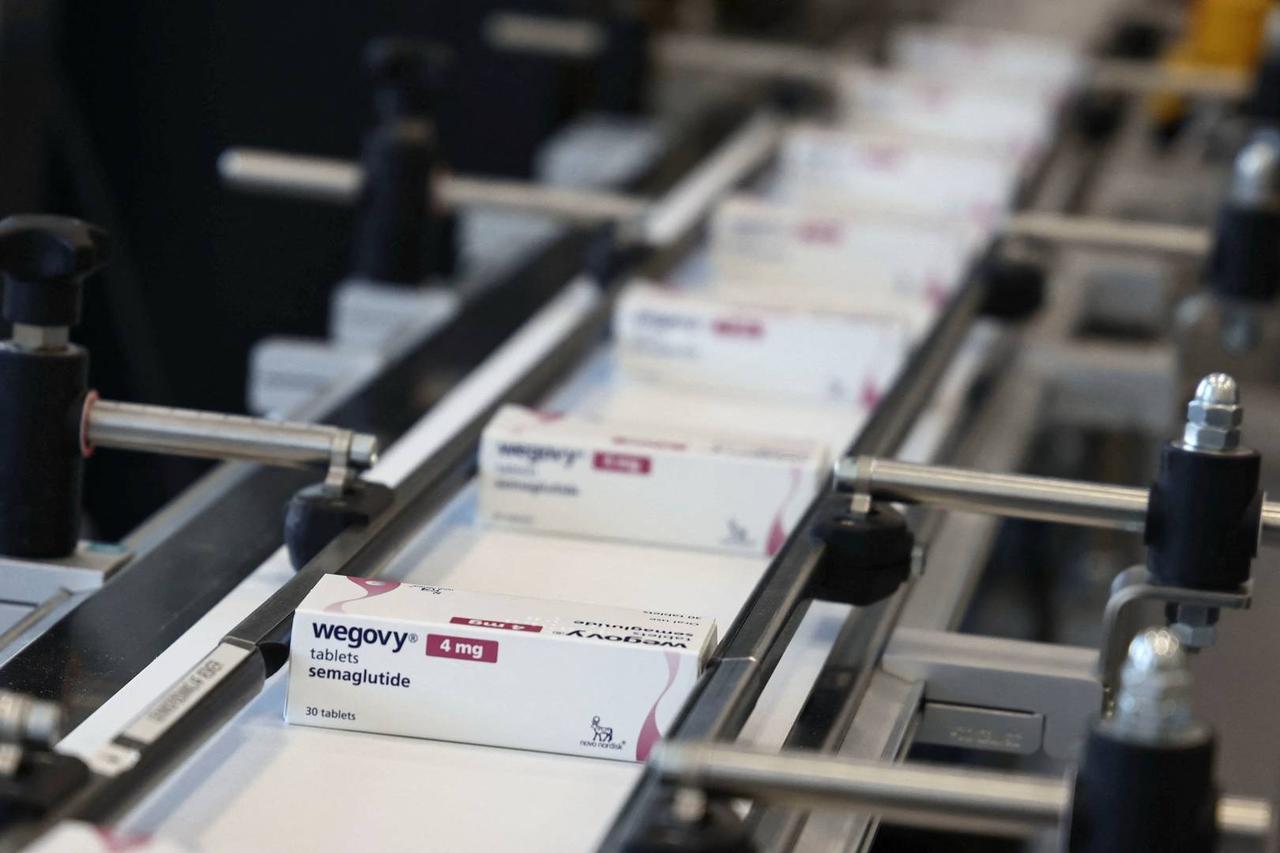
The tablet contains semaglutide, the same active ingredient as Novo's injectable Wegovy and Ozempic [1]. Novo has already won early approval for the pill in the United States and Britain and began selling it in the United States this year [1]. The U.S. launch took place Jan. 5, and the tablet has since gone on sale in the United Arab Emirates and the United Kingdom as well [2].
Novo declined to estimate a Chinese decision date. "We respect the regulatory review process and therefore we are not able to offer information on potential approval timelines," the company said in a statement to Reuters [1].
Its main rival in the obesity market moved earlier in China. Eli Lilly said in March that it had submitted an application for once-daily orforglipron to Chinese regulators at the end of 2025, and a company executive has said the drug could be launched there as soon as this year [1]. Lilly's oral orforglipron won U.S. approval in April [1]. In China, Novo, Lilly, Pfizer and the local company Innovent Biologics are already selling once-weekly GLP-1 injections for weight loss [1].
Both Novo and Lilly have said they expect pills to appeal to patients who would rather not use an injection [1].
The commercial stakes are significant. China's National Health Commission has projected that more than 65% of the country's population could be overweight or obese by 2030 [1]. Yang Huang, J.P. Morgan's head of China healthcare research, told Reuters that GLP-1 weight-management sales there could climb to 30 billion yuan, or about $4.46 billion, within five to seven years, compared with an estimated 3 billion to 4 billion yuan today [1]. The yuan conversion used by Reuters was $1 = 6.7209 yuan [1].
Why it matters for patients
For someone in the United States, this filing changes nothing in the short term. The Wegovy tablet is already approved and being sold in the U.S. [1][2], and a regulatory submission to a foreign agency does not affect U.S. prescribing, insurance coverage or pharmacy supply. Whether a Chinese approval would eventually influence U.S. supply or pricing has not been reported.
The product under review is the oral form of Wegovy [1], not the injection. How the tablet and the shots compare on weight loss or side effects is not addressed in the company statements reported here, so no direct comparison can be drawn from this news.
The two pills in the Chinese race are different molecules: semaglutide for Novo's tablet [1] and orforglipron for Lilly's [1]. A decision on one would not carry over to the other.
What happens next
China's review is now underway, with no announced decision date [1]. Novo has said it cannot discuss approval timing [1]. Lilly has said its pill could launch in China as soon as this year [1]. Outside China, the Wegovy tablet is currently sold in the United States, the United Arab Emirates and the United Kingdom [2].
Images from the sources
Sources
Semaglutides.org provides information only, not medical advice. Talk to a licensed provider about your own care before making changes. Some telehealth links are affiliate links and are labeled where they appear.