Chipotle, Shake Shack and Smoothie King run "GLP-1 friendly" menus
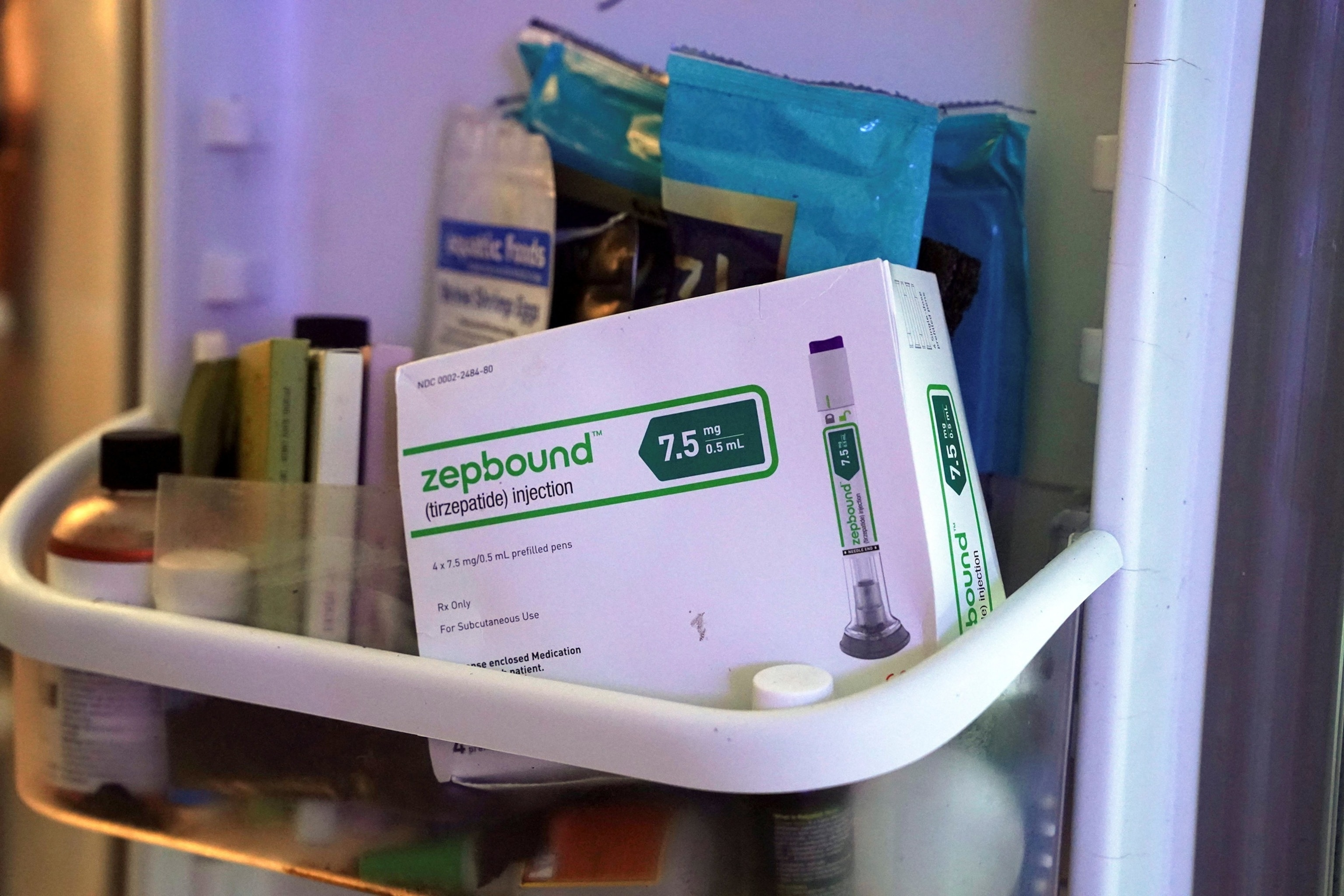
National chains are now labeling menu items "GLP-1 friendly," as survey data shows people on the drugs order restaurant food more often than those who aren't [1].
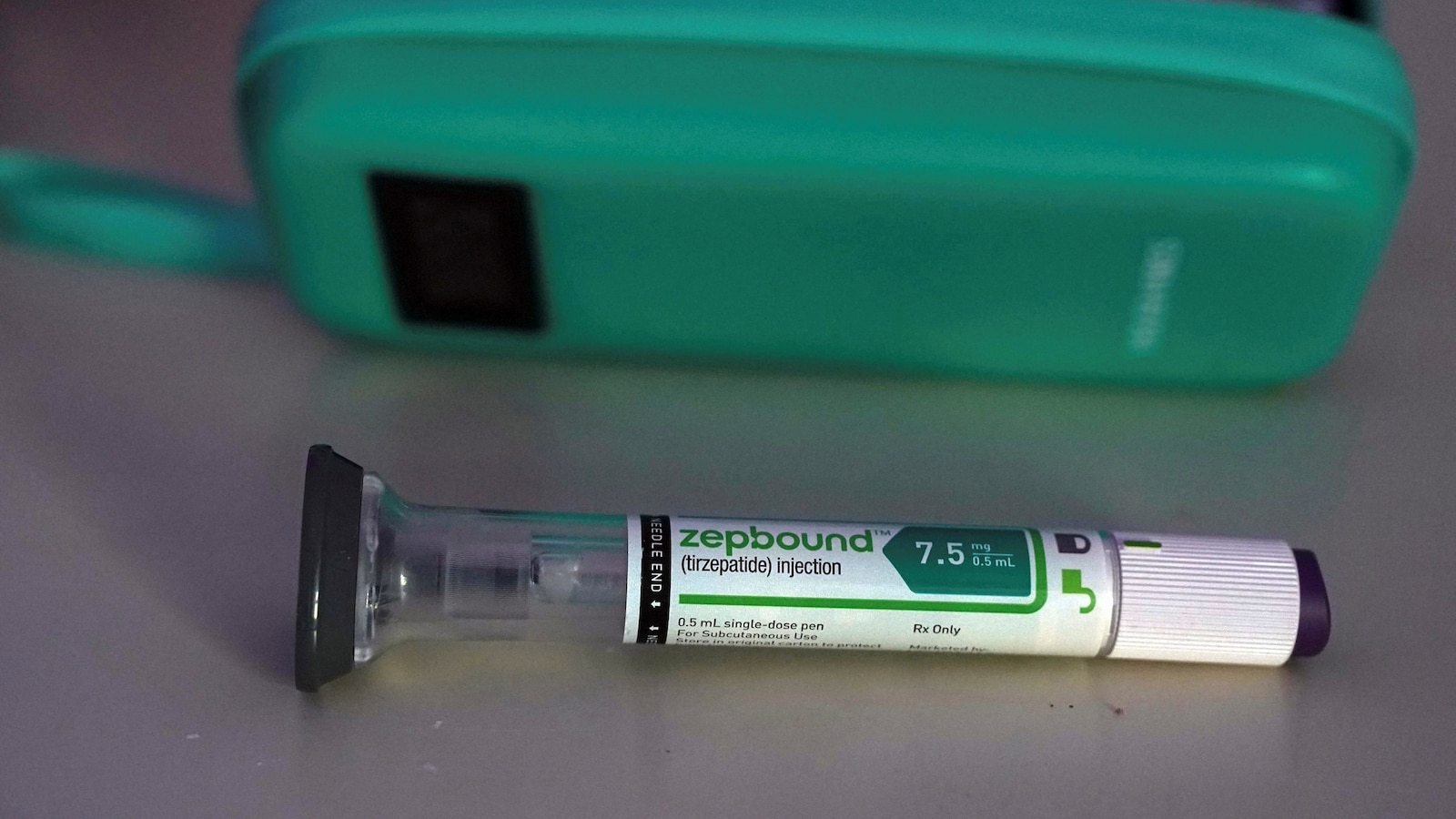
Fast-casual restaurant chains including Chipotle, Shake Shack and Smoothie King are marketing menu items directly to people taking GLP-1 medications, ABC News reported on August 25, 2026 [1]. The offerings lean on lean protein, fiber and smaller or bun-free portions, and are labeled on menus with the term "GLP-1 friendly" [1].
The shift follows a sharp rise in use. A July Gallup poll found that between 11% and 12% of U.S. adults took GLP-1 medications in 2026, up from 3% in 2024 [1].
What the chains are selling
Smoothie King's GLP-1 menu includes drinks named "Slim-N-Trim GLP-1 Mango Greens" and "Power Meal Slim GLP-1 Vanilla." According to the company's website, every smoothie on that menu has between 19 and 45 grams of protein, zero grams of added sugar, and between 190 and 450 calories [1].
"What we started seeing was a lot of guests are [on] different journeys, and we had quite a few guests on the GLP-1 journey," Lori Primavera, vice president of research and development and product marketing at Smoothie King, told ABC News [1].
Chipotle's high-protein menu flags several items as "GLP-1 friendly," including a high protein-high fiber bowl, a high protein-low calorie salad, and a cup of cut-up adobo chicken [1]. Stephanie Perdue, senior vice president of brand marketing at Chipotle, said the company was "seeing guests look for more protein-forward choices and greater flexibility in how and when they enjoy Chipotle" [1].
Shake Shack's "good fit" menu tags items for a range of dietary goals, including GLP-1 friendly choices, and features burger variations served without the bun [1]. Smoothie King rolled out its GLP-1 items as early as late 2024, while Chipotle and Shake Shack introduced theirs in December 2025 [1]. Burger King's president of U.S. and Canada, Tom Curtis, told NBC the chain plans to test items such as Whopper bites and protein-forward bowls, partly because of the rise of GLP-1s [1].
The eating-out numbers
Smaller appetites have not meant fewer restaurant visits. A 2026 National Restaurant Association survey found GLP-1 users bought a meal, snack or beverage from a restaurant an average of 7.6 times per week, compared with 5.1 times per week among non-users [1].
The same survey found nine in 10 GLP-1 users said restaurants usually have items for people who want to eat healthy, but 89% said they wish restaurants would communicate better about options that promote health and wellness [1].
Why it matters for patients
The practical issue behind the marketing is nutrient density. GLP-1 users typically eat less, so experts told ABC News that what does get eaten has to carry more nutrition [1]. Dr. Holly Wyatt, an obesity physician and researcher at the University of Alabama at Birmingham, put it bluntly: "You've got to pack it in. It's got to be very nutrient-dense" [1].
Protein and fiber are the two items most often flagged. Protein helps the body retain muscle while losing fat, and fiber helps counter the constipation GLP-1s can cause, according to the Cleveland Clinic as cited by ABC News [1]. Wyatt also said some of her clients find high-fat or greasy foods unappetizing or nausea-inducing, while others want only a small amount of a favorite dessert and nothing else, which is where nutrient intake can slip [1].
One caution worth noting: a "GLP-1 friendly" label is a marketing term, not a regulated or clinically defined one. The ABC News report describes the chains' own descriptions of their menus and does not include any independent nutritional review of whether the items meet any particular standard [1]. The calorie and protein figures cited for Smoothie King come from the company's website [1].
Dr. Louis Aronne, director of the Comprehensive Weight Control Center at Weill Cornell Medicine, framed the medications as a support rather than a substitute for food choices. "It's not that it's the GLP-1 instead of a healthy diet," he told ABC News. "The GLP-1 helps you to stick with a healthy diet" [1].
What happens next
Wyatt said her patients tell her they want restaurants to offer half-sized and lunch-sized portions, protein-first options, the ability to customize meals — particularly vegetables — and the option to box food before it reaches the table [1]. Burger King's testing of new items is the clearest sign more chains may follow, though the source does not give a launch date [1]. Whether other national chains add similar menus, and whether any industry-wide definition of "GLP-1 friendly" emerges, is not yet known from the available reporting.
Images from the sources
Sources
Semaglutides.org is for information only and is not medical advice. Always talk to a licensed healthcare provider about your own care. Some links to telehealth services are affiliate links, labeled where they appear.