Digital engagement linked to persistence, and persistence to results
A French study of 191 adults with severe obesity found those who engaged more with a digital assessment tool before starting semaglutide were more likely to stick with treatment for 48 weeks — and staying on the drug explained most of the extra weight loss.[1]
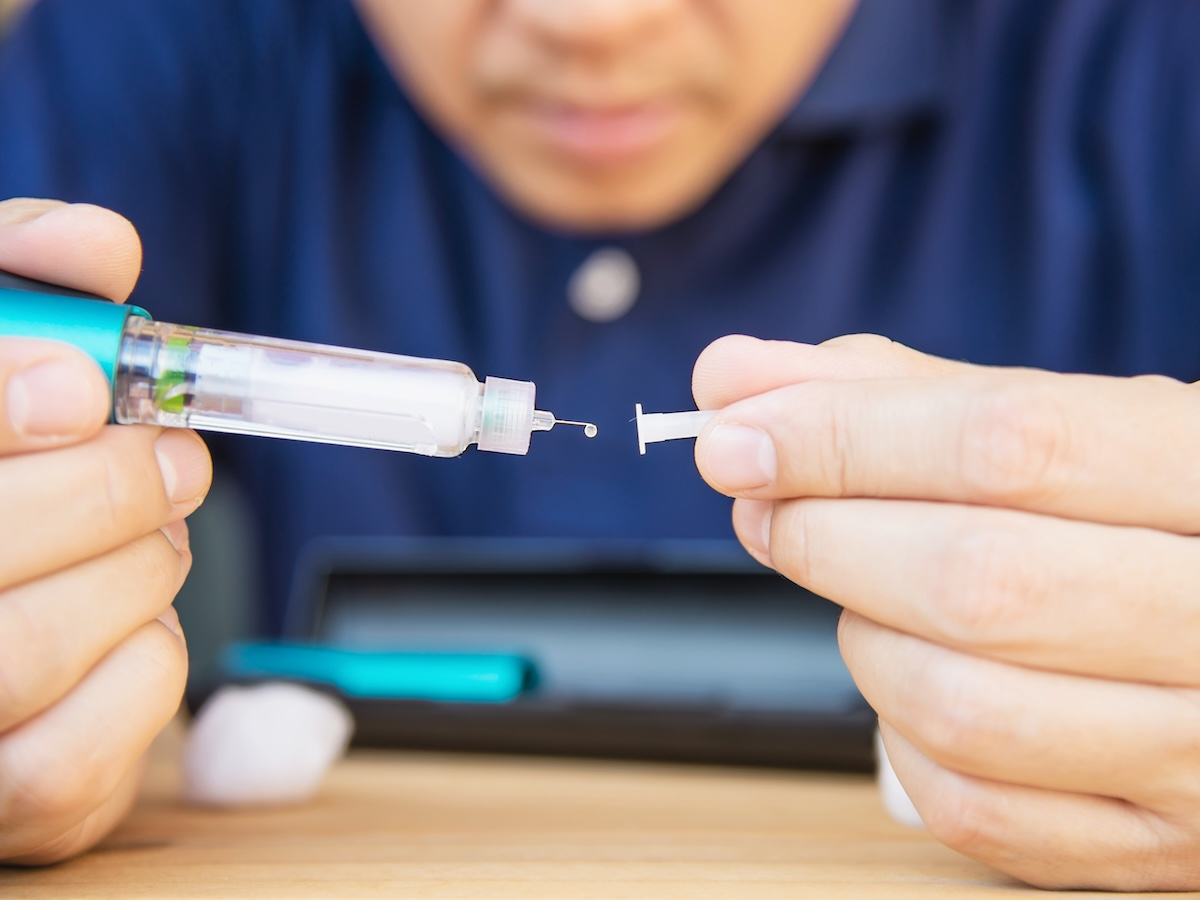
A new observational study published in the Journal of Medical Internet Research found that adults with severe obesity who engaged more with a digital assessment platform before starting semaglutide were more likely to still be on the drug 48 weeks later, and that this persistence accounted for most of the link between engagement and weight loss.[1]
The study followed 191 adults with a body mass index of 40 or higher who started semaglutide 2.4 mg weekly through a French early-access program at a single hospital center. Participants had a mean age of 51.7 and a mean BMI of 45.7.[1] Before starting treatment, some patients never used a digital assessment platform called Aviitam, some used it partially, and some fully completed a set of validated questionnaires. Researchers grouped patients into these three engagement levels and tracked outcomes.[1]
Persistence rose step by step with engagement: 59.5% of patients who never used the platform were still on semaglutide at 48 weeks, compared with 71.9% of partial users and 79.5% of those who fully completed the questionnaires.[1] After adjusting for other factors, each step up in engagement was tied to 62% higher odds of staying on the medication (adjusted odds ratio 1.62, 95% CI 1.05 to 2.50).[1] Across the full group, 74.3% of participants remained on semaglutide at 48 weeks, and 87.3% of those who persisted reached the full 2.4 mg dose.[1]
Weight loss tracked closely with persistence. Average weight loss across the whole study group was 11.8%, but it reached 14.6% among people who stayed on the drug the full 48 weeks.[1] The gap by dose was even sharper: people who discontinued treatment lost an average of 3.9%, while those who reached the full 2.4 mg dose lost an average of 15.3%.[1] A statistical mediation analysis found that persistence explained about 69% of the connection between digital engagement and weight loss, and the direct link between engagement and weight loss on its own was not statistically significant once persistence was accounted for.[1] Among a subgroup of 91 persistent patients who completed all seven baseline questionnaires, only one behavioral measure — the Intuitive Eating Scale-2 — held up as a predictor of weight change after correcting for multiple comparisons.[1]
Why it matters for patients
The study's authors point to a broader problem: prior research cited in the paper found that only 32% to 50% of patients nationally persist with GLP-1 drugs at 12 months, and fewer than 15% reach the target dose.[1] This new study suggests that how engaged a patient is with a structured pre-treatment digital assessment, even before the first injection, may signal who is more likely to stick with treatment long enough to see meaningful weight loss. That could help clinics identify people who might benefit from extra support early on, rather than waiting until someone has already fallen off treatment.[1]
Still, this was a single-center study conducted in France with 191 participants, using one specific digital platform not widely available in the United States. It is not yet known whether the same pattern would hold at other clinics, with other digital tools, or with tirzepatide (Mounjaro/Zepbound) or orforglipron (Foundayo), none of which were studied here.[1] The findings are observational, meaning engagement was not randomly assigned, so it cannot be said for certain that using a digital platform causes better persistence rather than simply reflecting patients who were already more motivated.
What happens next
The study does not report plans for a larger or multi-center follow-up, and it is not yet known whether these findings will be tested in US clinical settings or with other GLP-1 medications.[1]
Sources
Semaglutides.org is for information only and is not medical advice. Always talk to a licensed healthcare provider about your own care. Some links to telehealth services are affiliate links, labeled where they appear.