Reuters reports GLP-1 drugs work even at low starter doses
A new study found that people who stayed on the lowest starter doses of semaglutide or tirzepatide still lost weight, though far less than those who reached full-dose maintenance levels, raising questions about whether higher doses are always needed.
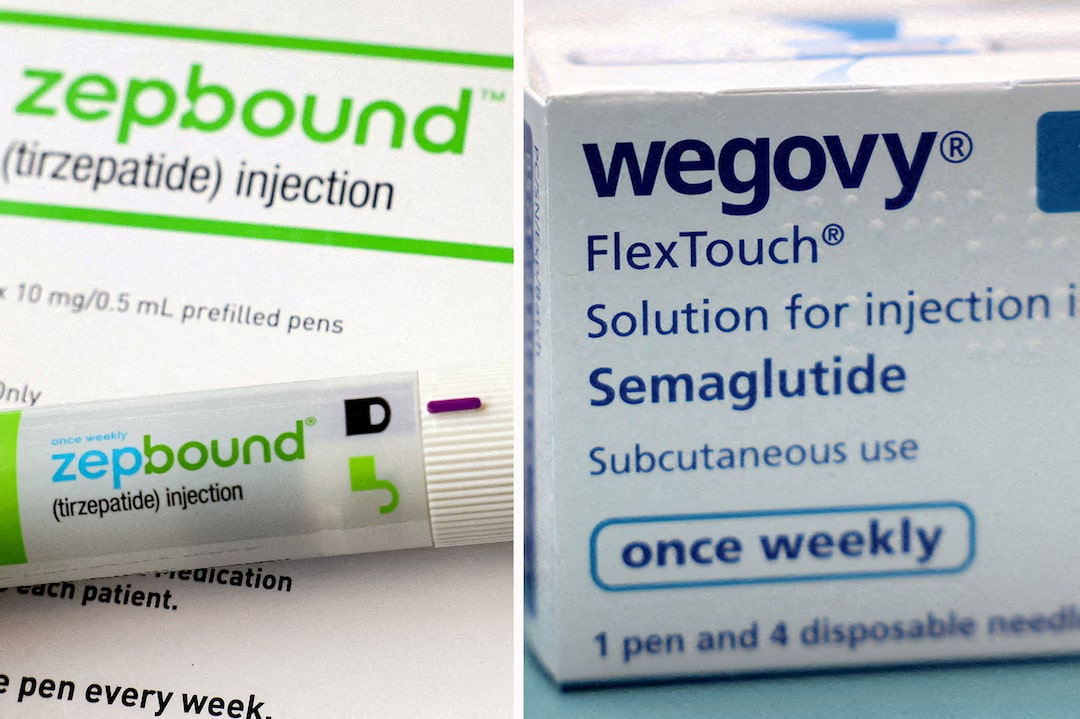
People who remain on the lowest starter doses of popular GLP-1 obesity drugs still lose some weight, even without escalating to the higher doses doctors usually recommend, according to a study reported by Reuters on Aug. 31 [1][2]. The finding complicates the standard assumption that patients must titrate up to maximum approved doses to benefit.
Researchers led by Venky Soundararajan of the data analytics firm nference looked at 534 patients who stayed on injectable semaglutide at the 0.25-milligram starter dose for at least six months, and 534 patients who stayed on tirzepatide at the 2.5-mg starter dose for the same period [1][2]. At one year, average body weight loss on these lowest approved doses was 5.5% with tirzepatide and 2.2% with semaglutide [1][2]. That is well below the 20.2% and 13.7% average losses seen at one year with the higher, recommended maintenance doses in an earlier head-to-head trial [1][2].
The study, published in Biology Methods & Protocols, was observational, meaning it cannot prove cause and effect [1][2]. Soundararajan said many patients never reach the manufacturer-recommended maintenance dose because of tolerability problems, limited access, cost, drug supply issues, or their own personal goals [1][2].
Staying at a low dose did not eliminate side effects, but the pattern differed from what is seen at higher doses. Patients on sustained low-dose tirzepatide had higher rates of kidney injury after two years than those on low-dose semaglutide, 2.7% versus 0.4% [1][2]. Tirzepatide was also linked to more constipation, muscle cramps, lumbar disc disease, and shortness of breath on exertion compared with semaglutide at low doses [1][2]. Low-dose semaglutide, meanwhile, was tied to higher rates of ear inflammation, heavy sweating, and ankle swelling [1][2]. Nausea and constipation were both substantially lower at these starter doses than what has been reported for higher-dose regimens [1][2]. Semaglutide currently carries U.S. approval to reduce the risk of worsening chronic kidney disease, while tirzepatide does not yet have that approval, and the low-dose kidney data favored semaglutide as well [1][2].
Why it matters for patients
For people who cannot tolerate higher doses, cannot access them, or are choosing to stay at a lower dose for cost or personal reasons, this research suggests some weight loss is still possible, though it will likely be far smaller than the double-digit percentages associated with full maintenance dosing [1][2]. Soundararajan stressed that semaglutide and tirzepatide
Sources
Semaglutides.org is for information only and is not medical advice. Always talk to a licensed healthcare provider about your own care. Some links to telehealth services are affiliate links, labeled where they appear.