South Korea's regulator says no causal link is confirmed in reported Mounjaro pancreatitis cases
South Korea's drug regulator says it cannot confirm a causal link between tirzepatide (Mounjaro) and reported pancreatitis cases, but will keep monitoring alongside the UK's stricter warning issued in January.

South Korea's Ministry of Food and Drug Safety (MFDS) said this week that no causal relationship has been established between reported cases of acute pancreatitis and GLP-1-based obesity drugs, including Mounjaro (tirzepatide) and Wegovy (semaglutide) [1]. The agency said it will keep monitoring safety reports from Korea and other countries [1].
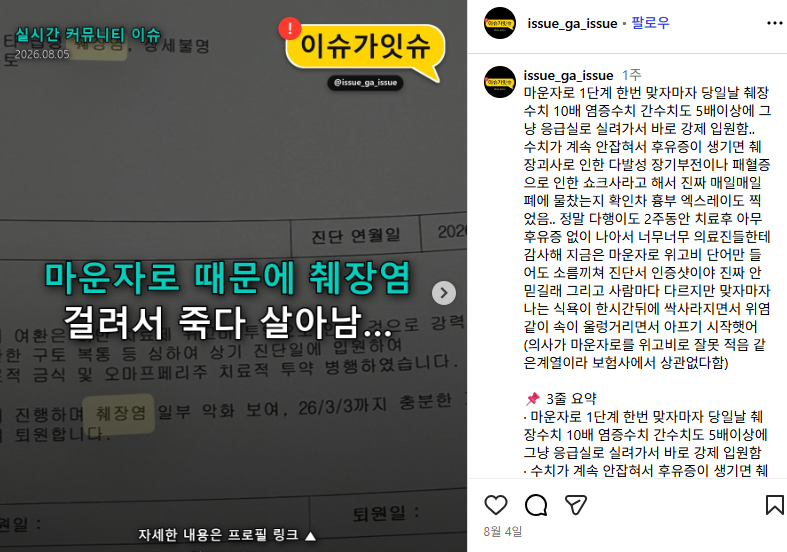
The statement follows an online post that drew wide attention in Korea, in which a person said they developed acute pancreatitis after a single 2.5 mg dose of Mounjaro and went to the emergency room, reporting sharply elevated inflammatory markers and liver enzyme levels [1]. An MFDS official told reporters that, as of March this year, three pancreatitis cases had been reported for tirzepatide products and four for semaglutide products since their launches in Korea [1]. The official said the reasons these cases were classified as serious adverse events did not involve hospitalization, life-threatening conditions, death, serious disability, or functional impairment, and that a causal link to the drugs has not been confirmed [1].
Pancreatitis is not a new addition to drug labels. The MFDS said adverse events like pancreatitis and gallbladder disease are already listed in Korean prescribing information for tirzepatide and semaglutide products [1]. According to the ministry's own drug information system, acute pancreatitis and cholelithiasis (gallstones) are listed as adverse reactions for both drug classes [1]. Mounjaro's label advises caution in patients with a history of pancreatitis, and in clinical trials acute pancreatitis and cholelithiasis were reported as "uncommon," affecting between 0.1 percent and 1 percent of patients [1]. Wegovy's label notes that acute pancreatitis has been observed with GLP-1 receptor agonists and tells patients to watch for related symptoms, while Ozempic's label advises caution in patients with a prior history of acute pancreatitis [1]. Pancreatitis warnings already appear in US labeling for this drug class as well, according to the source's summary.
The Korean review comes after the UK's Medicines and Healthcare products Regulatory Agency (MHRA) strengthened its warning in January, following reports of necrotizing and fatal acute pancreatitis linked to GLP-1 and GIP/GLP-1 combination drugs [1]. Separately, the European Medicines Agency evaluated a possible link between semaglutide and a rare eye condition called non-arteritic anterior ischemic optic neuropathy (NAION) and added it to product information as a very rare adverse reaction [1]. The MFDS said it is now revising Korean prescribing information for semaglutide products, including Wegovy and Ozempic, to reflect that NAION labeling change [1].
Why it matters for patients
For US patients, the core facts have not changed: pancreatitis and gallbladder problems are already listed as known risks on US labels for semaglutide and tirzepatide products, and that remains true regardless of what Korean regulators conclude [1]. What is new is that a foreign regulator reviewed a small number of domestic reports — three for tirzepatide, four for semaglutide, as of March — and said the evidence so far does not prove the drugs caused those cases [1]. That is different from saying pancreatitis cannot happen; it is a statement about whether these specific reported cases meet the bar for confirmed causation.
The more consequential regulatory action so far came from the UK, where the MHRA strengthened pancreatitis warnings in January after reports of severe, including fatal, cases across the whole GLP-1 and dual-agonist class [1]. That warning already reflects concerns about the class broadly, not one drug or one country. Patients monitoring their own risk may find it useful to know that regulators in multiple countries are actively reviewing this signal, even as none has yet established a confirmed causal link in the specific Korean reports discussed here [1].
What happens next
The MFDS said it will continue monitoring adverse event reports from Korea and abroad and will consider revising Korean prescribing information if new information emerges [1]. It is separately working to update Korean semaglutide labels to reflect the EMA's NAION findings [1]. No timeline was given for either process [1].
Images from the sources
Sources
Semaglutides.org is for information only and is not medical advice. Always talk to a licensed healthcare provider about your own care. Some links to telehealth services are affiliate links, labeled where they appear.