New NAION suits put a face on the US label divergence over vision loss
TV news reports from Boston and Atlanta feature patients who say they went blind in one eye after starting semaglutide, spotlighting a growing federal lawsuit and a gap between US and European drug labels.
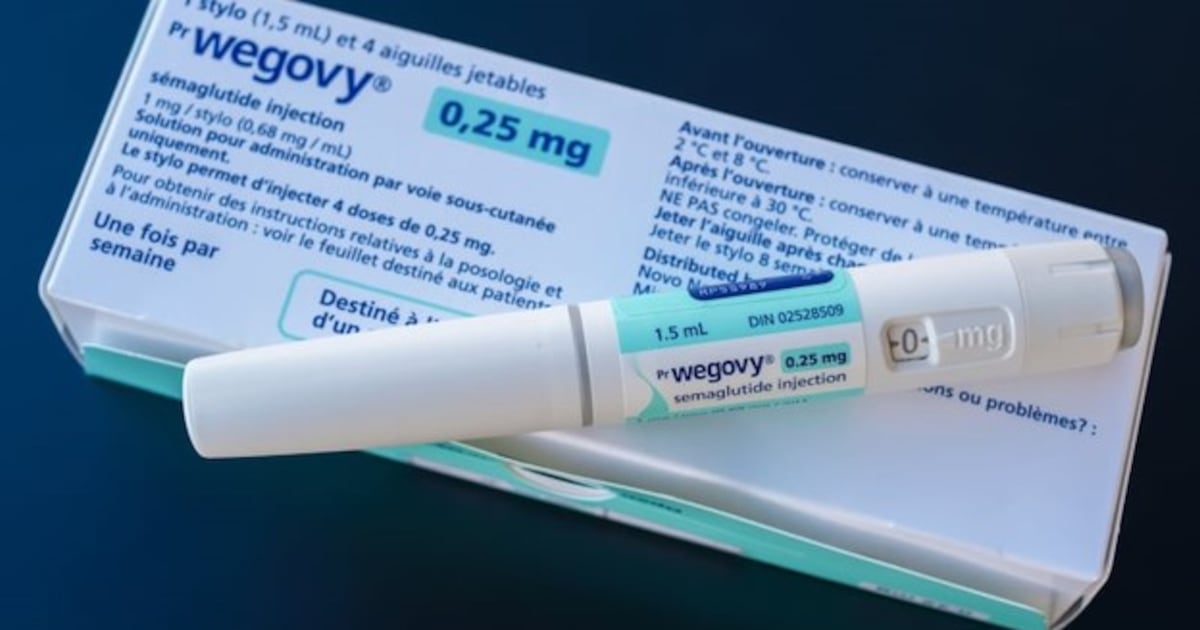
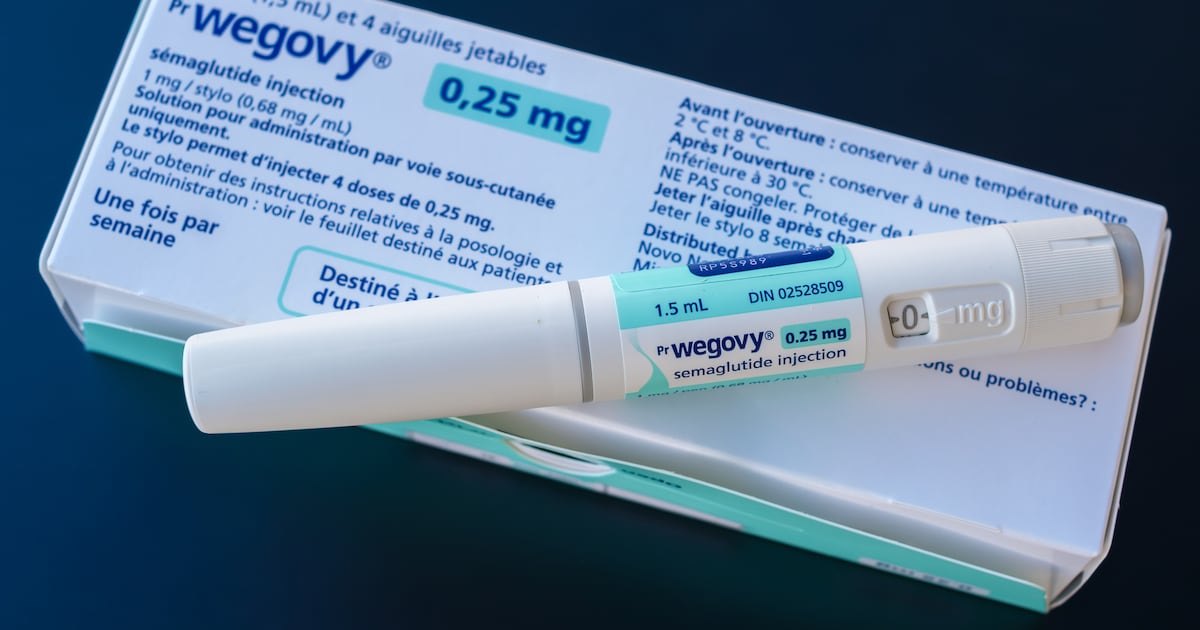
Local television stations in Boston and Atlanta this week aired reports on patients who say they lost vision suddenly after starting semaglutide drugs like Wegovy and Ozempic, tying the stories to a federal lawsuit that has grown to more than 130 cases before a Philadelphia judge [1]. Diane Wirth, a former nurse practitioner in Georgia, said she woke up weeks after starting Wegovy in February 2025 and could not see out of her right eye [1][2]. She was diagnosed with non-arteritic anterior ischemic optic neuropathy, or NAION, sometimes called an eye stroke because it results from reduced blood flow to the optic nerve [1][2].
Wirth is now part of a multidistrict lawsuit alleging that Novo Nordisk and Eli Lilly failed to warn patients that GLP-1 drugs might be linked to this condition [1]. She said the vision loss cost her her job and much of her independence, and that she would not have taken the drug had she known the risk. "If I would've read that there's a possibility that I could lose my vision, I would've never taken this drug," she said [1][2].
The lawsuits cite a 2024 study in JAMA Ophthalmology from researchers at Mass Eye and Ear, which found diabetic patients on GLP-1 drugs were more than four times as likely to be diagnosed with NAION, and overweight patients on the drugs were more than seven times as likely, compared with patients not on the drugs [1]. Attorney Jason Goldstein, who sits on the litigation's steering committee, said the condition "comes on suddenly, you don't feel it and then it's permanent," and that it has struck patients as young as 33 [1].
Both drugmakers dispute a proven causal link. Lilly said recent literature "does not establish a causal relationship between GLP-1RAs and NAION" and that it continues to monitor safety data with regulators [1][2]. Novo Nordisk pointed to its own review of more than 96,000 patients that found no increased risk [1][2]. Regulatory responses have diverged: the European Union and United Kingdom updated semaglutide product labels in June 2025 to list NAION as a very rare side effect, and Canada and Australia have since updated their own safety information, with Australia telling patients to seek immediate care for sudden vision loss [1][2]. The FDA has not required an equivalent U.S. label change and told WSB-TV it is continuing to evaluate the potential safety issue [2].
Why it matters for patients
For patients in the U.S., the practical effect right now is that Wegovy, Ozempic, Mounjaro and Zepbound labels do not carry the NAION warning that appears on the same or similar drugs in Europe, the UK, Canada and Australia [1][2]. That means U.S. patients relying on the package insert alone would not currently see this risk listed, even though regulators elsewhere have judged it worth disclosing. The CDC has suggested that people taking GLP-1 drugs may want to see an ophthalmologist for a baseline eye exam before starting, since Wirth and Goldstein both describe the condition as arriving with no warning signs and no way to reverse it once it happens [1][2]. The underlying science is unsettled: the JAMA Ophthalmology study found an association, not proof of cause, and both manufacturers say larger data reviews have not shown increased risk [1][2]. That disagreement is now playing out both in international regulatory decisions and in U.S. courtrooms.
What happens next
The consolidated federal litigation, known as MDL 3163, had 216 pending cases as of a September 1 Judicial Panel on Multidistrict Litigation report, and proceedings before the Philadelphia judge overseeing the cases could take years to resolve [1]. The FDA has not announced a timeline for deciding whether to require a U.S. label change, and told Channel 2 Action News only that it continues to evaluate the drugs' safety [2].
Images from the sources
Sources
Semaglutides.org is for information only and is not medical advice. Always talk to a licensed healthcare provider about your own care. Some links to telehealth services are affiliate links, labeled where they appear.