Lilly sues makers of generic-style Mounjaro and Zepbound copies
Eli Lilly filed its first U.S. patent lawsuits against 14 companies selling generic-style versions of Mounjaro and Zepbound, adding to a growing pile of GLP-1 legal fights that could shape drug access and pricing.
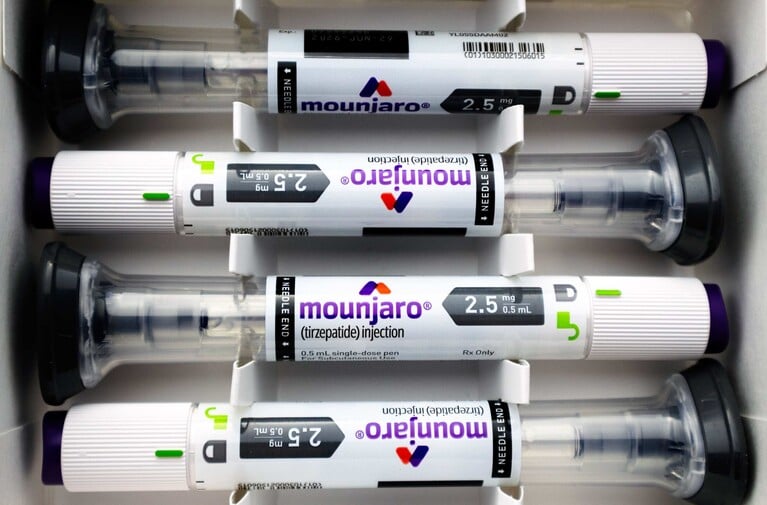
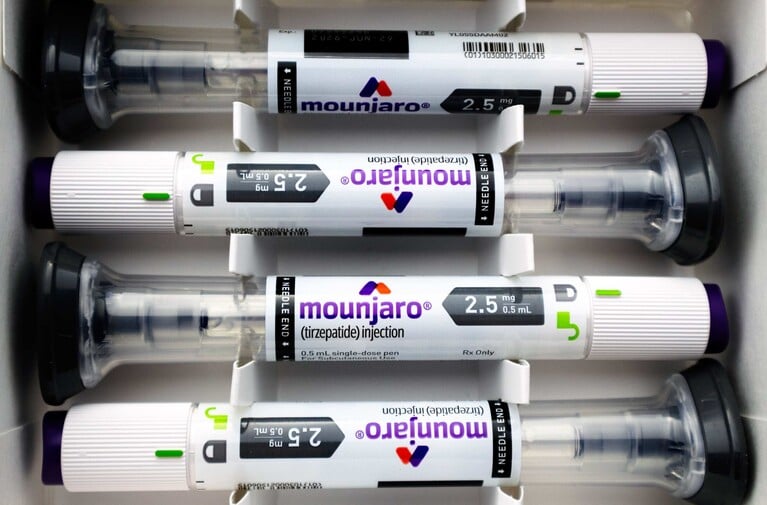
Eli Lilly has filed its first U.S. patent lawsuits targeting generic versions of Mounjaro and Zepbound, naming 14 companies as defendants in the U.S. District Court for the District of Delaware [1]. The filings mark a shift from Lilly's earlier legal fights against compounding pharmacies to a new front against firms selling copies positioned as generic drugs [1].
The case is described as a wave of Hatch-Waxman litigation, a type of patent suit tied to the federal process for approving generic drugs [1]. Reporting on the filings does not specify which patents Lilly is asserting, how many total suits it filed, or which specific companies are named beyond the count of 14 [1]. Those details were not available in the source material.
The Lilly suits are part of a broader pattern. Patent disputes involving GLP-1 receptor agonists are multiplying across the industry, including cases tied to Novo Nordisk's Ozempic, Rybelsus and Wegovy, according to the report [1]. The article frames Lilly's move as one piece of a larger legal landscape rather than an isolated case [1].
It is not yet known from available reporting when these cases were filed relative to the August 14, 2026 report, what remedies Lilly is seeking, or how the named companies plan to respond [1]. The source is a legal trade publication and its full account of the litigation sits behind a subscription paywall, so many procedural details are not available in the material reviewed [1].
Why it matters for patients
Patent litigation over GLP-1 drugs does not change what is approved or available today, but it can shape whether cheaper alternatives to Mounjaro and Zepbound reach the market and when. Tirzepatide, sold as Mounjaro for diabetes and Zepbound for weight loss, has been a high-demand and high-cost drug, and generic competition is one of the main ways prices for brand-name drugs eventually come down in the U.S. market.
Lawsuits like these can delay generic entry for months or years while courts sort out whether a patent is valid and whether a competing product infringes it. For patients currently relying on brand-name Mounjaro or Zepbound, or watching for lower-cost options, this litigation is a signal that the legal landscape around these drugs remains unsettled. It does not mean current prescriptions, insurance coverage, or drug availability are changing right now [1].
The expansion of Lilly's legal strategy from compounders to generic-style manufacturers also suggests the company sees a widening set of competitors trying to offer lower-cost versions of its GLP-1 drugs. How courts rule in these cases could influence how soon, and under what terms, less expensive alternatives become available to patients paying out of pocket or through insurance for tirzepatide-based treatment.
What happens next
The source reviewed does not include a timeline for hearings, rulings, or settlement talks in these Delaware cases [1]. Patients and readers watching for developments will need to rely on future court filings or reporting for updates on how these disputes proceed, including which specific patents are at issue and how the 14 named companies respond [1].
Images from the sources
Sources
Semaglutides.org is for information only and is not medical advice. Always talk to a licensed healthcare provider about your own care. Some links to telehealth services are affiliate links, labeled where they appear.