Meta-analysis pools real-world incretin results after bariatric surgery
A pooled analysis of 19 studies finds people who take liraglutide or semaglutide after weight-loss surgery lose about 9% more body weight at one year, less than the double-digit results seen in patients who never had surgery.
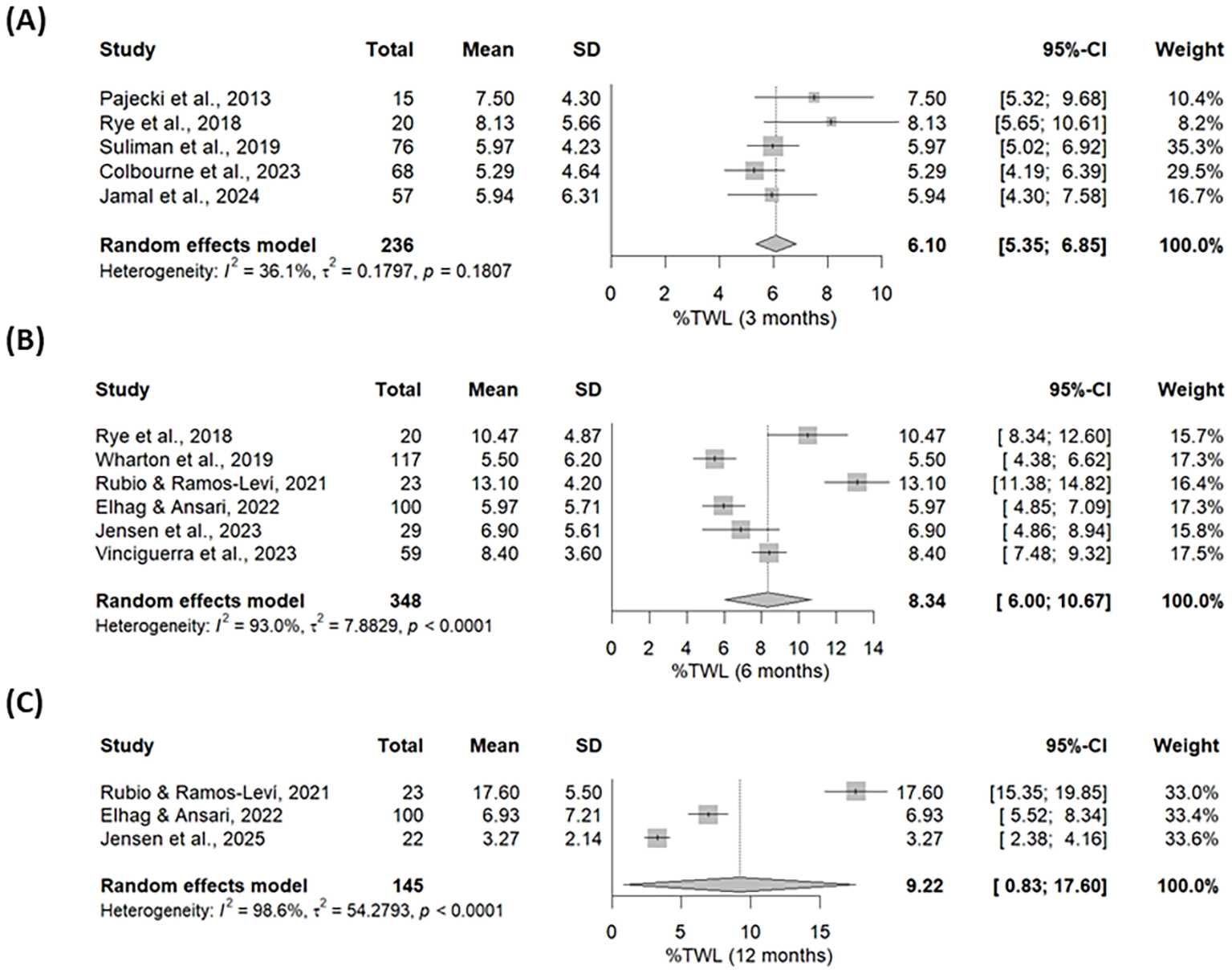
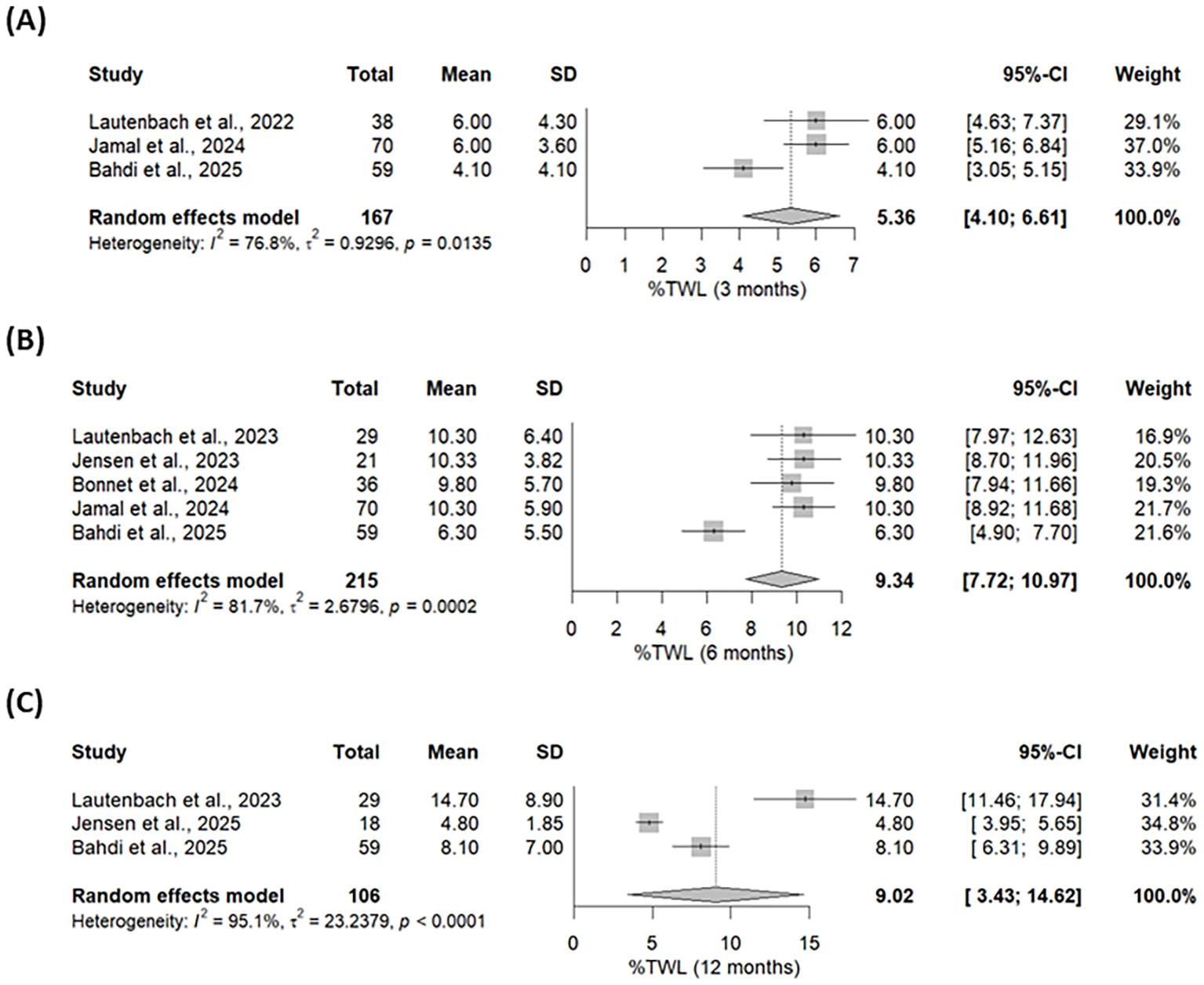
Researchers publishing in Frontiers in Endocrinology combined data from 19 studies to estimate how much additional weight loss patients get from incretin drugs after metabolic bariatric surgery, a situation that was excluded from the original drug trials [1]. The review looked at 27 papers in total on liraglutide, semaglutide, and tirzepatide used at least one year after surgery, then ran a formal meta-analysis on 19 of them [1][2].
At 12 months, the pooled total weight loss on top of surgery was 9.22% with liraglutide and 9.02% with semaglutide [1][2]. At 6 months, tirzepatide outperformed semaglutide by a mean difference of 4.23 percentage points of total weight loss [1][2]. For comparison, the same paper notes that in patients without prior surgery, clinical trials found roughly 5-10% weight loss with liraglutide at 3.0 mg daily, about 15% with semaglutide at 2.4 mg weekly, and about 21% with tirzepatide at 15 mg weekly [1]. The post-surgery results in this review sit at the lower end of, or below, those general-population figures.
The authors used a random-effects statistical model because the underlying studies varied widely in patient characteristics, surgery type, how weight loss was measured, time since surgery, and drug dosing [1]. They also graded study quality using standard tools — the Jadad scale for randomized trials, MINORS for cohort studies, and a Joanna Briggs Institute checklist for case series — and only kept studies rated at least moderate quality [1].
On safety, no serious adverse events were reported across the pooled studies, and most side effects were mild gastrointestinal symptoms, consistent with what is already known about these drugs [1][2]. The review's authors call the heterogeneity across studies "substantial" and say the findings should be interpreted with caution [1][2].
The review also lays out why post-surgery drug treatment is being studied at all. By some estimates cited in the paper, 15% to 35% of bariatric surgery patients do not meet weight-loss targets, and 25% to 35% experience significant weight regain within two to five years [1]. The International Federation for the Surgery of Obesity and Metabolic Disorders defines a
Images from the sources
Sources
Semaglutides.org is for information only and is not medical advice. Always talk to a licensed healthcare provider about your own care. Some links to telehealth services are affiliate links, labeled where they appear.