Network meta-analysis compares GLP-1 therapy with testosterone therapy in men with obesity
A new analysis of 23 trials found testosterone therapy plus lifestyle changes, not GLP-1 drugs, produced the biggest gains in testosterone levels and was the only strategy that improved erectile function scores in obese men with low testosterone.
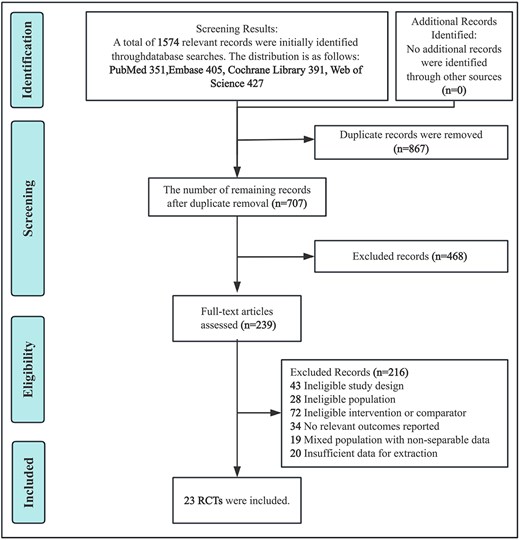
A systematic review and network meta-analysis published in the Journal of Sexual Medicine compared five treatment strategies for obesity-related functional hypogonadism in men, and found that GLP-1 receptor agonist-based therapy did not come out on top [1][2]. The study pooled data from 23 randomized controlled trials involving 1,899 men and compared structured lifestyle therapy, testosterone replacement therapy (TRT), endogenous testosterone restoration therapy, GLP-1-based therapy, and TRT combined with structured lifestyle therapy [2].
Compared with usual care or placebo, TRT plus structured lifestyle therapy produced the largest estimated increase in total testosterone, with a mean difference of 7.19 (95% CI, 1.18 to 13.21) [2]. Endogenous testosterone restoration therapy came next, with a mean difference of 4.14 (95% CI, 0.74 to 7.54), followed by TRT alone at 2.53 (95% CI, 0.26 to 4.81) [2]. TRT plus lifestyle therapy was also the only intervention that significantly improved scores on the International Index of Erectile Function, with a mean difference of 1.29 (95% CI, 0.07 to 2.50) [2].
The researchers, who searched PubMed, Embase, Web of Science, and the Cochrane Library through April 2026, reported that no treatment strategy significantly lowered glycated hemoglobin compared with usual care or placebo [2]. TRT alone reduced waist circumference and increased lean mass, but it also increased hematocrit, a measure of red blood cell concentration that doctors monitor because high levels can raise clotting risk [2]. Endogenous testosterone restoration therapy and TRT plus lifestyle therapy also increased lean mass [2]. The analysis did not find significant differences in adverse events across the compared strategies [2].
Importantly, the authors caution that confidence in many of these comparisons was low or very low, and the trials feeding into the analysis differed in participant characteristics, treatment protocols, and follow-up length [1][2]. They wrote that the findings should guide individualized treatment decisions rather than establish a definitive ranking of therapies, and that longer head-to-head trials are needed to confirm the results [2].
Why it matters for patients
Men with obesity sometimes develop functional hypogonadism, a condition marked by lower testosterone along with sexual dysfunction, metabolic problems, and changes in body composition, that can potentially reverse with treatment [2]. This analysis suggests that for men focused specifically on testosterone levels and erectile function scores, testosterone-based approaches, particularly TRT combined with lifestyle changes, showed larger measured effects in the trials studied than GLP-1-based therapy did [2].
That does not mean GLP-1 medications lack value for men with obesity and low testosterone. The study did not report GLP-1 therapy's specific effect sizes on testosterone or erectile function within this summary, and none of the interventions examined significantly reduced blood sugar (measured by glycated hemoglobin) compared with placebo [2]. The tradeoffs also differ: TRT was linked to increased hematocrit, a marker some clinicians watch closely, while the analysis found no significant difference in overall adverse events between strategies [2].
Because confidence in several comparisons was rated low or very low, and trial designs varied widely in duration and protocol, these results are best understood as an early comparative signal rather than a settled answer about which treatment works best for any individual [1][2].
What happens next
The study's authors call for longer-term, head-to-head trials to confirm these comparative findings before they can inform firmer treatment guidance [2]. No specific trial dates or timelines were included in the available sources.
Sources
Semaglutides.org is for information only and is not medical advice. Always talk to a licensed healthcare provider about your own care. Some links to telehealth services are affiliate links, labeled where they appear.