Tirzepatide reported to help in partial lipodystrophy, a rare fat-storage disorder
A retrospective study of 40 patients found tirzepatide was linked to weight loss and better blood sugar control in partial lipodystrophy, a rare disorder with only one approved drug, metreleptin.
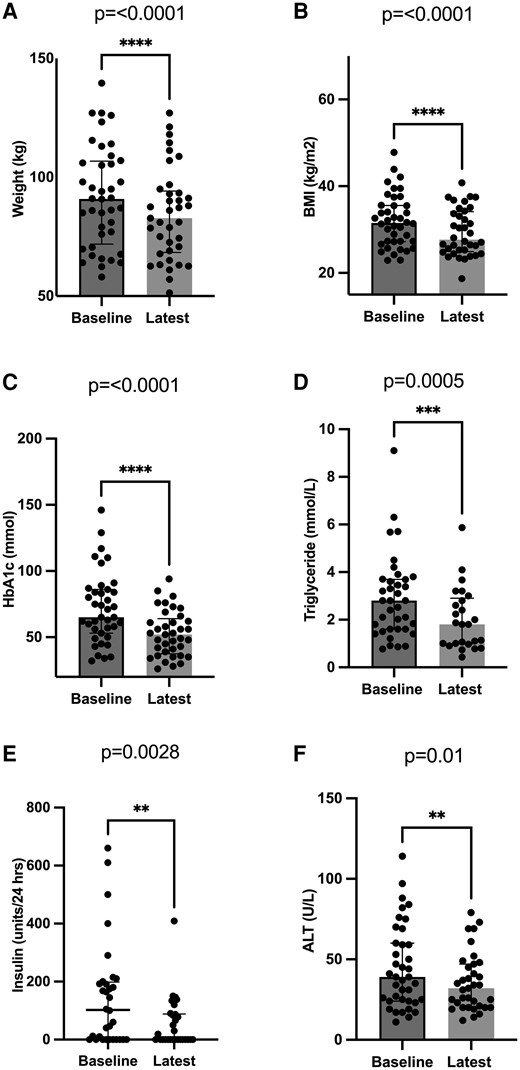
A new study reports that tirzepatide, the GLP-1/GIP medicine sold as Mounjaro and Zepbound, may help people with partial lipodystrophy, a rare disorder in which the body cannot store fat normally in certain areas [1]. The findings come from a single medical center and describe all 40 patients with the condition who were treated with tirzepatide there between January 2022 and September 2025 [1].
Over a median follow-up of 9.5 months, median body weight fell from 91.0 kg to 82.8 kg, according to the report published in the Journal of Clinical Endocrinology and Metabolism [1]. The study also found significant improvements in measures of blood sugar control, in serum triglyceride levels, and in the daily amount of insulin patients needed [1]. The paper does not give the exact numeric size of these secondary changes beyond noting they were statistically significant [1].
Partial lipodystrophy is a group of genetic conditions in which fat fails to build up properly in the arms, legs, or trunk, often forcing fat into the liver, muscle and blood instead. This can drive severe insulin resistance, high triglycerides and diabetes that is hard to control. The only medicine currently licensed specifically for lipodystrophy is metreleptin, a synthetic version of the hormone leptin [1]. Tirzepatide is not approved by the FDA for this condition; it is approved for type 2 diabetes (Mounjaro) and for chronic weight management (Zepbound).
The study has important limits. It has no control group, meaning there is no comparison group of similar patients who did not get tirzepatide, so it is not possible to say for certain how much of the improvement came from the drug versus other factors [1]. The 40 patients also span several different genetic subtypes of partial lipodystrophy, which do not necessarily respond to treatment in the same way [1]. Because it comes from one center, the results may not reflect what would happen at other clinics or in a more diverse patient group.
Why it matters for patients
Partial lipodystrophy is rare, and treatment options are limited to metreleptin, which is expensive and not effective for everyone [1]. For patients and doctors managing severe insulin resistance, high triglycerides and diabetes tied to this condition, evidence that a widely available GLP-1/GIP medicine might help with weight, blood sugar and insulin needs is notable, even from a small, uncontrolled study [1].
At the same time, this is not proof that tirzepatide works for lipodystrophy in the way that a randomized clinical trial would provide. The lack of a comparison group means doctors cannot yet know how tirzepatide's effects compare with metreleptin, with no treatment, or with other approaches [1]. Patients with partial lipodystrophy who are considering treatment options, and their doctors, are working with early, retrospective data rather than results from a controlled trial.
Because tirzepatide is not FDA-approved for lipodystrophy, any use in this condition would be off-label, meaning a doctor prescribes it for a purpose beyond what regulators have reviewed and approved. Off-label use is legal and common in medicine, but it means the safety and effectiveness data for this specific use has not gone through the same regulatory review as an approved indication.
What happens next
The study covers patients treated through September 2025, and it is not known from the available material whether the same center or others plan a larger or controlled follow-up study [1]. It is also not known whether the manufacturer of tirzepatide or regulators are considering formal trials in partial lipodystrophy, or whether insurance coverage for this off-label use is available. Those questions remain unanswered based on the sources reviewed.
Sources
Semaglutides.org is for information only and is not medical advice. Always talk to a licensed healthcare provider about your own care. Some links to telehealth services are affiliate links, labeled where they appear.