United Kingdom secures lower Section 232 pharmaceutical tariff rates in a bilateral arrangement
The United Kingdom won a lower tariff rate on patented drug imports to the US under a new Section 232 pharmaceutical tariff system, but sources give conflicting numbers and it is not yet clear how this affects GLP-1 drug prices.
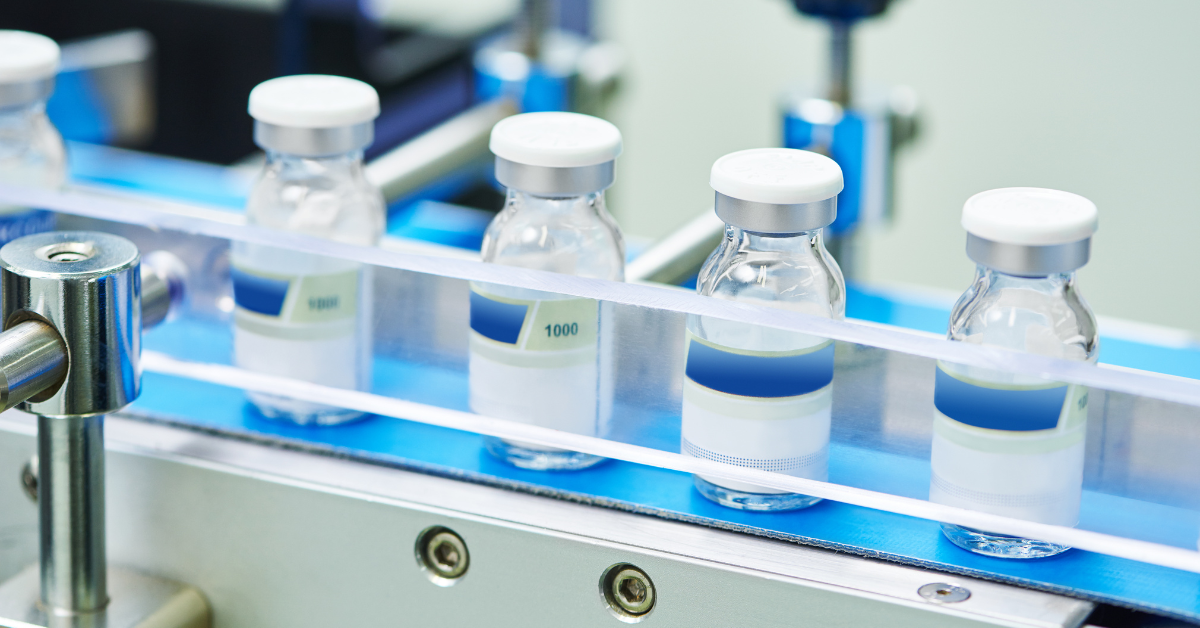
Trade advisories reported on August 7, 2026, that the United Kingdom secured reduced Section 232 tariff treatment for pharmaceutical exports to the United States, putting it alongside Japan, the European Union, Korea, Switzerland and Liechtenstein among jurisdictions with a lower rate instead of the 100 percent duty that applies to most patented drugs [1][2].
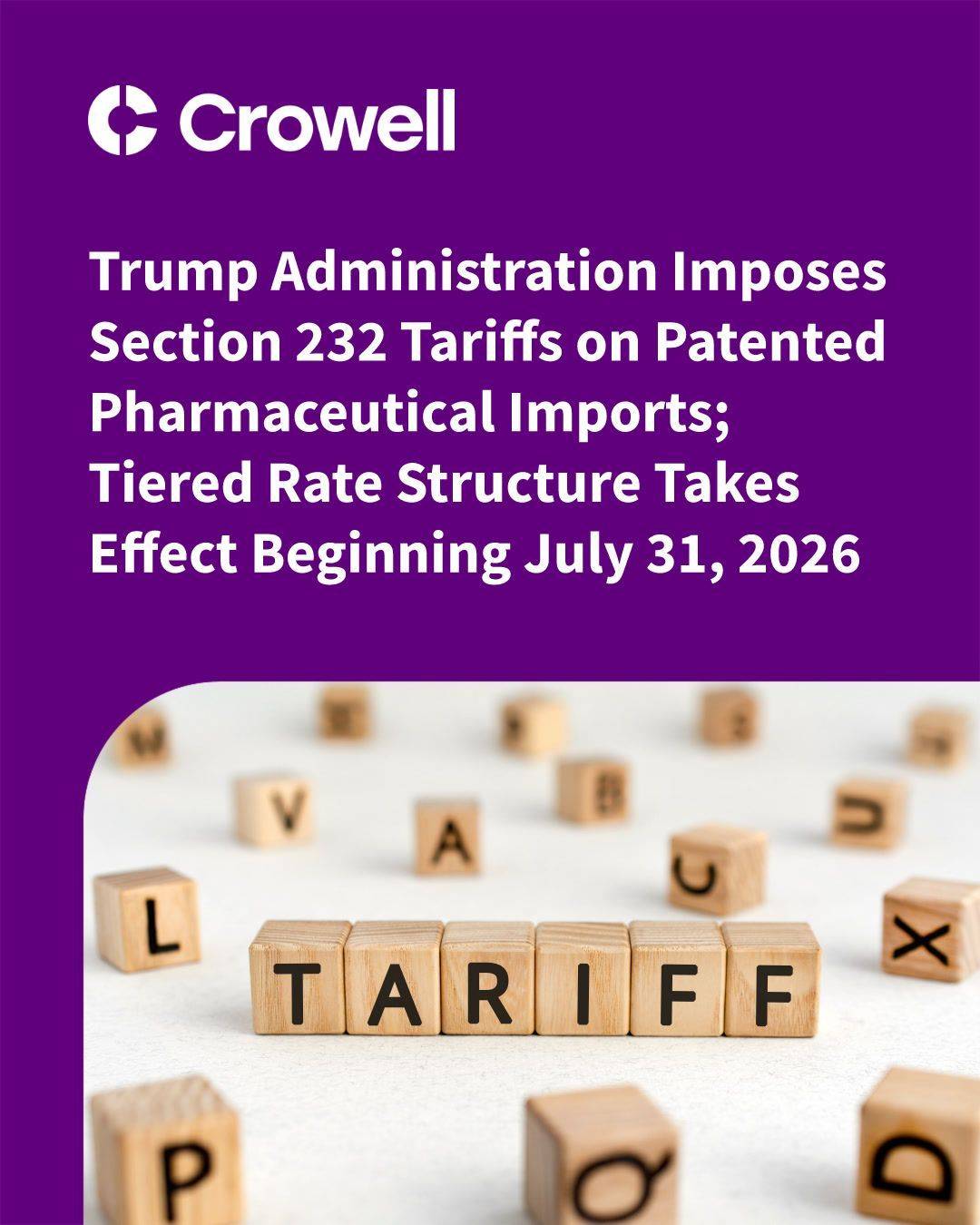
The underlying framework began with an executive order signed April 2, 2026, that set a 100 percent tariff on patented pharmaceutical products and their key ingredients, unless a product or company qualifies for a lower rate [1][2]. Under that order, patented drugs from Japan, the EU, Korea, Switzerland and Liechtenstein were set at 15 percent instead of 100 percent [1][2]. The UK's treatment is described differently across sources: one trade-compliance summary lists a flat 10 percent rate for UK-origin patented pharmaceutical articles [1], while a law firm client alert describes the UK rate as an added 10 percent on top of the general 100 percent rate, reducible to zero if a future bilateral pricing agreement is reached [2]. A separate item referenced in trade-logistics coverage says the UK would receive a 0 percent rate starting July 31, 2026 [1]. The sources do not reconcile these differing figures, so the exact UK rate is not fully clear from what is available here.
Most of the tariff structure took effect July 31, 2026, for companies not named in a special list [1][2]. Companies identified in Annex III of the proclamation get a later start date of September 29, 2026, before the higher duty applies to them [1][2]. Separately, drugmakers that have signed a most-favored-nation pricing agreement with the Department of Health and Human Services face no additional tariff at all under a dedicated tariff code, regardless of country of origin [1][2]. Generic drugs and biosimilars are excluded from the tariff system entirely, as are orphan drugs, plasma-derived therapies, fertility treatments, cell and gene therapies, and several other specialty categories [1][2].
Why it matters for patients
This tariff system targets patented brand-name drugs and their active ingredients, not generics, so it does not directly touch generic medicines [1][2]. For GLP-1 medicines like Ozempic, Wegovy, Rybelsus (semaglutide), Mounjaro, Zepbound (tirzepatide), and Foundayo (orforglipron), all of which remain under patent, the tariff rate that applies would depend on where the drug or its ingredients are manufactured and whether the maker has signed a most-favored-nation pricing deal with HHS, which would exempt it from the tariff [1][2]. The sources do not say whether Novo Nordisk or Eli Lilly, the companies behind these drugs, have such agreements or how their manufacturing footprint maps onto the UK, EU, or other rate tiers, so it is not yet known from these sources whether this UK arrangement will change the price or supply of any specific GLP-1 product sold in US pharmacies. Higher import costs on patented pharmaceutical ingredients could, in principle, affect what manufacturers charge, but nothing in these sources ties this UK announcement to a documented price change for any GLP-1 drug.
What happens next
Companies listed in Annex III face their tariff start date on September 29, 2026 [1][2]. The Commerce Department was also instructed to report to the President within 90 days of the April 2, 2026 proclamation on the status of tariff-related negotiations, and to publish further Federal Register notices covering onshoring-plan approval criteria and most-favored-nation pricing pathways [2]. Details of any UK-specific bilateral pricing agreement that could adjust the UK rate further have not yet been published in the sources reviewed here [2].
Images from the sources
Sources
Semaglutides.org is for information only and is not medical advice. Always talk to a licensed healthcare provider about your own care. Some links to telehealth services are affiliate links, labeled where they appear.