White House prepares a new round of Medicaid most-favored-nation deals with midsize biotechs
The White House plans to announce a new round of voluntary Medicaid drug-discount deals with midsize biotech firms on Monday, extending a pricing framework that has already touched GLP-1 obesity drugs and is projected to save $64.3 billion over 10 years.
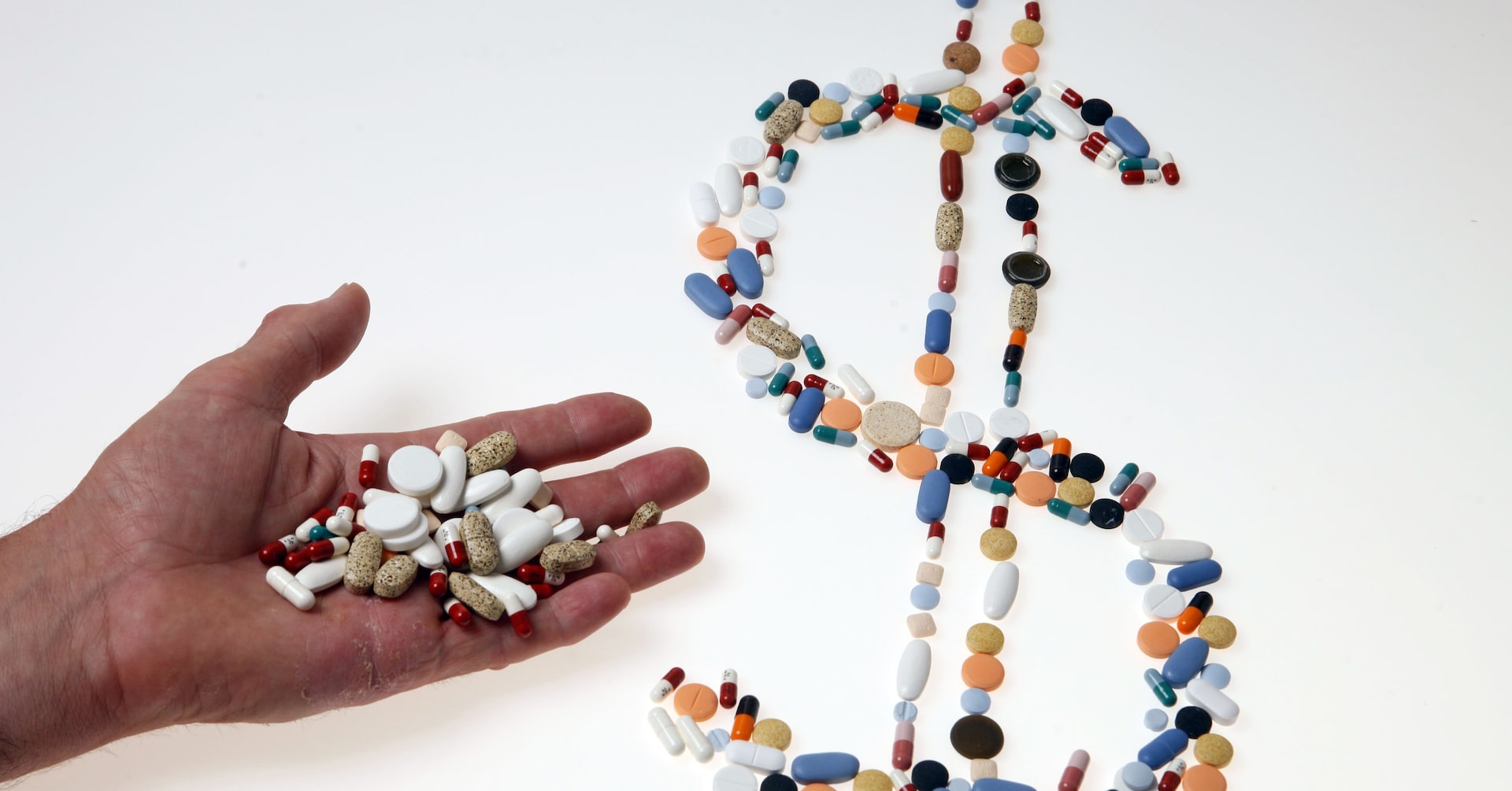
The Trump administration is preparing to announce a new set of drug-pricing agreements with several midsize biotech companies, according to Bloomberg News, which cited people familiar with the matter and was reported on by Reuters [1][2]. The announcement was expected the following Monday. Neither report named which companies would be involved, and Reuters said it could not independently verify the account [1].
Under the voluntary deals, participating drugmakers would discount outpatient drugs sold to state Medicaid programs so that the price a state pays lines up with what the company charges in other countries [1][2]. States are not required to take part — participation by state Medicaid programs is optional [1][2]. This structure mirrors the "most-favored-nation" approach the administration has used in earlier rounds of deals.
This would add to a list that already includes 17 pharmaceutical companies that have struck similar voluntary agreements to lower prices for Medicaid and for people paying cash, including Pfizer, Eli Lilly, and Amgen [1]. As part of that broader push, the administration has also secured price cuts for GLP-1 drugs and an expansion of Medicare coverage for obesity treatments [1]. The reports do not specify which GLP-1 makers, doses, or price levels were affected in those earlier deals, and no GLP-1-specific terms were disclosed for this new midsize-biotech round.
The administration has said the overall pricing framework is projected to generate $64.3 billion in combined federal and state Medicaid savings over the next 10 years, a figure it first cited in May [1]. Reuters notes that Americans currently pay far more for prescription medicines than people in other wealthy countries — often close to three times as much — and that President Trump has been pressuring drugmakers to bring U.S. prices closer to what they charge abroad [1].
Why it matters for patients
For patients on GLP-1 medications such as Ozempic, Wegovy, Rybelsus, Mounjaro, Zepbound, or Foundayo, this specific announcement concerns midsize biotech companies and Medicaid, not a new GLP-1 price cut on its own. But it extends a pricing framework that has already been used to negotiate GLP-1 discounts and to expand Medicare obesity-drug coverage [1], so it signals the administration intends to keep applying this discount model broadly across the drug industry.
Because state participation in Medicaid savings is optional, whether any individual patient sees a lower price depends on whether their state's Medicaid program opts in, and on which companies and drugs are ultimately included [1][2]. The sources do not say whether any GLP-1 manufacturers are among the midsize biotechs involved in this new round, so it is not yet known whether this specific deal will touch semaglutide or tirzepatide pricing.
What happens next
The administration was expected to formally announce the new agreements the Monday following the August 26, 2026 report [1][2]. The names of the participating companies, the specific drugs covered, and the discount terms had not been disclosed as of the reporting date. It is not yet known whether GLP-1 drugmakers will be part of this round or whether additional Medicare or Medicaid changes for obesity treatment coverage will follow.
Images from the sources
Sources
Semaglutides.org is for information only and is not medical advice. Always talk to a licensed healthcare provider about your own care. Some links to telehealth services are affiliate links, labeled where they appear.