Zepbound label revision keeps dual weight and sleep apnea indications with different dose floors
Eli Lilly's revised Zepbound label, dated 8/2026, keeps two separate uses for tirzepatide with different minimum effective doses for weight loss versus sleep apnea, and confirms the lowest dose is only a starting point, not a long-term dose [1].
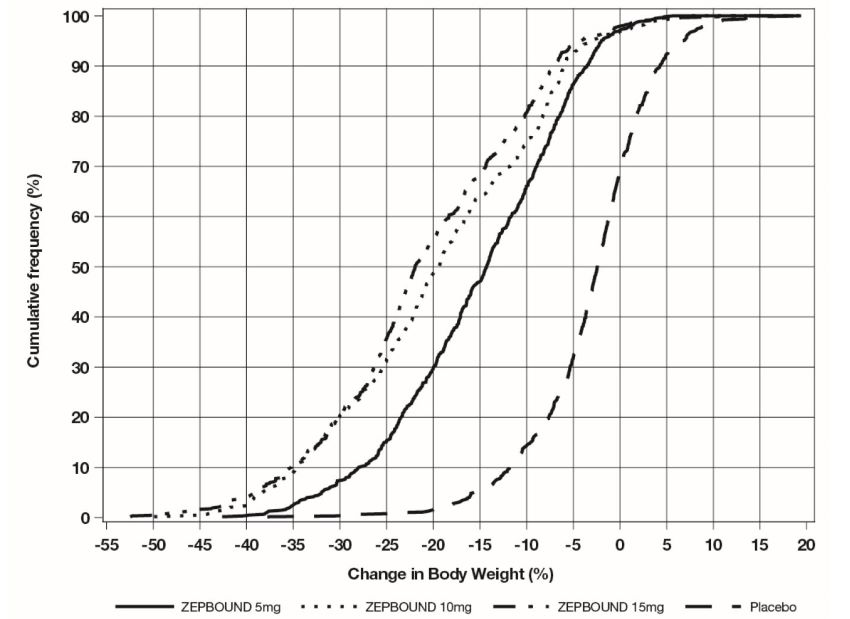
Eli Lilly has issued an updated prescribing label for Zepbound (tirzepatide), revised as of August 2026, that preserves the drug's two FDA-approved uses but keeps them on separate dosing tracks [1]. Zepbound remains indicated, along with diet and exercise, to reduce and maintain weight loss in adults with obesity or with overweight plus at least one weight-related health condition, and separately to treat moderate to severe obstructive sleep apnea (OSA) in adults with obesity [1].
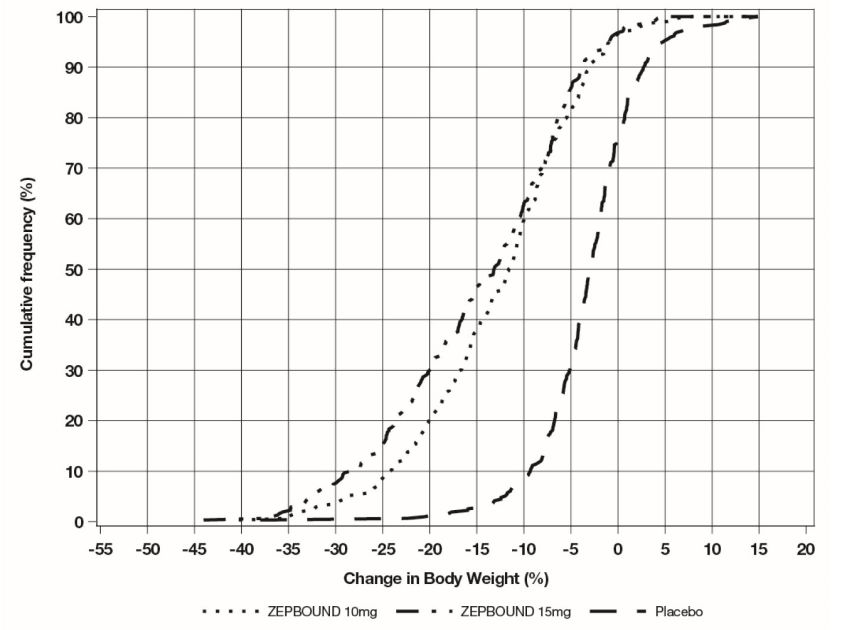
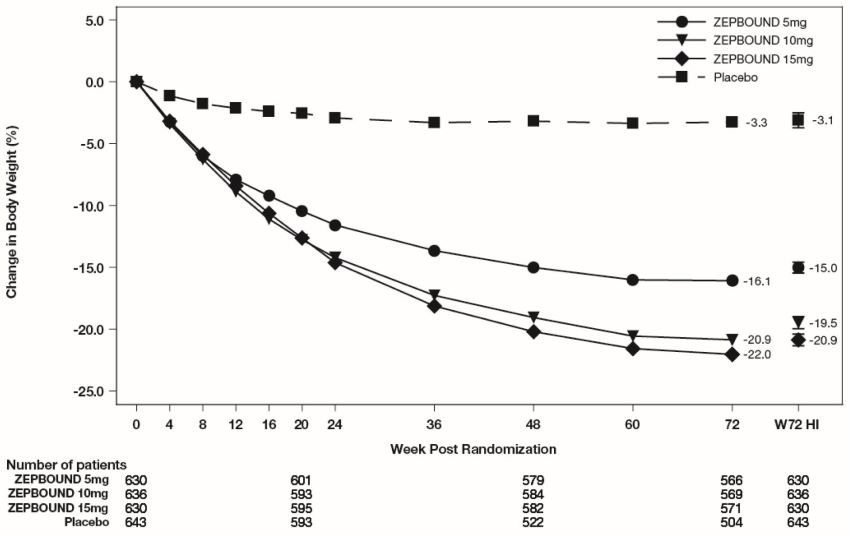
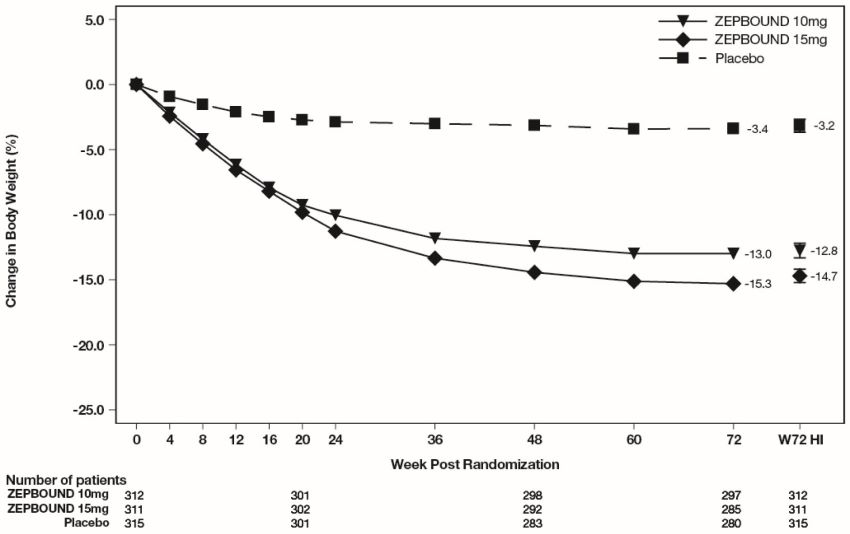
The label spells out different dose floors for each use. For weight reduction and long-term weight maintenance, the approved maintenance doses are 5 mg, 10 mg, or 15 mg injected once weekly [1]. For obstructive sleep apnea, the maintenance dose must be higher: only 10 mg or 15 mg once weekly are approved, meaning the 5 mg dose is not authorized for sleep apnea treatment [1]. The maximum dose for either use is 15 mg weekly [1].
All patients still start at 2.5 mg once weekly for four weeks, then increase in 2.5 mg steps at intervals of at least four weeks until they reach a maintenance dose, with the prescriber weighing response and tolerability along the way [1]. The label is explicit that 2.5 mg is a starting dose only and is "not approved as a maintenance dosage" for either indication [1]. Zepbound also carries a boxed warning about thyroid C-cell tumors seen in rat studies, and it is contraindicated for anyone with a personal or family history of medullary thyroid carcinoma or Multiple Endocrine Neoplasia syndrome type 2 [1]. The label states that safety and effectiveness have not been established in pediatric patients [1].
The August 2026 revision follows a string of earlier updates to this label. Sections on severe gastrointestinal adverse reactions and on never sharing a Zepbound KwikPen between patients were revised in February 2026 and January 2026, respectively, and a warning about diabetic retinopathy complications in patients with type 2 diabetes was added in August 2026, the same month as this revision [1]. A prior warning about suicidal behavior and ideation was removed from the label in February 2026 [1]. Lilly also lists common side effects occurring in 5% or more of patients, including nausea, diarrhea, vomiting, constipation, abdominal pain, dyspepsia, injection site reactions, fatigue, hair loss, and gastroesophageal reflux disease [1].
Why it matters for patients
The distinction between the two dosing floors matters because it shapes what a patient can expect from a prescription depending on why they are taking Zepbound. Someone using the drug purely for weight management may stay on 5 mg long term if that dose controls their weight adequately, according to the label [1]. But someone being treated for obstructive sleep apnea cannot remain on 5 mg as a maintenance dose — the label requires reaching at least 10 mg for that indication [1]. Patients switching between goals, or those unsure which indication their prescription is written for, may want to understand which dosing rule applies to their treatment plan, since the label treats the two uses differently rather than allowing one dose schedule to cover both [1].
The persistence of the boxed warning and contraindications also underscores that Zepbound is not appropriate for everyone, particularly those with a personal or family history of certain thyroid cancers [1]. And because pediatric safety and effectiveness remain unestablished, the label offers no dosing guidance for use in children [1].
What happens next
The label reflects revisions through August 2026, including recent changes to warnings sections in January, February, and August of that year [1]. The sources do not indicate whether further label changes are planned or under review, so any additional updates are not yet known [1].
Images from the sources
Sources
Semaglutides.org is for information only and is not medical advice. Always talk to a licensed healthcare provider about your own care. Some links to telehealth services are affiliate links, labeled where they appear.