Target-trial analysis links GLP-1 use to modestly lower obesity-related cancer risk
A large study comparing diabetes drugs found GLP-1 users had a 7% lower rate of obesity-related cancers than those on an older drug class, but the finding conflicts with a review of randomized trials and is not yet settled.[1]
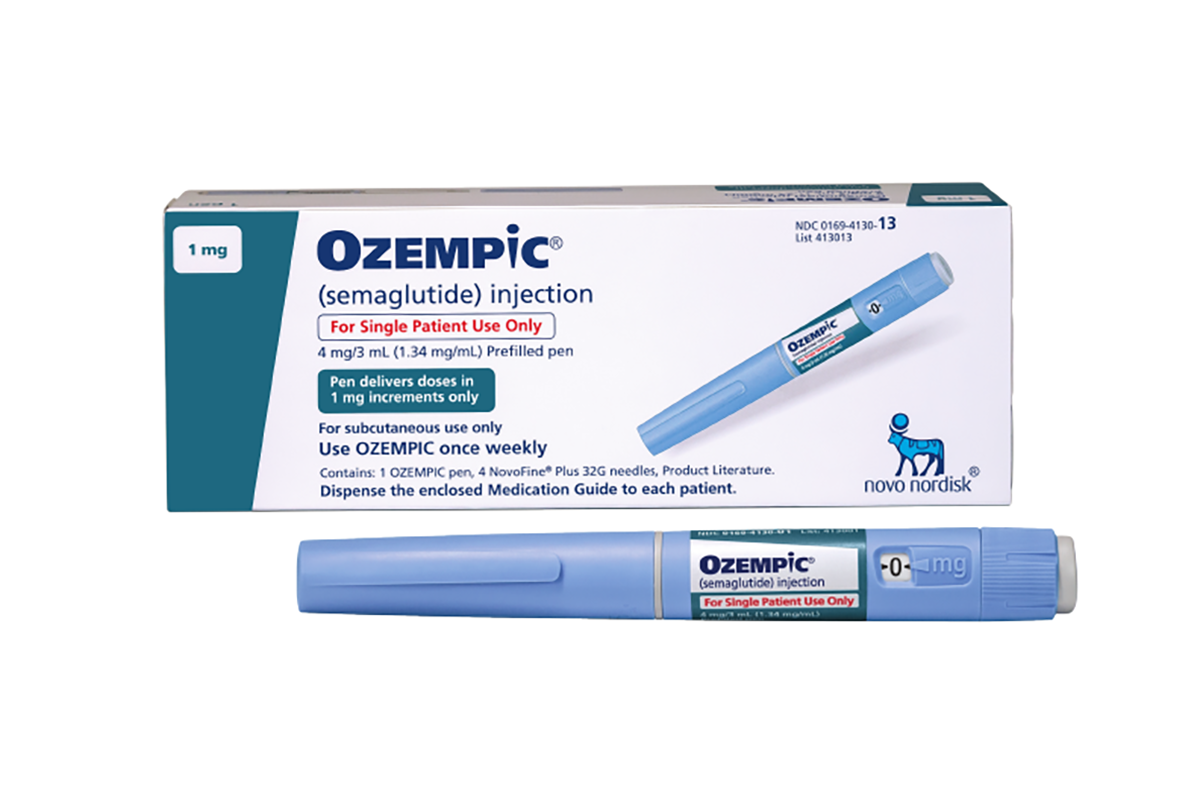
A new analysis presented ahead of the 2025 American Society of Clinical Oncology annual meeting found that adults with type 2 diabetes and obesity who took GLP-1 receptor agonists had fewer obesity-related cancers than similar patients who took a different diabetes drug, DPP-4 inhibitors.[1] The study tracked 170,030 adults treated at 43 U.S. health systems between 2013 and 2023, all with type 2 diabetes and a body mass index of at least 30.[1]
Over an average follow-up of 3.9 years, researchers counted 2,501 new obesity-related cancers among patients who started on a GLP-1 drug, compared with 2,671 among those who started on a DPP-4 inhibitor.[1] That worked out to a 7% lower relative risk of developing one of 14 cancers linked to obesity, including colorectal, pancreatic, and postmenopausal breast cancer, among other cancers of the digestive tract and female reproductive organs.[1] The GLP-1 group also had an 8% lower risk of death from any cause.[1] When researchers looked at specific cancer types, the reduced risk appeared concentrated in colon and rectal cancer.[1]
Most patients in the study took liraglutide, an earlier and less potent GLP-1 drug, though some took the newer, stronger semaglutide.[1] The study used propensity score matching, a statistical technique meant to make the two comparison groups as alike as possible in the absence of a randomized trial, and the two groups each included 85,015 patients with an average age of 56.8 and an average BMI of 38.5.[1]
Lead researcher Lucas Mavromatis, a medical student at NYU Grossman School of Medicine, said the long-term cancer effects of GLP-1 drugs have been unknown even though patients often ask about them.[1] ASCO president Robin Zon called the results "an intriguing hypothesis" rather than proof, and ASCO chief medical officer Julie Gralow said the scale of GLP-1 use, an estimated 12% of U.S. adults according to a KFF survey, makes the question worth studying with stronger evidence.[1]
That stronger evidence is exactly where the picture gets murkier. A separate 2026 review pooling data from 48 randomized controlled trials reached a different conclusion, finding that GLP-1 drugs probably have little or no effect on the risk of obesity-related cancer. The two bodies of research have not been reconciled, and it is not yet known which set of findings will hold up as more data accumulate.
Why it matters for patients
This is an observational study, not a randomized trial, so it can show an association but cannot prove that GLP-1 drugs cause lower cancer risk.[1] Mavromatis himself said a randomized trial large and long enough to settle the question would be difficult to run.[1] The conflicting conclusion from the trial-based meta-analysis is a reminder that early, encouraging signals in medicine sometimes do not hold up once tested more rigorously.
For patients currently taking or considering a GLP-1 drug for diabetes or weight management, this research does not change the established reasons doctors prescribe these medications, which include blood sugar control, weight loss, and cardiovascular benefits.[1] Any cancer-related effect, if real, appears modest and specific to certain cancer types rather than a broad protective effect.[1]
What happens next
The target-trial emulation findings were presented at ASCO's 2025 annual meeting, held May 31 through June 3, 2025, in Chicago.[1] Researchers involved in that study have said a non-diabetic population would also be worth studying to see whether similar patterns hold outside people with type 2 diabetes.[1] No timeline for such a study, or for reconciling it with the 2026 randomized-trial meta-analysis, is described in the sources reviewed for this article.
Sources
Semaglutides.org is for information only and is not medical advice. Always talk to a licensed healthcare provider about your own care. Some links to telehealth services are affiliate links, labeled where they appear.