Case report: a pen-handling error delivered four weekly semaglutide doses at once
A case report describes a patient who injected four weekly semaglutide doses at once after misreading his pen, developing burning skin sensations instead of the severe nausea doctors expected.
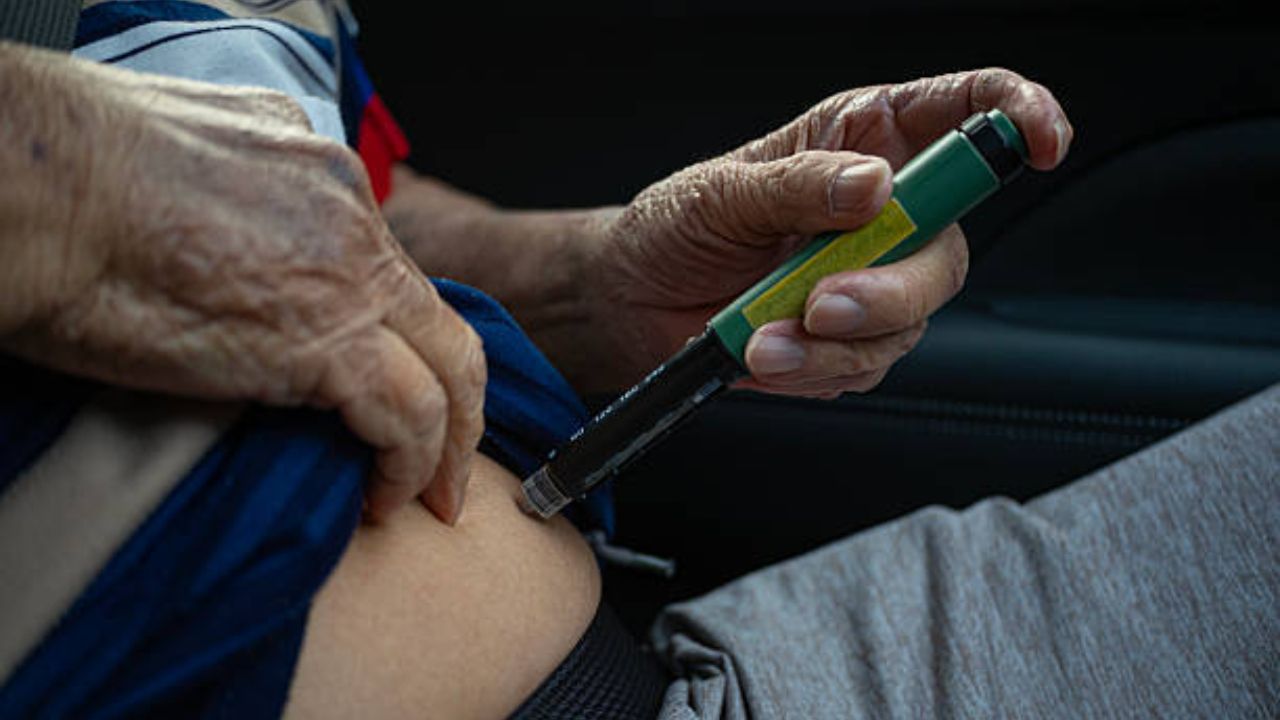
A 50-year-old man taking weekly semaglutide injected four times his prescribed dose in a single sitting after a mix-up with his injection pen, according to a case report published in JACEP Open, the open-access journal of the American College of Emergency Physicians [1]. He had taken his usual 2.4 mg dose, then looked at the pen and saw liquid still in the cartridge. Believing the shot had failed, he kept injecting until the pen was empty, delivering a total of 9.6 mg, four times his weekly amount [1].
Two days later, the man developed generalized burning skin sensations, known clinically as dysesthesia, along with marked weakness [1]. He did not develop nausea, vomiting, or abdominal pain, the symptoms most commonly expected after a large semaglutide overdose [1]. Clinicians who wrote up the case flagged this as notable because it did not follow the typical pattern seen in prior overdose reports [1].
The report is a single case, meaning it describes one patient's experience and cannot be generalized to predict how other people would respond to a similar dosing error [1]. It adds to a small but growing body of published accounts describing accidental semaglutide overdoses tied to pen-handling mistakes, part of a recognized reporting category in adverse event databases as more patients handle injectable GLP-1 pens themselves at home [1].
Why it matters for patients
This case is a reminder that self-injected GLP-1 pens carry a risk of dosing errors that would not occur with a pharmacist or clinician administering the shot. The patient in this report misread a normal design feature of his pen, assuming leftover liquid meant a failed injection, when in fact it did not, and that misunderstanding led him to give himself several times his intended dose [1].
The case also shows that the standard warning signs of semaglutide overdose, primarily severe nausea and vomiting, may not appear the same way in every patient. This particular patient instead experienced widespread burning skin sensations and weakness, symptoms that are not the ones patients or even clinicians might expect to look for [1]. Because this is one case, it is not yet known how common this alternate symptom pattern is, or what proportion of overdose patients might experience something similar rather than the classic gastrointestinal reaction.
The broader context matters too. As more people fill and administer weekly GLP-1 injections at home without direct supervision, pen-handling errors are already tracked as a distinct category in adverse event reporting systems [1]. This case adds one documented example to that category, but the sources do not provide data on how frequently such errors occur across the broader patient population, nor do they specify which pen device or manufacturer was involved.
What happens next
The case report itself does not describe any regulatory action, device design change, or updated labeling guidance tied to this incident [1]. It is not known from the available sources whether the FDA or the manufacturer has reviewed this report or plans changes to pen instructions as a result. What is documented is that the report has been published and made freely available through PubMed Central, adding to the small published literature that clinicians and researchers can draw on when evaluating future overdose cases [1].
Sources
Semaglutides.org is for information only and is not medical advice. Always talk to a licensed healthcare provider about your own care. Some links to telehealth services are affiliate links, labeled where they appear.