China approves Wegovy for MASH, the first GLP-1 cleared for the liver disease there
China's regulator cleared Wegovy (semaglutide) for the liver disease MASH, the first GLP-1 approved for that use there — a signal of how these drugs are expanding beyond weight and heart risk.
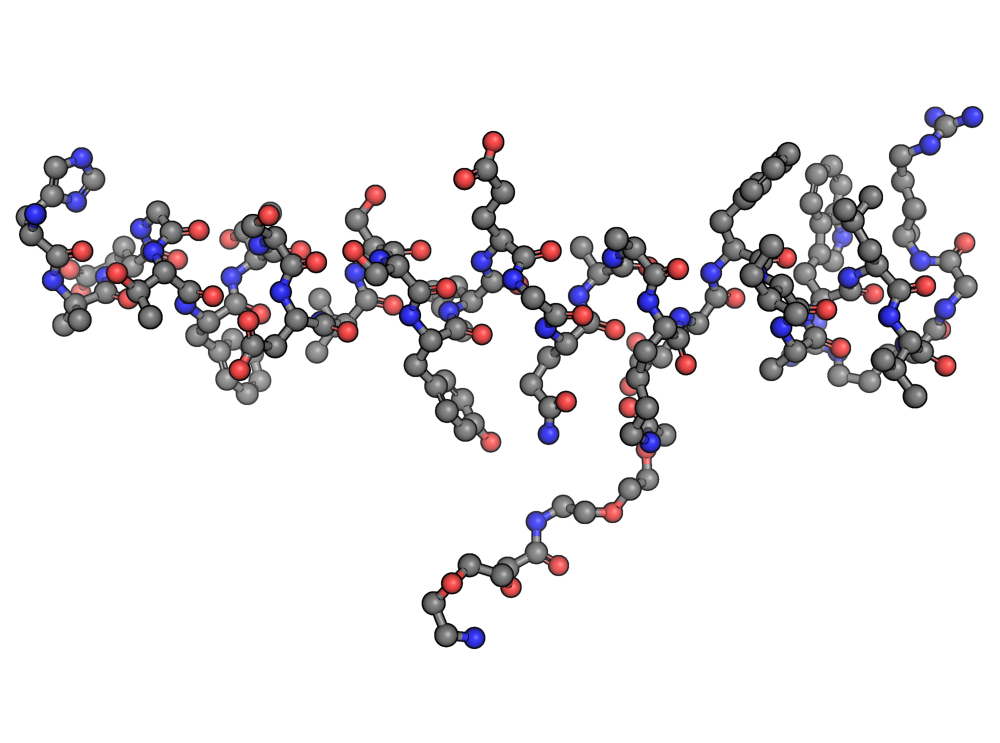
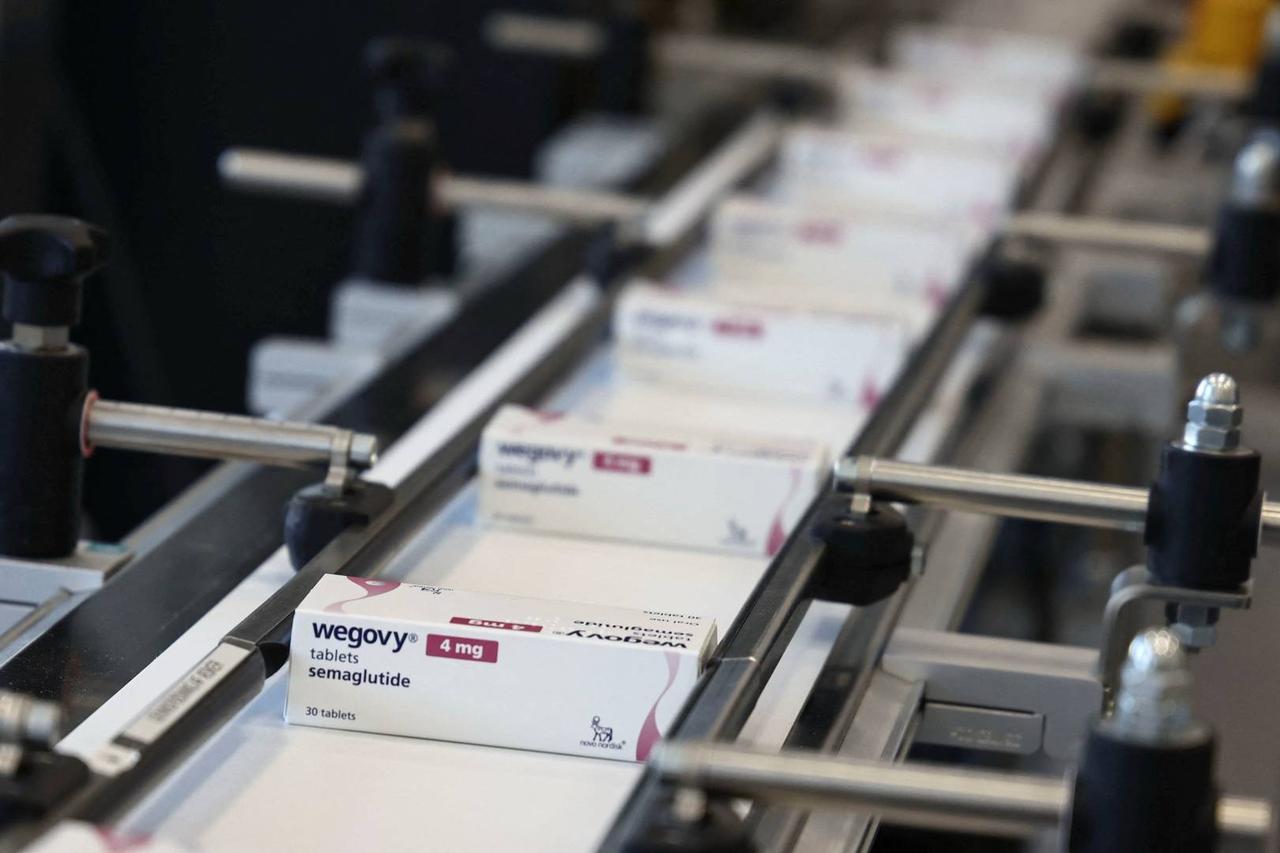
Novo Nordisk said on September 10, 2026 that Chinese regulators approved Wegovy (semaglutide) for metabolic dysfunction-associated steatohepatitis, or MASH, making it the first medicine in the GLP-1 class cleared in China for the liver disease [1]. The news was reported by MedWatch the same day and summarized by Dealroom.co, which notes this data comes from Dealroom.co [1][2].
MASH is a serious form of fatty liver disease in which fat buildup drives inflammation and scarring in the liver. In advanced stages it can progress to cirrhosis and liver failure [1]. According to the announcement, the Chinese clearance covers adults with non-cirrhotic MASH who have moderate to advanced fibrosis — scarring at stages F2 to F3. The published reports reviewed here do not spell out the full Chinese label wording, so other details of who qualifies are not yet clear from these sources [1][2].
"The liver health-related benefits evidence extends the established evidence for Wegovy from weight management and cardiovascular health to liver health, further supporting its role in the comprehensive management of obesity and related complications," the company said in a statement [1].
China is described as one of the largest patient markets for MASH, and the approval extends Wegovy's label there from weight management and cardiovascular risk reduction into liver disease [1]. Novo markets the same semaglutide medicine under the Kayshild brand name in Europe [2].
Several practical details were not disclosed. The sources do not include a Chinese launch date, a price, or any plan for reimbursement through China's national insurance system. They also do not describe the specific trial results, dosing, or safety information that supported the Chinese decision, or how the approval relates to regulatory action in the United States or Europe. Those points are not yet known from the available reporting [1][2].
Why it matters for patients
For people in the US, a Chinese approval does not change what a prescription label says here. Regulatory decisions are country by country, and the terms of a US label — including which patients a drug is approved for and what the prescribing information says — are set by the Food and Drug Administration, not by China's regulator. Nothing in these sources addresses US availability, insurance coverage, or pricing for semaglutide in liver disease [1][2].
What the decision does show is the direction the GLP-1 field is moving. Semaglutide started as a diabetes and then a weight-management drug, later adding cardiovascular risk reduction, and is now being positioned by its maker as a treatment for a complication of obesity that affects the liver [1]. That framing matters because many people taking these medicines for weight also have fatty liver disease without knowing it, and MASH often produces no symptoms until scarring is advanced [1].
It also matters commercially. Dealroom.co noted the approval opens a significant new market for the Danish company at a time when competition in the obesity-drug market is intensifying [1]. More approved uses can eventually widen the pool of patients whose insurers are asked to pay, though coverage rules in the US are set separately by each plan and are not addressed in these sources.
Finally, the gap between approval and access is real. An approval establishes that a regulator accepted the evidence; it does not by itself set a launch date, a price, or reimbursement. Novo has disclosed none of those for China so far [1][2].
What happens next
- September 10, 2026: Novo Nordisk announced the Chinese approval of semaglutide injection for MASH [1].
- Still unannounced: a China launch date, price, and whether the indication will be covered by public insurance. The sources give no timeline for those decisions [1][2].
Anyone weighing what this means for their own care should talk with a clinician who knows their liver test results and medical history. This article describes a regulatory action only and is not guidance about treatment.
Images from the sources
Sources
Semaglutides.org is for information only and is not medical advice. Always talk to a licensed healthcare provider about your own care. Some links to telehealth services are affiliate links, labeled where they appear.