CMS says it kept Bridge outreach deliberately limited while manufacturers advertised the program
CMS says it kept its own advertising for the new $50 Medicare GLP-1 Bridge deliberately small while Eli Lilly and Novo Nordisk ran their own ads, raising questions about who patients can trust for accurate program details.
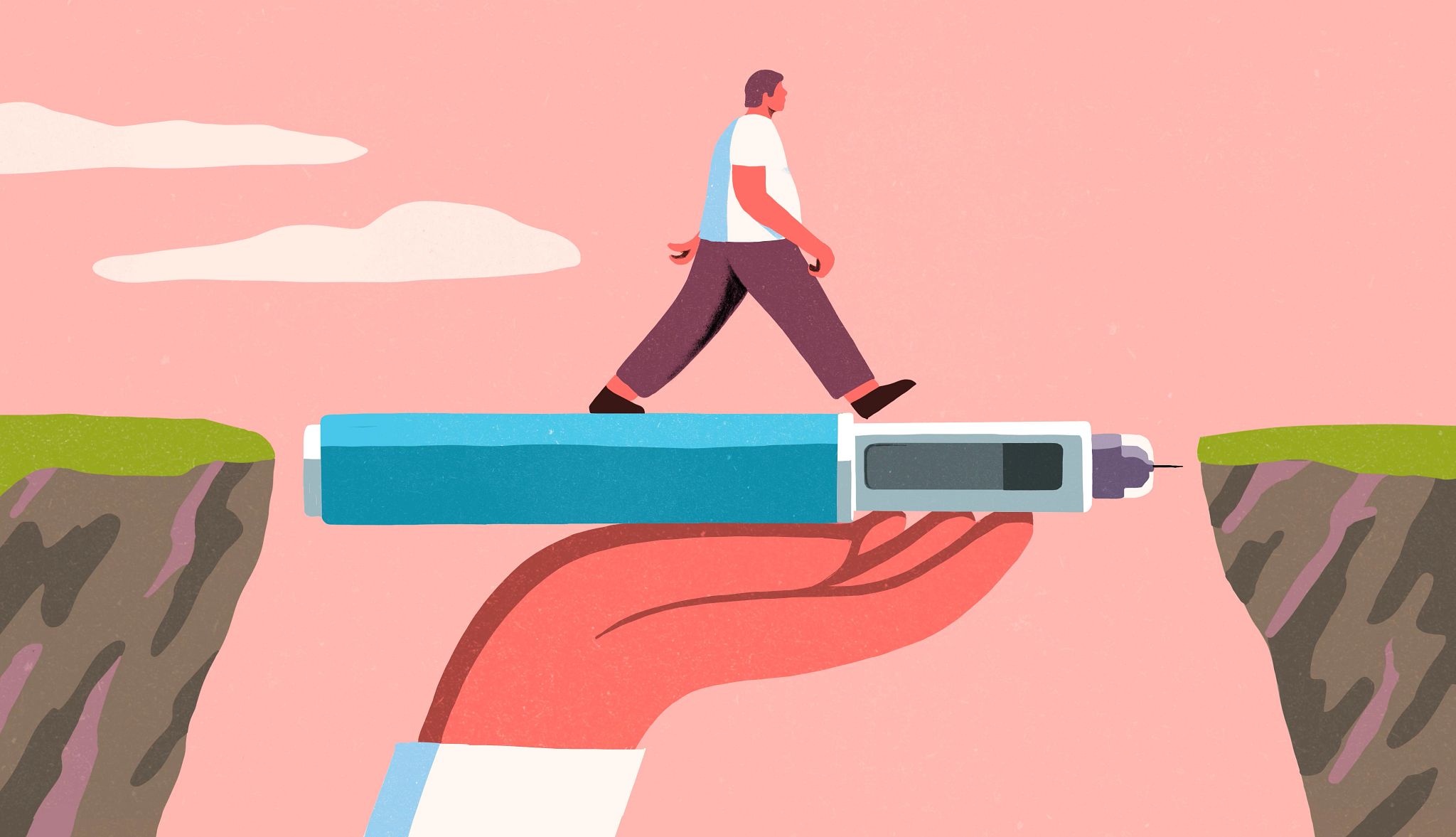
The Medicare GLP-1 Bridge, a temporary Centers for Medicare & Medicaid Services demonstration, opened on July 1, 2026, letting eligible Part D beneficiaries get certain GLP-1 medicines for chronic weight management at a $50 monthly copay [2]. The program is scheduled to run through December 31, 2027 [2]. A CMS official reportedly told a press briefing that the agency chose to keep its own outreach limited in the early weeks because beneficiaries tend to act on information only when they can use it right away, and that CMS planned to expand promotion as the Bridge matures.
While CMS held back, drugmakers moved ahead with their own campaigns. Eli Lilly and Novo Nordisk reportedly ran social video and television commercials naming the Bridge for Foundayo and Zepbound, and a separate Wegovy commercial cited the $50 price without naming the program itself. The Patient Advocate Foundation also promoted a Bridge explainer through a newsletter that reaches close to 400,000 people, an effort distinct from CMS's own communication plan.
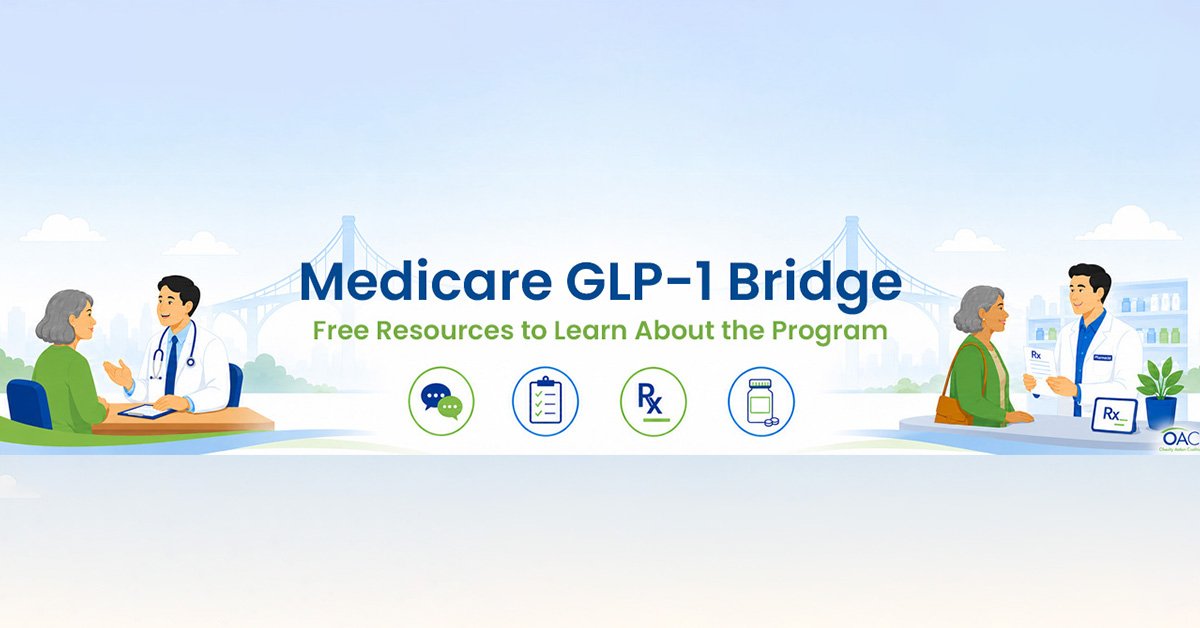
The Bridge itself works differently from standard Part D coverage. CMS set up a separate nationwide process to handle prior authorization, pharmacy claims, and payment, meaning beneficiaries, prescribers, and pharmacies are all learning a new system at the same time [2]. The Obesity Action Coalition, which has pushed for broader access to obesity treatment, said in an August 26, 2026 post that "education and communication are especially important" during these first weeks, and pointed beneficiaries to its own Medicare Bridge Resource Hub for help with eligibility, prior authorization, and pharmacy questions [2]. AARP has likewise published guidance on Bridge eligibility and the $50 price for beneficiaries trying to understand whether they qualify [1].
Why it matters for patients
For beneficiaries trying to figure out if they qualify for the $50 copay, the gap between CMS's cautious rollout and manufacturers' ad campaigns means much of what patients first encounter about the Bridge may come from drug company marketing rather than the agency running the program. That matters because the Bridge has real limits: it is a temporary demonstration, not permanent Part D coverage, and it comes with its own prior authorization and clinical eligibility rules separate from ordinary drug coverage [2]. Patients who see a Foundayo, Zepbound, or Wegovy commercial may not get the full picture of how eligibility works, what documentation a prescriber needs to submit, or how long the $50 price is guaranteed to last. Advocacy groups such as the Obesity Action Coalition and consumer organizations such as AARP are trying to fill that gap with independent explainers, but the Patient Advocate Foundation's newsletter reach of nearly 400,000 people is still small compared with national television and social media advertising from Lilly and Novo Nordisk. CMS has said it will step up its own outreach over time, but the sources reviewed here do not specify a firm date for when that expanded campaign will begin or what it will include.
What happens next
The Bridge is set to continue through December 31, 2027 [2]. CMS has said the demonstration will generate data on GLP-1 utilization that could shape future Medicare drug policy, though the sources here do not detail specific reporting milestones or when CMS plans to expand its own public messaging [2]. The Obesity Action Coalition says it will keep tracking how beneficiaries experience the program and pushing CMS on access barriers as they emerge [2]. Whether CMS's outreach approach changes, and how it compares with manufacturer advertising, is not yet detailed in available program materials.
Images from the sources
Sources
Semaglutides.org is for information only and is not medical advice. Always talk to a licensed healthcare provider about your own care. Some links to telehealth services are affiliate links, labeled where they appear.