Shoppers grow skeptical as brands pile into GLP-1 marketing claims
Food companies are slapping "GLP-1 friendly" labels on more products, but consumers are growing skeptical of the vague claim, and no US or EU regulator has ever defined what it actually means.
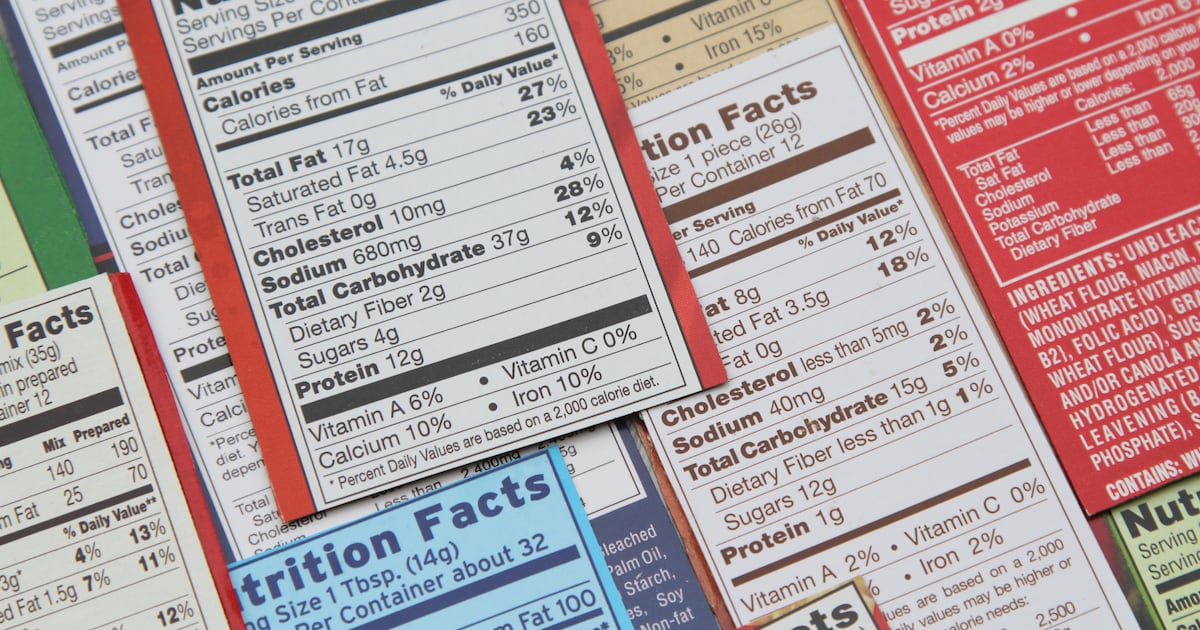
Shoppers taking GLP-1 medications are starting to look past marketing badges and read nutrition labels more carefully, according to reporting on the growing use of GLP-1-oriented claims in food marketing [1]. As more brands add this kind of messaging to packaging, generic "GLP-1 friendly" claims appear to be losing their pull with consumers who are becoming more selective about which claims they trust [1].
The skepticism has a basis in fact. Neither the US Food and Drug Administration (FDA) nor the US Department of Agriculture (USDA) has defined what "GLP-1 friendly" means, even as manufacturers put the phrase directly on packaging [2]. Conagra uses the exact phrase "GLP-1 Friendly" on its Healthy Choice products [2]. Nestlé did not use that specific wording when it launched its Vital Pursuit line in May 2024, but the company's later Vital Pursuit Max Pro range was positioned for people using GLP-1 medications and trying to manage their weight [2]. Smoothie King has also rolled out a menu described as offering "GLP-1 support" [2].
Because the term carries no regulatory meaning, it does not guarantee anything about a product's protein content, fiber content, or portion size, according to the analysis of the compliance gap [2]. A product can carry the label without meeting any consistent nutritional standard, since there is no government definition setting minimum or maximum thresholds for what counts as "GLP-1 friendly" [2]. Regulators have not moved to close that gap [2].
Separately, health experts have pointed to muscle, bone, and cardiovascular health as priorities for people taking GLP-1 medications and navigating midlife, which some see as an opportunity for brands to connect functional nutrition claims to consumer education rather than relying on vague wellness branding [1].
Why it matters for patients
For people using semaglutide (Ozempic, Wegovy, Rybelsus), tirzepatide (Mounjaro, Zepbound), or orforglipron (Foundayo), grocery store shelves are filling with products marketed toward their appetite changes and nutritional needs. But a "GLP-1 friendly" label by itself does not confirm that a food has the protein, fiber, or portion size that might suit someone eating less overall [2]. Two products carrying the same badge could differ substantially in what they actually contain, since no agency checks the claim against a fixed standard [2].
That gap puts more responsibility on shoppers to check the nutrition facts panel and ingredient list themselves rather than relying on front-of-package messaging [1][2]. It also means that marketing claims referencing GLP-1 medications are not the same as a medical or dietary recommendation from a clinician, since the term exists purely as a marketing device with no oversight [2].
What happens next
As of the September 9, 2026 reporting, neither the FDA nor the USDA had taken steps to define "GLP-1 friendly" or otherwise regulate the term [2]. It is not yet known from the available reporting whether either agency plans to review the claim, or whether consumer pushback described in the coverage will push manufacturers to adopt more specific, verifiable claims about protein or fiber content instead of the broader label [1][2].
Images from the sources

Sources
Semaglutides.org is for information only and is not medical advice. Always talk to a licensed healthcare provider about your own care. Some links to telehealth services are affiliate links, labeled where they appear.