Medicare sets $274 price for Ozempic, Wegovy and Rybelsus starting January 2027
The semaglutide products drop about 71 percent under Medicare's second negotiation round, but a separate lower federal price leaves the final pharmacy-counter figure unresolved.
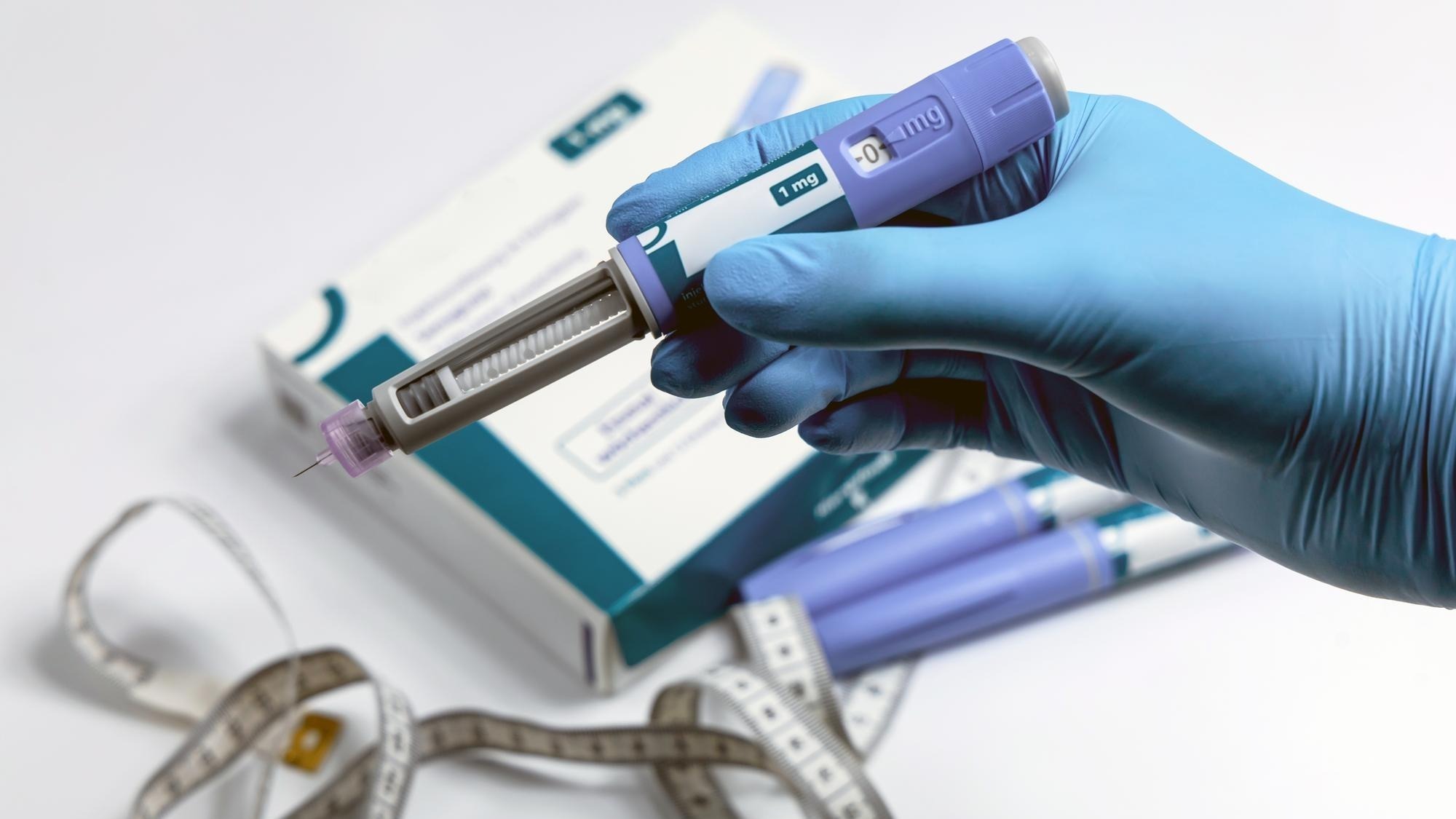
Medicare will pay a maximum fair price of $274 for a 30-day supply of Ozempic, Wegovy or Rybelsus starting January 1, 2027, down from a $959 list price, the Centers for Medicare & Medicaid Services has confirmed [2]. The three semaglutide products from Novo Nordisk are the best-known drugs in the second group of 15 whose negotiated prices were finalized under the Medicare Drug Price Negotiation Program [1][2]. CMS estimates the new prices will save Part D enrollees about $685 million in out-of-pocket costs across all 15 drugs [1].
The other 14 drugs reaching their negotiated prices on the same January date are Trelegy Ellipta, Xtandi, Pomalyst, Ibrance, Ofev, Linzess, Calquence, Austedo, Breo Ellipta, Tradjenta, Xifaxan, Vraylar, Janumet and Otezla [2]. The program's first cycle covered 10 drugs, and those prices have been in effect since the start of 2026 [1].
CMS selected this round using claims data showing that about 5.3 million people with Part D coverage filled at least one of the 15 drugs in 2024, generating $42.5 billion in gross covered drug spending and $1.7 billion in out-of-pocket costs paid directly by enrollees that year [1]. The agency has described the combination of high total spending and high beneficiary exposure as the formula behind its selections [1].
Ozempic and Rybelsus are approved for type 2 diabetes, while Wegovy carries a chronic weight-management indication plus an additional label for reducing cardiovascular risk in adults with heart disease [2]. CMS negotiates by ingredient and dosage form rather than by individual brand indication, which is why a single $274 figure applies across all three [2]. The figure represents about a 71 percent cut from the $959 list price [1][2].
The $274 is a maximum fair price, not a guaranteed pharmacy-counter amount. It applies before the standard Part D benefit structure adds its deductible, coinsurance and out-of-pocket cap, so what an individual pays depends on their plan's benefit design and where they are in the benefit year [1][2]. A beneficiary who has met the annual deductible and is in the initial coverage phase pays 25 percent coinsurance on a covered drug, which would bring a semaglutide copay to about $69 a month, compared with roughly $240 today [2]. Medicare Advantage prescription drug plans are bound by the same price as standalone Part D plans [2].
A separate federal pricing arrangement complicates the semaglutide picture. Around the time CMS finalized this negotiation cycle, the administration struck a most-favored-nation deal with Novo Nordisk setting a lower $245 price for the same GLP-1 drugs under Medicare, and reporting on the announcement indicated CMS expects that figure to supersede the negotiated price [1]. CMS has not published an accounting of how that arrangement changes its Part D savings math, and its public statements have treated the two initiatives separately rather than as a combined estimate [1]. Which price governs the transaction at the pharmacy counter has not been resolved.
Why it matters for patients
For Medicare enrollees taking semaglutide for type 2 diabetes, the change lowers the underlying price that cost-sharing is calculated from. Because the negotiated price also reduces the total drug cost that counts toward the $2,100 annual out-of-pocket threshold, some people may take longer to reach the point where their plan covers all remaining costs for the year, though they pay less per fill on the way there [2].
The $685 million figure is a projection, not a rebate mailed to enrollees. It assumes enrollment and utilization patterns similar to 2024, the most recent year CMS had complete claims data for, and could move if plan formularies change, doses shift or the number of people filling these prescriptions changes before 2027 [1]. The semaglutide share of that total is the portion most likely to be revised [1].
People using Wegovy for weight loss under a temporary Medicare pilot pay a flat $50 monthly copay instead, under eligibility rules tied to body mass index and other conditions [2]. That pilot runs through December 2027, and CMS has not indicated the two pricing tracks will merge before then [2].
What happens next
The negotiated prices take effect January 1, 2027 [1][2]. CMS has listed no contingency for delaying that date, and manufacturers that negotiated in this cycle have exhausted their appeal options [2]. The temporary weight-loss pilot is scheduled to end in December 2027, and what replaces it — or whether anything does — has not been disclosed [2].
Sources
Semaglutides.org provides information only, not medical advice. Talk to a licensed provider about your own care before making changes. Some telehealth links are affiliate links and are labeled where they appear.