Analysts say the Mounjaro heart label helps diabetes reimbursement, not obesity coverage
A new FDA heart-risk label for Mounjaro may help Eli Lilly defend diabetes coverage, but analysts say it does nothing to stop employers from cutting weight-loss benefits for Zepbound.
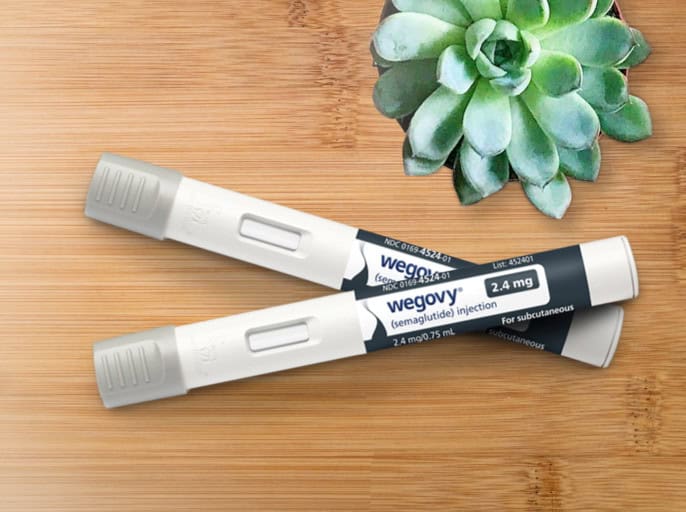
On August 28, 2026, the FDA expanded Mounjaro's label to say it reduces the risk of cardiovascular death, heart attack, and stroke in adults with type 2 diabetes who face high cardiovascular risk [1][2]. Commentary published September 1 argues the new language gives Eli Lilly a tool for defending diabetes reimbursement, but says it does not touch Zepbound's obesity label, which is where employer coverage is actually shrinking [1].
The distinction matters because of where insurance is pulling back. Employer coverage of GLP-1 weight-loss drugs fell from 72% in 2025 to 60% in 2026, and about 14% of surveyed employers have already dropped the medicines or plan to for 2027 [1][2]. That retreat is concentrated in weight-loss benefits tied to Zepbound, not diabetes treatment with Mounjaro [1].
The cardiovascular claim comes from a trial of more than 13,000 patients that found 8% fewer major cardiovascular events with Mounjaro compared with Lilly's older drug Trulicity [1]. Because the comparison was against another active GLP-1 drug rather than a placebo, the result shows Mounjaro edging out an existing therapy rather than proving GLP-1 drugs prevent cardiovascular events from a baseline of no treatment [1]. Analysts say that nuance is why the label is likely to matter most in diabetes case management, where cardiovascular risk is already factored into insurance premiums, rather than in general obesity coverage decisions [1].
Eli Lilly's finances show why the company has an incentive to make this argument. Second-quarter revenue reached $22.97 billion, up nearly 48% from a year earlier, with Mounjaro revenue rising 91% to $9.94 billion and Zepbound producing $4.93 billion [1][2]. Lilly raised its full-year revenue guidance to $85.0 billion to $87.0 billion [1]. At the same time, U.S. list prices for these drugs have been falling — down 9% to 13% depending on the quarter — while prescription volume keeps climbing, a pattern the company says will keep offsetting price declines [1][2].
Why it matters for patients
For people with type 2 diabetes who are also at high cardiovascular risk, the new label could make it easier for Mounjaro to survive a health plan's cost review, because it gives Lilly formal medical-necessity language tied to preventing heart attacks and strokes [1]. But nothing in an FDA label approval forces any insurer or employer to add or keep a drug on its formulary [1]. Coverage decisions are made separately by each health plan or employer.
For people using or considering Zepbound for weight loss alone, this approval changes nothing directly. The employer pullback from 60% coverage, with more drops expected in 2027, continues regardless of the new diabetes-heart label [1][2]. Patients without employer coverage may end up paying cash, and Lilly has already built channels for that: Zepbound is offered at $449 a month through the company's direct program for eligible patients, and a separate Medicare Bridge Program covers weight-loss use at $50 a month for about 20 million eligible Americans [1][2]. About 45% of all Zepbound prescriptions and 55% of new ones were self-pay in Lilly's most recent quarter, showing how much of the market has already shifted away from employer insurance [2].
What happens next
The key open question is whether Lilly can turn the new label into actual contract terms with insurers rather than just marketing language, something that has not yet happened as of this reporting [1]. Renewal season for 2027 employer benefits will show whether the 14% pullback figure grows or reverses, but that data was not available in these sources. It is not yet known whether cardiovascular data of this kind will eventually be used to argue for broader obesity coverage as well.
Images from the sources
Sources
Semaglutides.org is for information only and is not medical advice. Always talk to a licensed healthcare provider about your own care. Some links to telehealth services are affiliate links, labeled where they appear.