Musculoskeletal meta-analysis of 1.25 million people finds lean mass loss but no fracture signal
A new meta-analysis of 60 studies and 1.25 million people found GLP-1 drugs reduced lean body mass but showed no effect on bone density, fractures or arthritis pain — with strength barely measured [1].
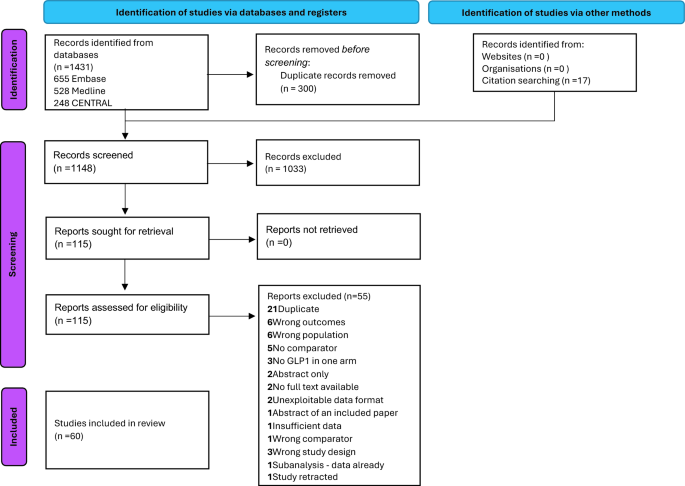
Researchers published a systematic review and meta-analysis in the journal Drugs on September 12, 2026, pooling 60 studies covering 1,250,717 people to ask what GLP-1 receptor agonists do to bones, muscles and joints [1]. The headline finding: these drugs were consistently linked to a drop in lean body mass, but showed no adverse effect on bone mineral density, fractures, or osteoarthritis symptoms [1].
The authors searched MEDLINE, the Cochrane Central Register of Controlled Trials and Embase from inception through March 2025, screening 1,148 potentially relevant references down to 60 articles — 46 randomized controlled trials, 13 real-world evidence studies and 1 pharmacovigilance study [1]. The studies covered semaglutide (sold as Ozempic, Wegovy and Rybelsus), liraglutide, exenatide, dulaglutide, tirzepatide (Mounjaro and Zepbound, a dual GIP/GLP-1 agonist) and others [1]. The review was registered in advance on PROSPERO and followed PRISMA reporting standards, and the strength of the evidence was graded using the GRADE system [1].
What the numbers show
For muscle, 28 studies contributed to the pooled estimate of change in lean body mass or fat-free mass [1]. The analysis found a significant decrease with GLP-1 drugs, reported as a standardized mean difference of 0.52 with a 95% confidence interval of −0.8 to −0.23 — a negative effect, meaning less lean mass than comparators [1]. Statistical heterogeneity was high (I² 88%, p for heterogeneity <0.0001), meaning individual studies varied a lot in what they found [1]. The result held up across all sensitivity analyses, including leave-one-out tests, and the authors found no evidence of publication bias [1].
In subgroup analyses, the lean mass effect was mainly driven by liraglutide and semaglutide, and was seen when GLP-1 drugs were compared with placebo [1]. Importantly, the authors rated the certainty of this evidence as low and concluded the lean mass changes "appeared largely related to weight loss" — that is, in line with the amount of body weight lost overall [1].
On bones, the meta-analytic models found no effect on bone mineral density at any site or on fractures at any site when the most adjusted effect estimates were used [1]. On joints, the models showed no significant change in WOMAC pain, physical function or stiffness scores — the standard questionnaire used to track osteoarthritis symptoms [1].
The authors flag a significant gap: whether the lean mass reduction "translate[s] into clinically meaningful impairments in muscle function or physical performance remains uncertain," and they call for future studies that actually measure muscle strength, function and performance, along with analyses that adjust for confounding [1]. In other words, the studies to date largely measured how much lean tissue people had, not what they could do with it.
Why it matters for patients
Losing lean mass alongside fat is one of the most-discussed concerns about GLP-1 medications, and this is one of the largest attempts so far to pool the evidence [1]. The practical takeaway is mixed. The lean mass signal is consistent across studies and survived sensitivity testing, but the certainty of that evidence is rated low and the effect tracks with overall weight loss rather than looking like a separate drug toxicity [1].
The bone findings may be reassuring for people worried about osteoporosis or breaks: across this pooled dataset, no adverse effect on bone density or fracture rates showed up in the most adjusted models [1]. The joint findings show no measured change in arthritis pain, stiffness or self-reported function [1].
What remains unknown is arguably the question patients care most about — grip strength, walking speed, stair climbing, the ability to get up from a chair. The authors state plainly that studies looking at muscle function, strength or performance are still needed [1]. A drop in scale-measured lean tissue does not automatically mean weaker muscles, but this review cannot rule it out either.
What happens next
The literature search closed in March 2025, so trials and real-world studies reported after that date are not included [1]. The review was published open access on September 12, 2026 [1]. The authors' explicit recommendation is for new research using functional endpoints and multivariate models that account for confounding factors [1]. Until those data arrive, the clinical meaning of the lean mass reduction stays an open question.
Sources
Semaglutides.org is for information only and is not medical advice. Always talk to a licensed healthcare provider about your own care. Some links to telehealth services are affiliate links, labeled where they appear.