Starbucks to end GLP-1 weight-loss coverage in October as Marsh projects 8.2% employer cost jump for 2027
Starbucks stops covering GLP-1s for weight loss in October, and a Marsh survey projects employer health costs will rise 8.2% per employee in 2027 — the biggest jump since 2003.
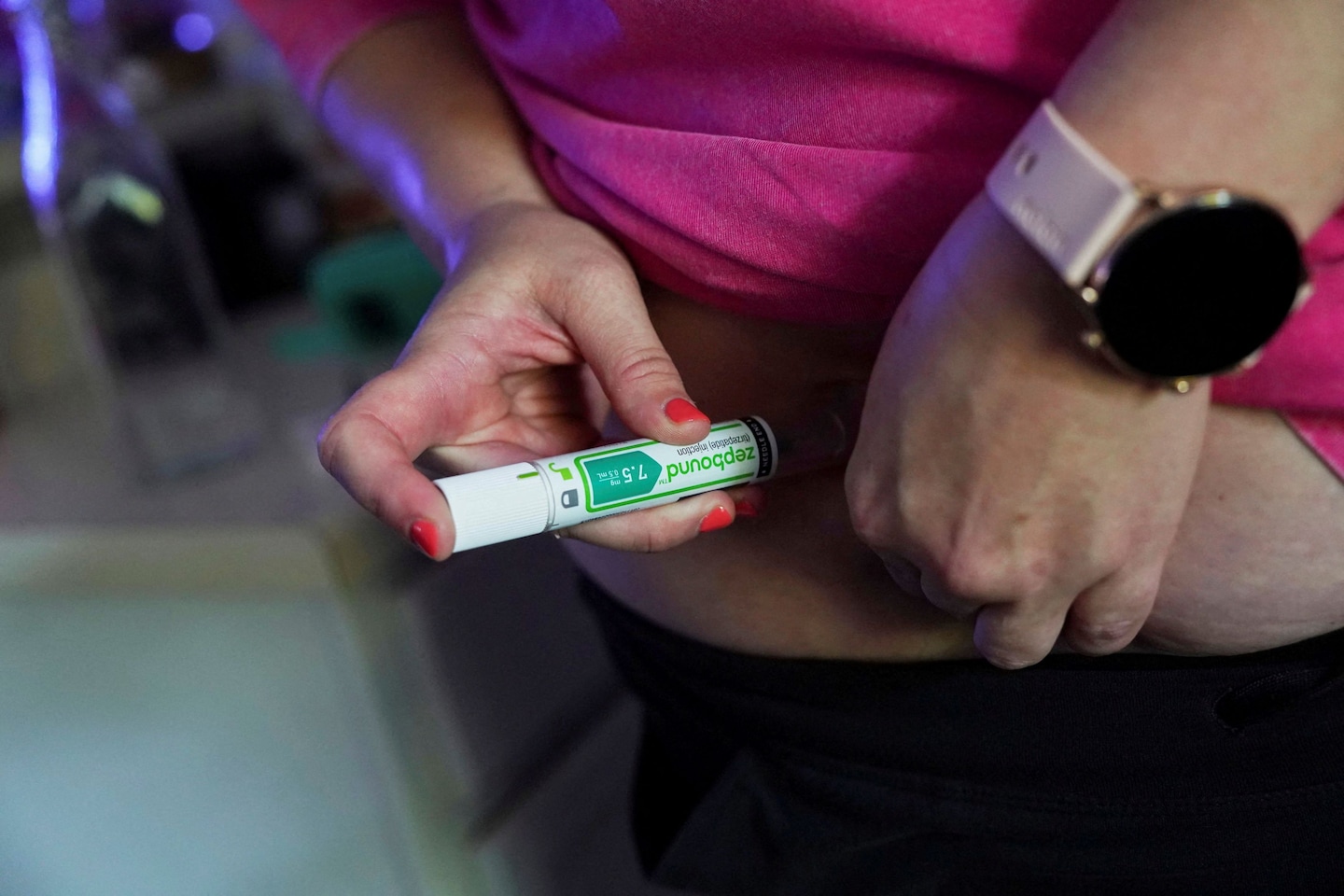
Starbucks will end coverage of GLP-1 medications for weight loss starting in October 2026, part of a broader retreat by large employers facing steep health benefit increases [2]. The move comes as Marsh's annual survey of employer-sponsored health plans projects that total health benefit cost per employee will rise 8.2% on average in 2027 — the largest increase since 2003, and that figure already accounts for companies' cost-cutting measures [2].
Weight-loss drugs are the single largest contributor to that record increase, according to reporting on the trend [1]. Starbucks is not alone. PepsiCo recently stopped covering weight-loss medications for employees other than those with diabetes, telling workers in a letter that "prescription weight loss medications have become one of the fastest-growing costs in the PepsiCo Plans" [1]. Health insurer Cigna stopped covering the drugs for its own workers over the summer [1]. Bank of America's CEO has said the company spends $250 million a year on workers' GLP-1s [1].
The numbers behind the pullback
Business Group on Health data show employer coverage of GLP-1s for obesity fell from 72% in 2025 to 60% in 2026 [2]. A separate Business Group on Health survey found two-thirds of companies currently cover drugs for weight loss, with 10% planning to drop that coverage in 2027 [1]. Those figures differ somewhat depending on the survey and how coverage is defined.
Marsh's own research points the same direction but with smaller percentages. Sara Drake, a pharmaceutical benefits expert at Marsh, said 6% of employers dropped GLP-1 coverage in 2026 and another 5% plan to drop it in 2027 [1]. A much larger share — 27% — are adding new restrictions instead, such as minimum body-mass index thresholds or requiring a diagnosis of sleep apnea or a cardiac condition [1].
"The employers really want to continue covering. They want to be an employer of choice. They recognize that this is an intervention for weight management that works," Drake said. "At the same time, they're really feeling constrained" [1].
Most employers still cover GLP-1s for people with type 2 diabetes, because poorly treated diabetes is expensive, said Matthew Rae, who analyzes employer-sponsored insurance at KFF [1]. But many are stopping there and not covering the drugs for weight loss for anyone else [1]. Rae noted that U.S. law lets companies decide whether to cover most medications — and that GLP-1s are unusual because they are used by more than 1 in 10 American adults, not a rare condition [1].
Why it matters for patients
For people who rely on these drugs, whether an employer covers them can mean the difference between a modest copay and hundreds of dollars a month, even though direct-to-consumer prices have come down [1].
Ashley Defay, who works in human resources in Chicago, started a GLP-1 at a company that covered it, then switched jobs and found her new plan did not [1]. She and her doctor sought coverage several times, citing prediabetes and a sleep apnea diagnosis, and were denied [1]. She went off the medication and regained weight, tried a compounded version for about $200 a month without success, and now pays $450 a month for brand-name Zepbound (tirzepatide) — more than a third of the $15,000 raise she got by switching jobs [1].
One practical wrinkle: most companies do not publish their formulary, the list of drugs their plan covers, so job seekers often cannot check in advance [1]. Defay said she wishes she had known before accepting the position [1].
Coverage may also be out of some employers' hands. Elliot Rosenblum, president of Symphony Consulting, drew a distinction between self-funded plans, where large employers pay medical claims from their own budgets, and fully insured plans, where the insurer bears the cost — and where insurers may simply decline to offer GLP-1 weight-loss coverage at a workable price [1].
What happens next
Starbucks' change takes effect in October 2026 [2]. The Business Group on Health figure of 10% of companies planning to drop weight-loss coverage, and Marsh's 5%, both apply to 2027 plan years [1]. Marsh also expects a good portion of the 8.2% cost increase to reach workers through plan design changes or a bigger share of premiums [2].
Rae said employers are taking a wait-and-see approach, asking how long people stay on the drugs and how coverage affects other health care use [1]. Some early studies show no short-term improvement in health or reduction in other care, even though the drugs have been shown to help with kidney, heart and liver disease — benefits that often arrive years later [1].
Images from the sources




Sources
Semaglutides.org is for information only and is not medical advice. Always talk to a licensed healthcare provider about your own care. Some links to telehealth services are affiliate links, labeled where they appear.