STEP Young: 40 percent of children aged 6 to 11 fall below the obesity threshold
Novo Nordisk says 40.4% of children aged 6 to 11 taking semaglutide fell below the obesity threshold after 68 weeks, but full data and any US approval for this age group are still pending.
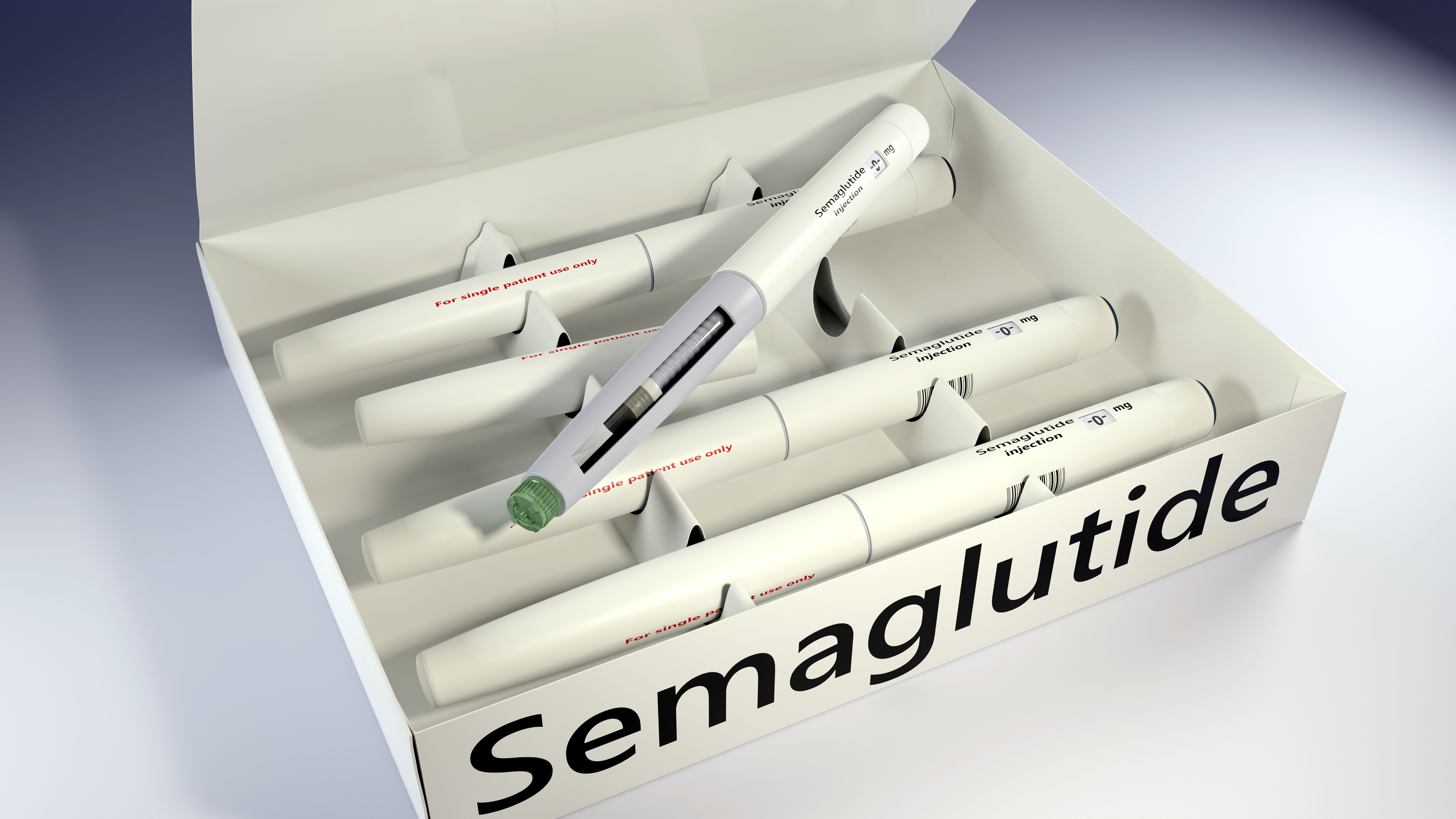
Novo Nordisk announced on September 7, 2026 the first results from STEP Young, a phase 3 trial testing once-weekly injected semaglutide in 165 children aged 6 to under 12 who have obesity [1][2]. After 68 weeks, 40.4% of children taking semaglutide were no longer classified as having obesity, compared with none (0%) of those on placebo [1][2][3].
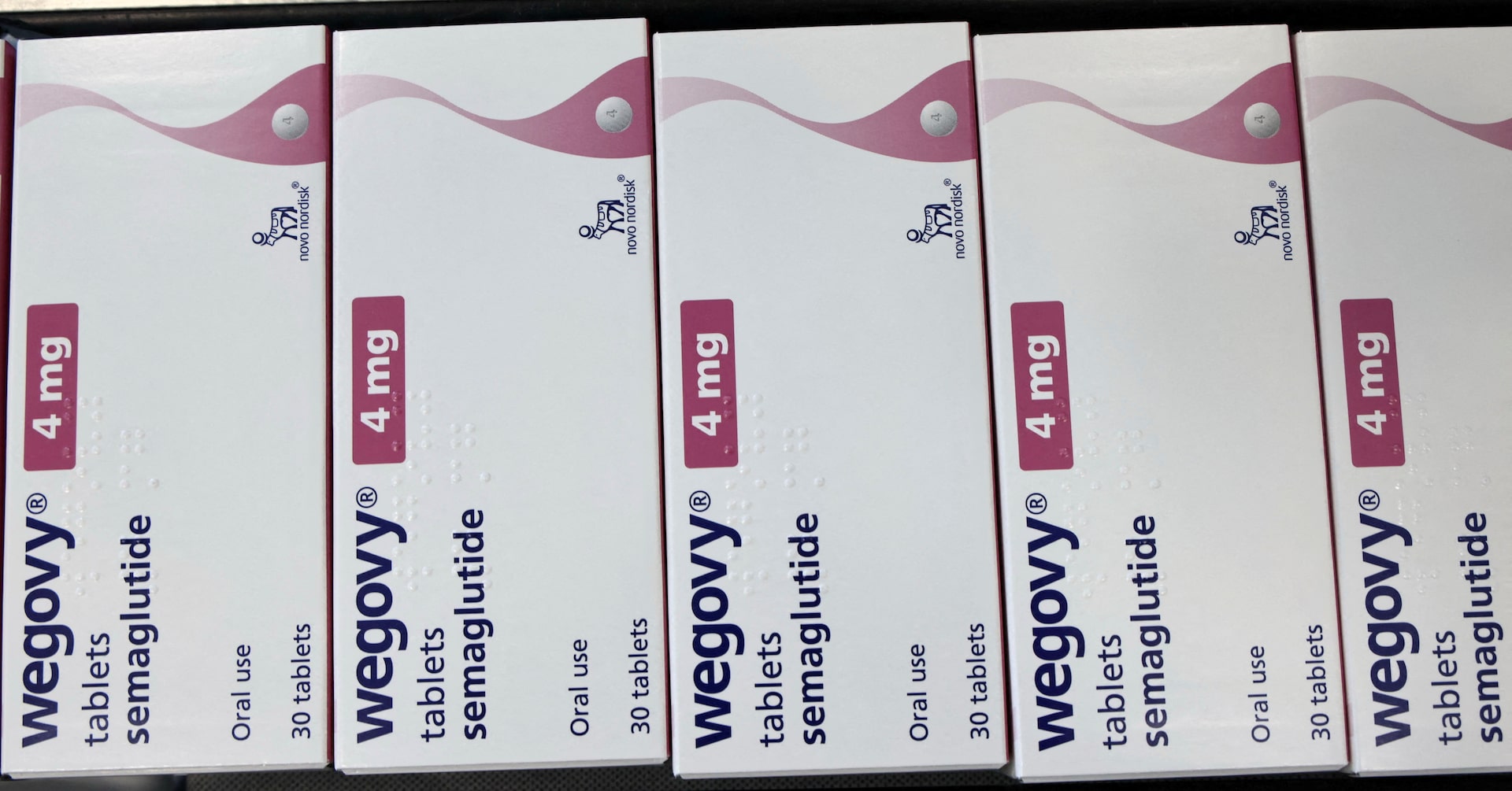
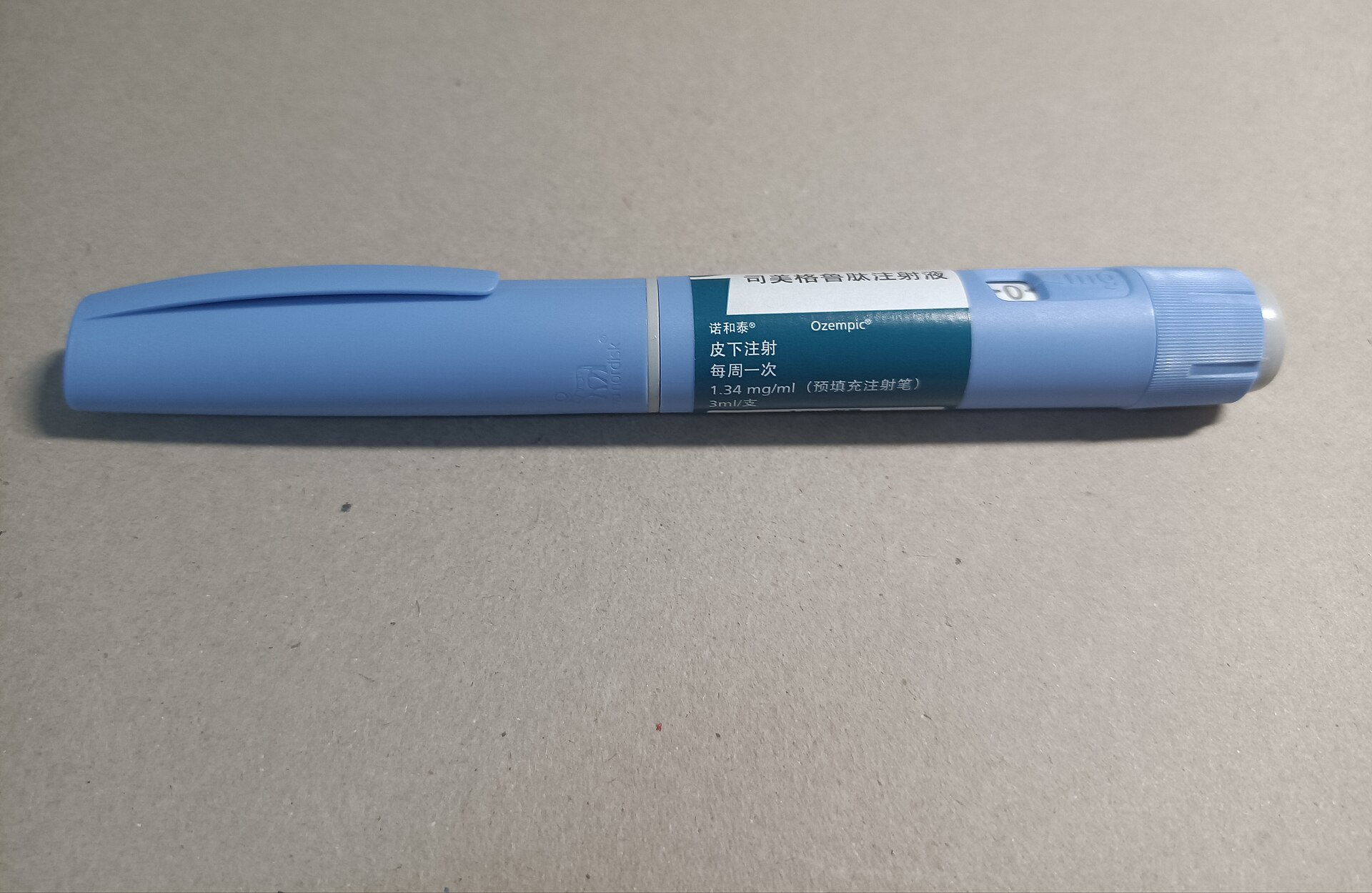
Semaglutide is the active ingredient in Wegovy, Ozempic and Rybelsus [1]. It is not approved for children under 12, and Novo's announcement did not report any new regulatory authorization for that age group [3].
What the trial measured
STEP Young was a randomized, double-blind, placebo-controlled, multinational trial [1][3]. Every child in both groups also followed a reduced-calorie diet and increased physical activity throughout the trial [1][2]. Children received a maximum weekly dose of either 1.7 mg or 2.4 mg of semaglutide, assigned based on their weight when the trial started, or placebo [1][3].
The children started out heavy: more than 85% had class II or class III obesity at baseline [1][3]. In children, obesity is defined using CDC sex- and age-specific growth charts as a BMI at or above the 95th percentile; class II is a BMI at least 120% of that 95th percentile mark and class III is at least 140% [1]. Novo says those classes correspond roughly to a BMI of 35 and 40 in adults [1].
The primary endpoint was percentage change in BMI from baseline to week 68, and Novo said the trial met it with superior BMI reduction versus placebo [1][3]. However, the topline announcement did not include the mean BMI changes, the between-group difference, confidence intervals or statistical analysis [3].
The 40.4% figure is a confirmatory secondary endpoint and is based on what statisticians call the trial product estimand, which estimates the effect if every child had stayed on assigned treatment [1][2][3]. Real-world results, where some people stop treatment, can differ.
What Novo said about safety
Novo reported that overall safety and tolerability were consistent with earlier pediatric and adult trials of semaglutide and liraglutide, with no new safety concerns identified [1][2]. The company also said no safety concerns were identified for growth or pubertal development, a key question in this age group [1].
The announcement did not disclose how often side effects occurred, how many children stopped treatment, rates of serious adverse events or rates of gastrointestinal side effects [3]. Contemporary Pediatrics noted those numbers will matter for weighing benefits against risks in younger children [3].
"Most of the children in the STEP Young trial were classified as having severe (class II or III) obesity at baseline, yet treatment with semaglutide resulted in a BMI percentile category below the obesity threshold in approximately 40% of the children within about a year of treatment," said Ania M. Jastreboff, MD, PhD, of Yale, who directs the Yale Obesity Research Center [1][3].
Why it matters for patients
For US families, the practical situation has not changed yet. Semaglutide remains unapproved for children under 12, and a company press release is not a regulatory decision [3]. Novo framed the results as supporting semaglutide's "potential to help children living with obesity who need medical treatment, alongside lifestyle changes," in a statement from chief scientific officer Martin Holst Lange [1][2].
The trial also underlines how little tested evidence exists for this age range. Novo notes there are limited clinically tested and approved treatments for children 6 to 11 when lifestyle changes alone are not enough [1], and current pediatric guidance emphasizes intensive, family-centered behavior and lifestyle treatment, with medication considered as an add-on for selected patients rather than a replacement [3].
Meanwhile, use is already happening off-label. Reuters reported that prescriptions for GLP-1 weight-loss drugs among US children under 12 have risen more than 300-fold since 2019, according to a study published September 4, 2026, even though the drugs are not approved for that age group [2].
Several questions remain open. Durability after stopping treatment, longer-term effects on growth, puberty, metabolic outcomes and psychosocial health have not been answered, and the sample was small [3].
What happens next
Detailed STEP Young results are scheduled for presentation at ObesityWeek 2026, held November 14 to 17 in Washington, DC [1][3]. The trial includes follow-up out to week 104, along with measures of cardiovascular risk factors, glucose metabolism and body composition [3]. No US filing or review timeline for children under 12 has been announced in these sources.
Images from the sources
Sources
- https://www.novonordisk.com/news-and-media/news-and-ir-materials/40-percent-of-children-achieved-BMI-below-obesity-threshold-with-semaglutide.html
- https://www.reuters.com/business/healthcare-pharmaceuticals/novo-nordisk-says-semaglutide-cut-obesity-rates-young-children-trial-2026-09-07
- https://www.contemporarypediatrics.com/view/semaglutide-improves-bmi-category-in-children-aged-6-to-11-years-in-phase-3-trial
- https://app.dealroom.co/news/note/novo-nordisk-s-semaglutide-cuts-obesity-in-young-children-in-step-young-phase-3-trial
- https://www.reuters.com/business/healthcare-pharmaceuticals/novo-nordisk-says-semaglutide-cut-obesity-rates-young-children-trial-2026-09-07/
- https://www.stocktitan.net/news/NVO/novo-nordisk-enters-next-chapter-to-bring-better-health-to-more-pd5b0i246k59.html
Semaglutides.org is for information only and is not medical advice. Always talk to a licensed healthcare provider about your own care. Some links to telehealth services are affiliate links, labeled where they appear.