Investigation finds a fake GLP-1 market on TikTok aimed at women
A gender-equality group's TikTok analysis and firsthand accounts show fake or unregulated GLP-1 products marketed heavily to women, with only partial platform removal after complaints.
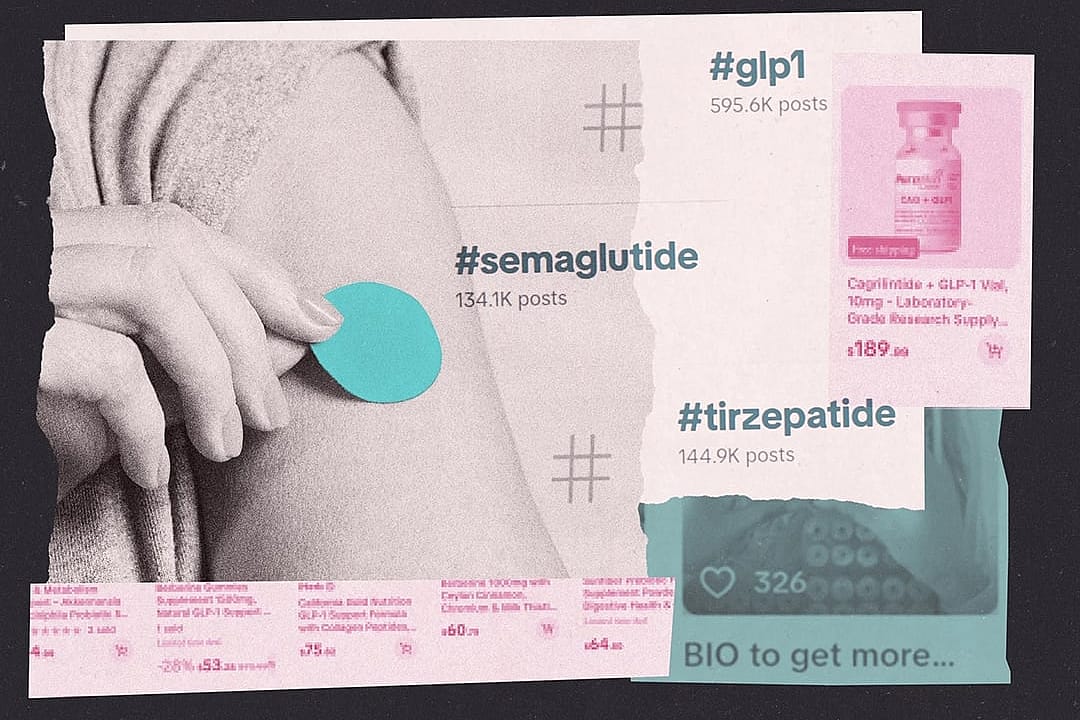
A gender-equality organization's investigation into TikTok content promoting GLP-1 weight-loss products found a widespread gray and black market aimed largely at women, with sellers using influencer-style videos and direct messages to move sales off-platform and around moderation [1].
The group, UltraViolet, analyzed more than 200 TikTok accounts in two research phases between mid-2025 and early 2026 that promoted unregulated sale of GLP-1 drugs, and found the content easily reachable through the app's own "Discover" feature and hashtags [1]. Sixty-five percent of the flagged accounts used women's images as profile pictures, some appearing to be AI-generated, and videos often paired "before and after" style content with bikinis or revealing outfits, plus claims about fertility and postpartum health [1]. UltraViolet reported all 202 accounts to TikTok for allegedly violating platform rules against trading regulated or high-risk goods, but the company removed only about 30% of them, and UltraViolet says it cannot confirm why the rest disappeared or stayed up [1]. The report also notes TikTok rolled back guideline language in September 2025 that had explicitly barred black and gray markets and discouraged redirecting buyers to off-platform messaging [1].
Some products marketed this way are not proven GLP-1 medications at all. One case cited in the report involved an Australian woman hospitalized this year for acute liver failure after taking an unregulated product she found through TikTok and Instagram [1]. Consumer Victoria Schmidt described buying "GLP-1 patches" — which do not actually contain GLP-1 medication — advertised through a relatable-seeming video; she received a different, unverified brand than what she ordered, and a second purchase from a different seller also arrived as the wrong product [1]. TikTok refunded her first purchase with store credit but not the second [1].
The report frames the surge as connected to affordability: the average U.S. list price for a GLP-1 drug runs between $936 and $1,023 a month, and only some large employer health plans cover the drugs for weight loss [1]. A 2022 shortage led the FDA to temporarily allow compounding pharmacies to sell ready-mixed GLP-1 drugs, an allowance the agency later reversed once supply stabilized, which reduced one avenue of access for some patients [1].
Why it matters for patients
Patients who cannot afford or access brand-name GLP-1 drugs like Ozempic, Wegovy, Mounjaro, or Zepbound may be more likely to encounter marketing for unverified products online, including powdered "research grade" substances that require preparation into another dosage form [1]. Because sellers often move buyers to private messages or apps like WhatsApp, transactions can happen with little verification of what is actually in the package, and the report describes cases where buyers received nothing or received mislabeled products [1]. UltraViolet's campaign director said the pattern is not niche, telling the group that most middle-aged women active on TikTok have likely seen this kind of content [1]. The report's authors argue the marketing exploits two pressures at once: a health system where many women are underinsured or uninsured, and a culture that ties women's worth to body size [1].
What happens next
The development follows FDA import alerts and warning letters issued to online peptide sellers through August and September, according to the summary of this reporting, though the specific FDA actions are not detailed in the source [1]. UltraViolet says it sent its findings to TikTok but received no response, and TikTok did not respond to a request for comment from the outlet that first reported on the investigation [1]. It is not yet known whether TikTok will change its enforcement approach, restore stricter guideline language on regulated goods, or take further action against the accounts UltraViolet identified [1].
Sources
Semaglutides.org is for information only and is not medical advice. Always talk to a licensed healthcare provider about your own care. Some links to telehealth services are affiliate links, labeled where they appear.