Tirzepatide reported to help post-bariatric hypoglycemia in three cases
Three patients with severe low blood sugar after gastric bypass surgery had fewer and milder episodes on tirzepatide, but the report covers only a handful of cases and does not establish an approved dose or treatment.
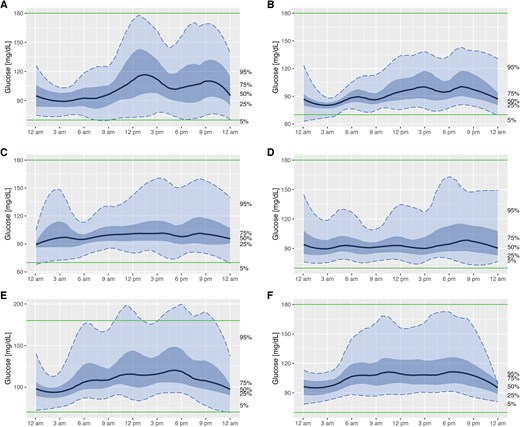
A small case series published in JCEM Case Reports describes three patients with post-bariatric hypoglycemia, a condition in which blood sugar drops dangerously low after eating, following Roux-en-Y gastric bypass surgery [1]. All three had tried diet changes, the drug acarbose, and other medications without full relief before starting tirzepatide, the GLP-1/GIP medicine sold as Mounjaro and Zepbound [1].
According to the report, all three patients spent more time in a healthy glucose range after starting tirzepatide [1]. They also had fewer hypoglycemic episodes, and the episodes that did occur were less severe [1]. The authors also noted less glucose variability, meaning blood sugar swung up and down less sharply over the course of the day [1].
The authors propose that tirzepatide worked by slowing gastric emptying, the rate at which food moves from the stomach into the small intestine [1]. Post-bariatric hypoglycemia is thought to happen partly because food rushes into the intestine too fast after bypass surgery, triggering an oversized insulin response that later drives blood sugar too low [1]. By slowing that process, tirzepatide may blunt the sharp glucose spike that follows a meal and, in turn, the crash that follows it [1].
The report is explicit about its limits. The authors state that tirzepatide's efficacy for this use needs to be confirmed in larger studies, and that the optimal dose for treating post-bariatric hypoglycemia is not known [1]. Three patients is a very small number, and a case series cannot prove that a drug caused the improvement seen, since it lacks a comparison group and controlled conditions.
Why it matters for patients
Post-bariatric hypoglycemia can be disabling. People affected by it can experience shakiness, confusion, or fainting after meals, sometimes years after their bypass surgery, and existing treatments such as dietary changes and acarbose do not always control it [1]. For patients whose symptoms have not responded well to standard approaches, this case series raises the possibility that a GLP-1/GIP medicine already approved for type 2 diabetes and weight management could help with a different problem tied to prior weight-loss surgery [1].
However, this is not an approval or a treatment guideline. Tirzepatide, sold as Mounjaro for diabetes and Zepbound for weight management, is not approved by regulators to treat post-bariatric hypoglycemia specifically, and the case report itself says dosing for this purpose is unknown [1]. Anyone with symptoms of post-bariatric hypoglycemia would need to weigh this early, limited evidence against the current lack of confirmed dosing and larger trial data, in consultation with the medical team managing their care.
It is also not yet known from this report how long the benefit lasts, whether it holds up in a larger and more diverse group of patients, or how it compares directly against other treatments already used for this condition, such as acarbose [1]. The report does not describe side effects experienced by these three patients on tirzepatide, so that information is not available from this source.
What happens next
The authors call for confirmation of tirzepatide's efficacy for post-bariatric hypoglycemia in future work and say the ideal dose remains undetermined [1]. No specific dates for further studies are given in the source. Until larger controlled research is published, this remains a preliminary finding based on three patients rather than an established treatment option [1].
Sources
Semaglutides.org is for information only and is not medical advice. Always talk to a licensed healthcare provider about your own care. Some links to telehealth services are affiliate links, labeled where they appear.