ACOG releases first GLP-1 pregnancy guidance, advises against use while pregnant
ACOG's first guidance on GLP-1 drugs around pregnancy says to stop a weight-loss medication one to two months before trying to conceive and to avoid the drugs while pregnant.
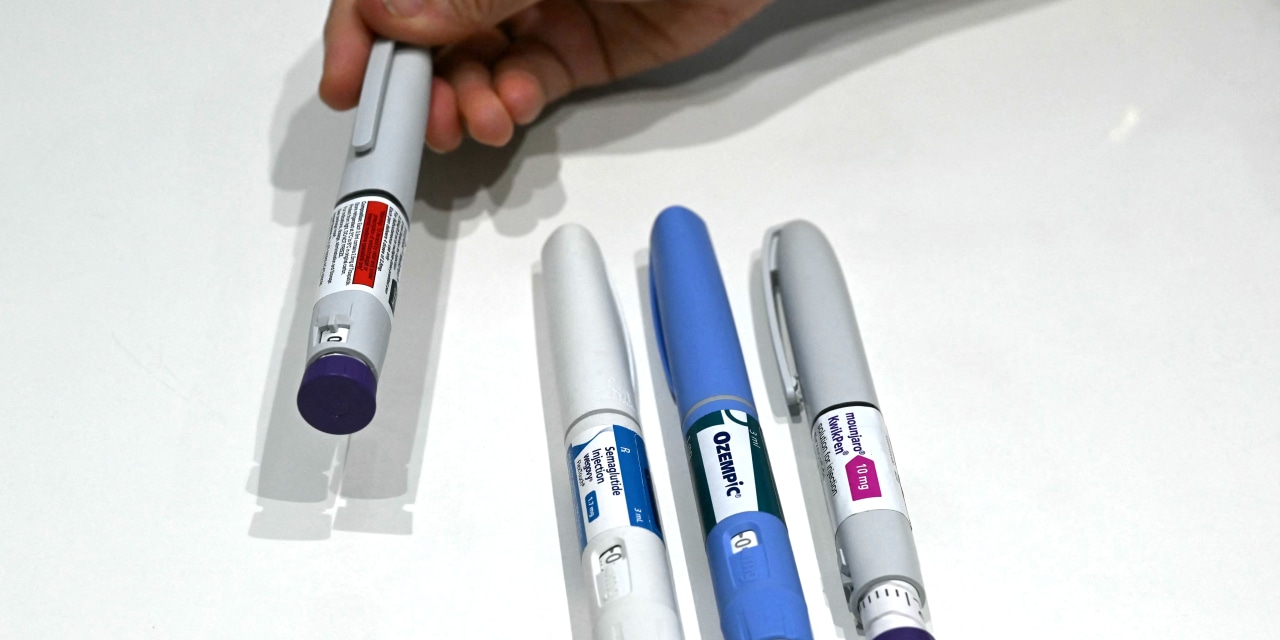
The American College of Obstetricians and Gynecologists issued its first guidance on GLP-1 drugs around pregnancy on October 23, 2026, recommending that people stop taking a GLP-1 medication for weight loss one to two months before they plan to conceive and not take one while pregnant [1]. The guidance also suggests the drugs might be OK during breastfeeding, but only after a baby's first month [1].
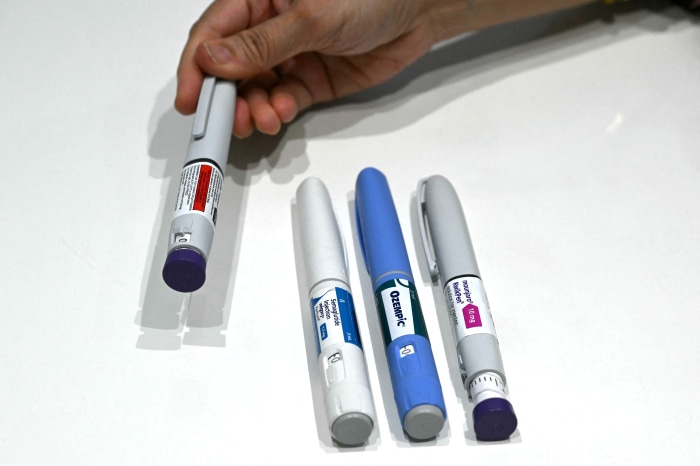
It is ACOG's first set of guidelines on GLP-1 receptor agonists during and after pregnancy, according to The Wall Street Journal, which reported the recommendations the same day they were issued [1]. The Journal described the medications as "wildly popular" [1]. The drug class includes semaglutide, sold as Ozempic, Wegovy and Rybelsus, and tirzepatide, sold as Mounjaro and Zepbound; a photo accompanying the report showed weight-loss injection pens from Ozempic and Mounjaro [1].
On breastfeeding, the guidance indicates a GLP-1 might be acceptable once a baby is past its first month [1]. The report cited preliminary data suggesting that GLP-1s are not likely to show up in breast milk [1]. It did not describe the size or design of the studies behind that finding, and it did not explain why one month was chosen as the cutoff. No measurements of drug levels in human milk were given.
Several details are not yet known. It has not been reported which specific drugs the guidance covers, or whether it treats semaglutide and tirzepatide differently. Whether the guidance addresses people who take a GLP-1 for type 2 diabetes rather than for weight loss has not been disclosed, and neither has its advice for people who become pregnant while already taking one. The full text of the guidance, the evidence ACOG reviewed, and how the recommendations were drafted or approved have not been reported. The report also gave no estimate of how many pregnancies involve GLP-1 exposure and no risk figures for birth defects or other outcomes.
Why it matters for patients
GLP-1 medications are taken by large numbers of adults, including people in their reproductive years, and this is the first national obstetric guidance aimed specifically at use during and after pregnancy [1]. Before it, patients and clinicians had no professional-society document of this kind to work from.
The one-to-two-month stopping window is a planning point, not a test-day decision: the guidance ties it to the period before someone starts trying to conceive [1]. That means the timing question comes up well before a positive pregnancy test.
The breastfeeding language is permissive rather than encouraging. Saying the drugs might be OK after a baby's first month leaves room for a clinician and patient to weigh the option, and it sets a specific age threshold rather than clearing use right after delivery [1]. For someone who wants to continue treatment while nursing, that first month is the period the guidance does not cover.
Two groups are not clearly addressed in what has been reported: people using these drugs for diabetes, and people who are already pregnant while on treatment. How the guidance applies to them has not been disclosed [1]. Decisions in those situations remain individual ones between a patient and her clinician.
It is also not known whether the guidance will affect insurance coverage, prior-authorization rules or how prescribers document these discussions. None of that has been reported [1].
What happens next
No schedule for revised guidance has been announced, and no date has been given for publishing fuller documentation or the evidence review behind the recommendations [1]. Whether ACOG plans to update the guidance as more data on milk transfer and pregnancy exposure become available has not been disclosed [1].
Images from the sources



Sources
Semaglutides.org provides information only, not medical advice. Talk to a licensed provider about your own care before making changes. Some telehealth links are affiliate links and are labeled where they appear.