GLP-1 drugs linked to 24% fewer schizophrenia hospital visits in study
A US health records study in Lancet Psychiatry found schizophrenia patients taking GLP-1 drugs for diabetes had 24% fewer psychiatric hospital admissions and 29% fewer mental health ER visits.
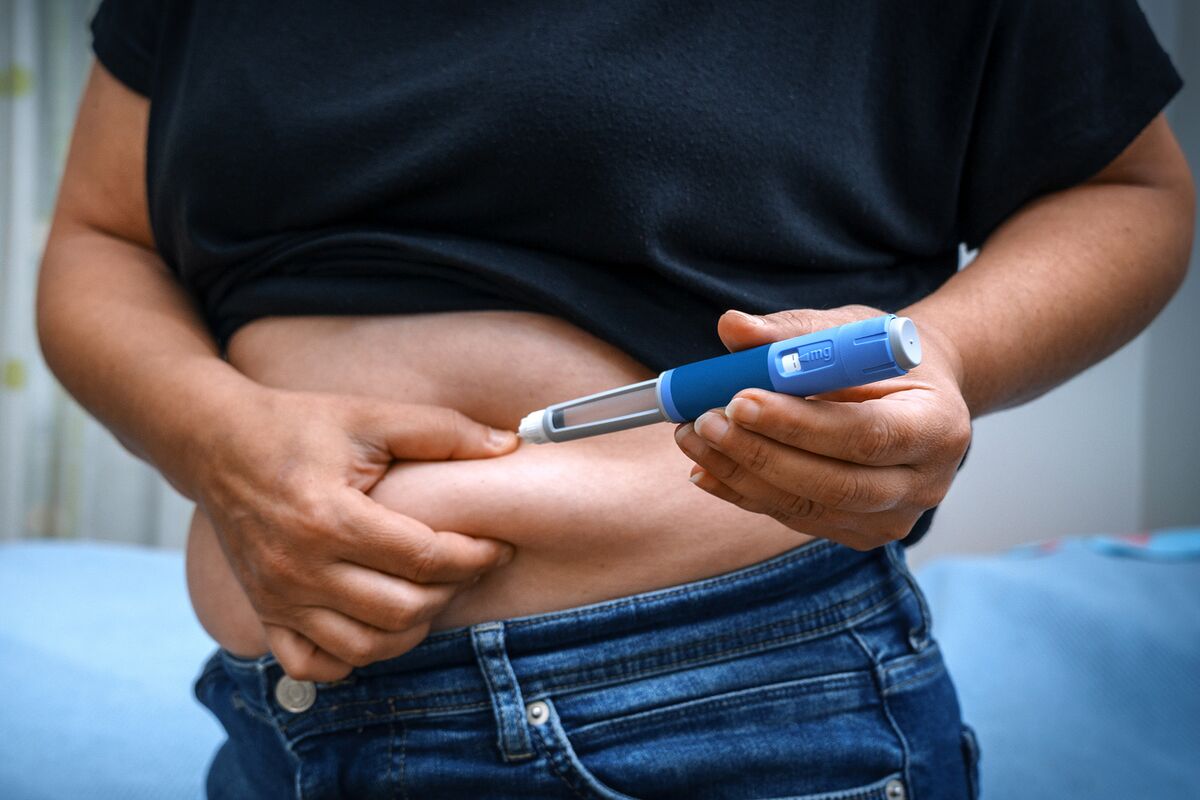
People with schizophrenia who took GLP-1 drugs for diabetes were 24% less likely to be admitted to a psychiatric hospital than patients who did not take the drugs, and 29% less likely to go to an emergency room for a mental health crisis, according to a study published October 14, 2026, in the journal Lancet Psychiatry [1].
The paper is described as the largest study of US health records on this question [1]. Patients taking GLP-1 medicines were also less likely to be admitted to a psychiatric hospital than people who took other types of diabetes medicine, the researchers said [1]. Bloomberg reported that the results point to another potential benefit from the medicines [1].
The researchers did not establish that the drugs caused the reduction [1]. The findings come from an analysis of health records, which can show that two things happened together but cannot show that one caused the other. The study did not test GLP-1 drugs as a treatment for schizophrenia, and no effect on the underlying symptoms of the condition was reported [1].
Several details were not disclosed. The report did not say how many patients were included, how long they were followed, which GLP-1 medications they took, what doses they used, or how long they had been taking them [1]. It also did not report whether the pattern held for people with schizophrenia who do not have diabetes, or whether injectable and oral GLP-1 drugs differed [1]. Whether the analysis accounted for other differences between the groups has not been reported [1].
Why it matters for patients
The study tracked two events that mark a psychiatric relapse: admission to a psychiatric hospital and an emergency room visit for a mental health crisis [1]. Those are the outcomes where the 24% and 29% reductions appeared [1].
The 24% figure describes how much lower the admission rate was among patients taking GLP-1 drugs. The study did not report the underlying admission rates in either group, so the absolute size of the difference is not yet known [1].
The results cover people with schizophrenia who were taking GLP-1 drugs for diabetes [1]. Findings for people with schizophrenia who do not have diabetes, and for people taking these drugs only for weight loss, have not been reported [1].
Because the analysis used existing health records rather than assigning patients at random to a drug or to a comparison group, it cannot answer whether starting a GLP-1 drug would reduce psychiatric hospital visits for any individual patient [1]. Factors other than the drugs could explain part of the difference; the researchers did not establish that the drugs caused the reduction [1].
The study did not report how GLP-1 drugs interacted with antipsychotic or other psychiatric medications [1].
What happens next
The study was published in Lancet Psychiatry on October 14, 2026 [1]. No follow-up trial, regulatory review, or change to prescribing information related to psychiatric outcomes has been reported [1].
Sources
Semaglutides.org provides information only, not medical advice. Talk to a licensed provider about your own care before making changes. Some telehealth links are affiliate links and are labeled where they appear.