Menopause hormone therapy linked to more weight loss on semaglutide and tirzepatide
A study of about 3,900 women found those also using menopause hormone therapy lost somewhat more weight on semaglutide, and less so on tirzepatide.
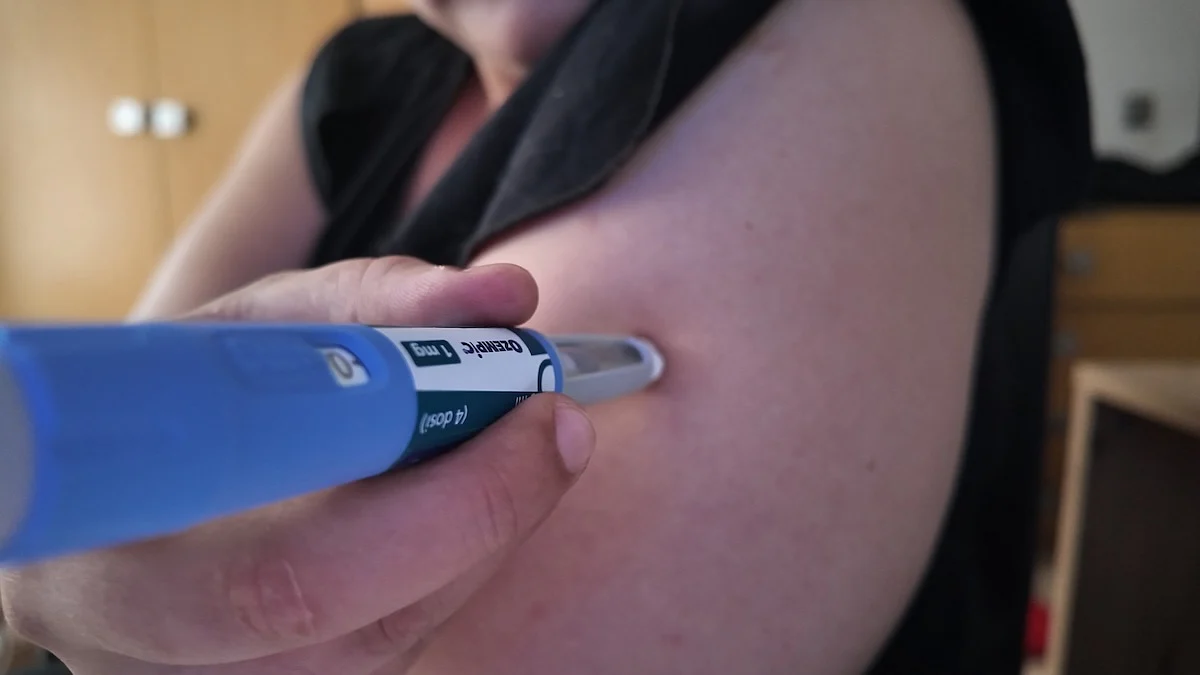
Women who used menopause hormone therapy while taking semaglutide (Ozempic, Wegovy) lost somewhat more weight than women taking semaglutide alone, according to a study of about 3,900 women presented at the annual meeting of The Menopause Society [1]. Smaller differences appeared among women taking tirzepatide (Mounjaro, Zepbound) [1].
The research compared weight loss based on whether women also were using hormone therapy for menopause symptoms such as hot flashes [1]. Nearly 2,400 of the women were taking semaglutide and nearly 1,500 were taking tirzepatide, which the investigators described as one of the largest studies to examine the link between GLP-1 drugs and hormone therapy [1]. Women taking semaglutide were followed for about 26 months and those taking tirzepatide for about 16 months [1]. All were 45 or older, with an average age of 57, and all had a body-mass index in the overweight-to-obese range [1].
At one year, women taking both hormone therapy and semaglutide had lost about 11% of their total body weight on average, compared with 9.5% for those taking semaglutide alone [1]. About 22% of the combination group lost 20% or more of their body weight, compared with 18% of those taking semaglutide alone; 6% of combination users lost 30% or more, compared with 4% of the semaglutide-only group [1].
For tirzepatide, the differences were smaller and were reported at three months of follow-up: 6.6% weight loss with hormone therapy versus 5.9% without it, and 88% versus 84% of women reaching at least 5% total body weight loss [1].
"Interestingly, the effect was stronger with semaglutide than with tirzepatide, which deserves further study and may point to an interaction specific to GLP-1 signaling," said lead researcher Dr. Regina Castaneda, a postdoctoral fellow with Mayo Clinic Florida [1]. Semaglutide works on the body's GLP-1 receptors, while tirzepatide acts on two sets of receptors, GIP and GLP-1 [1]. Castaneda said it makes sense that hormone therapy might have this effect "given preclinical data suggesting a potential synergistic effect between estrogen and GLP-1 signaling" [1].
The findings were slated for presentation at a medical meeting and should be considered preliminary until published in a peer-reviewed journal [1]. Castaneda said the results "need to be confirmed in adequately designed prospective trials" [1]. The report did not state whether the differences between groups were statistically significant, which hormone therapy products or doses the women used, or how long they had taken them. It also did not include information on side effects or other safety outcomes.
Why it matters for patients
Weight gain and changes in body composition are among the most common concerns women report during the menopause transition, and middle-aged women have turned to GLP-1 drugs for help in large numbers: about 1 in 5 women ages 50 to 64 are or have used a GLP-1 medication, more than any other group in the U.S. [1]. That makes the overlap between menopause care and obesity treatment a practical question for a large group of patients.
"These findings suggest that hormone therapy may influence how some women respond to GLP-1-based weight-loss medications," said Dr. Stephanie Faubion, medical director for The Menopause Society [1]. She added that more research is needed but that the study highlights the importance of considering menopause-specific factors when developing personalized approaches to weight management for midlife women [1].
Castaneda cautioned that the link does not make hormone therapy a weight-loss treatment: "it's important to remember that weight loss is not an indication for menopause hormone therapy" [1]. The study was not designed to test whether adding hormone therapy causes more weight loss, only whether the two were associated [1].
What happens next
The results were scheduled for presentation Thursday at The Menopause Society's annual meeting, which runs through Saturday in San Diego [1]. A date for publication in a peer-reviewed journal has not been disclosed [1]. Castaneda said the findings need confirmation in prospective trials [1]; no such trial has been announced.
Sources
Semaglutides.org provides information only, not medical advice. Talk to a licensed provider about your own care before making changes. Some telehealth links are affiliate links and are labeled where they appear.