Orforglipron matches insulin glargine on cardiovascular safety in ACHIEVE-4
Orforglipron was noninferior to insulin glargine for major adverse cardiovascular events in ACHIEVE-4, with more gastrointestinal side effects but less hypoglycemia.
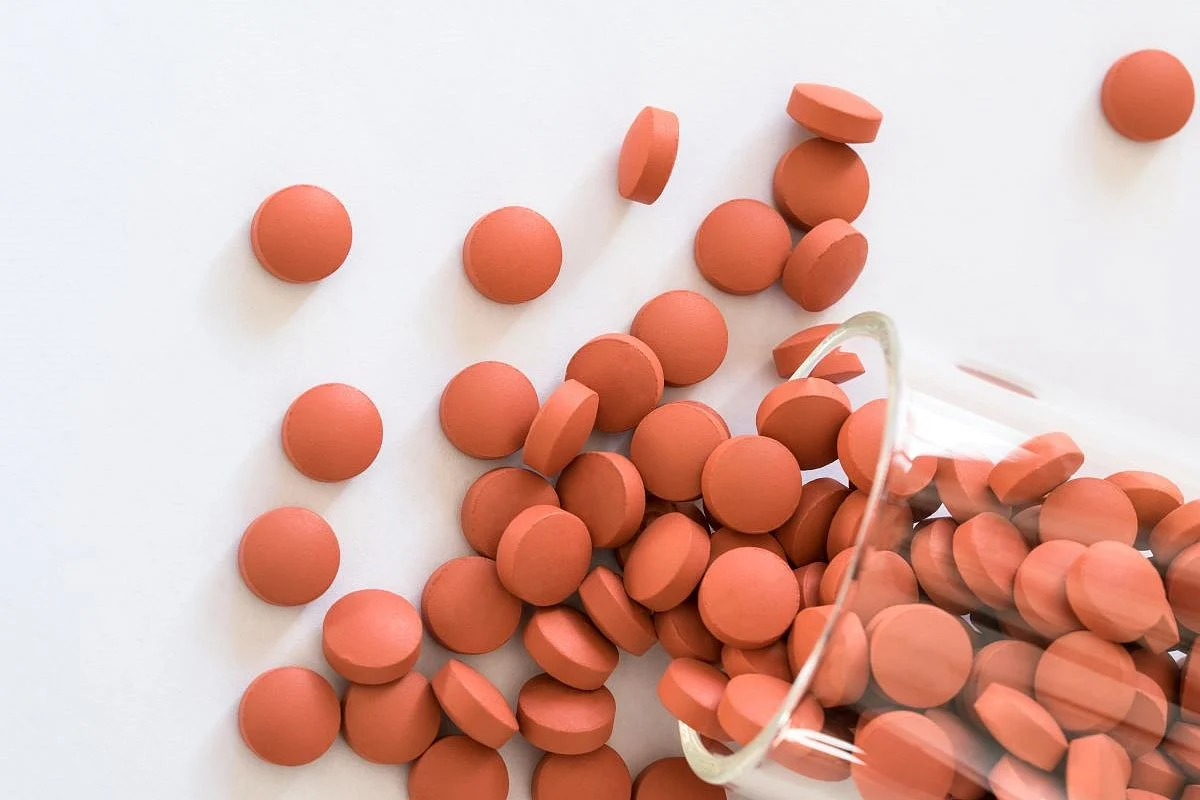
In the Phase 3 ACHIEVE-4 trial, the once-daily orforglipron pill was noninferior to daily insulin glargine injections for major adverse cardiovascular events in adults with type 2 diabetes who had obesity or overweight and an increased risk of cardiovascular events [1]. Results were published online Sept. 30, 2026, in The Lancet and reported at the annual meeting of the European Association for the Study of Diabetes, held Sept. 28 to Oct. 2 in Milan [1].
The study randomly assigned 2,749 participants to orforglipron or insulin glargine [1]. Over a median two years of follow-up, the four-component composite of major adverse cardiovascular events occurred in 4.2 percent of the orforglipron group and 5.0 percent of the insulin glargine group [1]. The hazard ratio was 0.84, with a 95 percent confidence interval of 0.59 to 1.20 and p<0.0001 for noninferiority [1]. Because that confidence interval crossed 1.0, the result establishes noninferiority rather than a proven reduction in cardiovascular events [1].
The two treatments differed sharply in side effects. Gastrointestinal adverse events occurred in 62.1 percent of orforglipron participants versus 14.2 percent of those taking insulin glargine [1]. Clinically significant or severe hypoglycemia, defined as blood glucose below 3 mmol/L (54 mg/dL), was less common with orforglipron, at 6.8 percent versus 19.2 percent [1]. Death occurred in 1.4 percent of the orforglipron group and 3.2 percent of the insulin glargine group [1]. All deaths except one in the insulin glargine group were judged to be unrelated to treatment [1].
"The ACHIEVE-4 study reaffirmed the safety of orforglipron while demonstrating clinically meaningful improvements in blood sugar control and weight," said first author Klara R. Klein, M.D., of the University of North Carolina School of Medicine in Chapel Hill [1]. She said the drug is a shelf-stable, once-daily oral medication that can be taken without fasting or water restrictions [1]. The trial was funded by Eli Lilly and Company, which makes orforglipron [1].
Orforglipron is described as a small-molecule GLP-1 receptor agonist [2]. The specific reductions in blood sugar and weight seen in ACHIEVE-4 have not been reported; Klein's statement called them clinically meaningful without giving figures [1]. Orforglipron's regulatory status has not been announced.
Why it matters for patients
The main question in ACHIEVE-4 was whether a new oral diabetes medicine would raise cardiovascular risk in people who already faced a high risk of heart problems. The reported answer is that orforglipron did not do worse than insulin glargine over a median of about two years [1].
The tolerability difference is large. Nearly two-thirds of orforglipron participants had gastrointestinal side effects, compared with about one in seven on insulin glargine [1]. People who have had trouble with nausea, vomiting or diarrhea on other GLP-1 medicines may find that figure relevant when discussing options with a clinician.
The hypoglycemia difference runs the other way. Clinically significant or severe low blood sugar was about three times as common with insulin glargine, 19.2 percent, as with orforglipron, 6.8 percent [1]. Deaths were also more common in the insulin glargine group, 3.2 percent versus 1.4 percent, and nearly all were considered unrelated to treatment [1].
Two limits are worth noting. The trial compared orforglipron only with insulin glargine, so how it compares with other GLP-1 medicines has not been reported [1]. And the results come from adults with type 2 diabetes plus obesity or overweight and increased cardiovascular risk, so effects in other groups have not been reported [1].
What happens next
The ACHIEVE-4 results appeared online in The Lancet on Sept. 30, 2026, and were presented at the EASD meeting in Milan between Sept. 28 and Oct. 2, 2026 [1]. Whether the manufacturer has filed for regulatory approval, and when any decision might come, has not been disclosed. Follow-up beyond the trial's median of two years has not been reported [1].
Images from the sources

Sources
Semaglutides.org provides information only, not medical advice. Talk to a licensed provider about your own care before making changes. Some telehealth links are affiliate links and are labeled where they appear.