SUSTAIN-6 shows semaglutide reduces cardiovascular events in type 2 diabetes
SUSTAIN-6, a cardiovascular outcomes trial of semaglutide in adults with type 2 diabetes at high heart risk, reported fewer major cardiovascular events — and a signal of more diabetic eye complications.
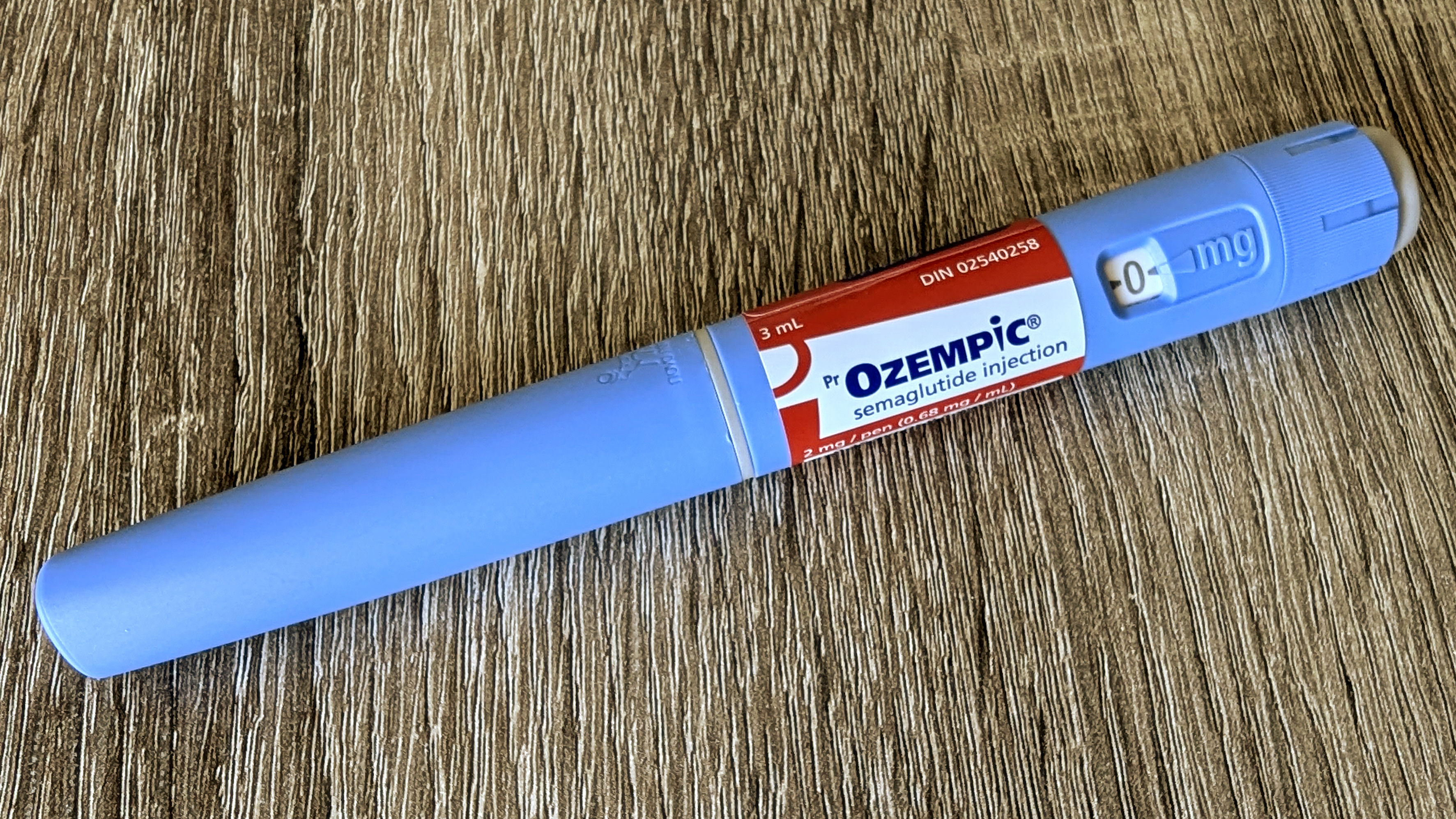
Researchers reported results from SUSTAIN-6, the cardiovascular outcomes trial of semaglutide in adults with type 2 diabetes at high cardiovascular risk. The trial found a lower rate of major adverse cardiovascular events with semaglutide than with placebo, a finding that later supported the heart-related indication for Ozempic, the injectable semaglutide brand.
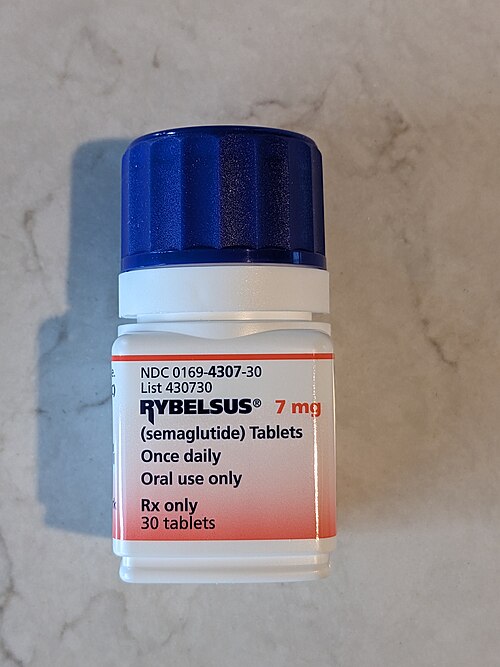
Semaglutide is a GLP-1 receptor agonist sold under several brand names, including Ozempic, Rybelsus and Wegovy [1]. It is given either as a subcutaneous injection or as an oral tablet, and it has an elimination half-life of about seven days, which is why the injectable version is dosed weekly [1]. Bioavailability is about 89% for the subcutaneous form and only 1–2% for the oral form [1].
What the trial reported
The exact numbers behind the cardiovascular result — the size of the study population, the length of follow-up and the percentage reduction in major adverse cardiovascular events — are not contained in the sources available for this report, so they are not repeated here. Readers looking for those figures should consult the primary publication, indexed in PubMed under identifier 27633186, which is the citation used by later reviewers when they discuss SUSTAIN-6 [2].
One secondary finding drew immediate attention. SUSTAIN-6 reported more diabetic-retinopathy complications in the semaglutide group than in the placebo group, in a population already at high cardiovascular risk [2]. That result is often interpreted in the context of rapid improvement in HbA1c and the presence of retinopathy at the start of treatment [2]. Rapid improvement in blood sugar can temporarily worsen diabetic retinopathy in some people who already have the condition, a pattern recognized well beyond GLP-1 therapy [2].
That context matters because diabetic retinopathy is a disease of the small blood vessels in the retina, tied to how long someone has had diabetes and how well glucose has been controlled [2]. It is a different problem from non-arteritic anterior ischemic optic neuropathy, or NAION, which involves blood flow to the optic nerve [2].
Why it matters for patients
Before trials like this one, diabetes drugs were mainly judged on how much they lowered blood sugar. A cardiovascular outcomes trial asks a different question: does the drug change the rate of heart attacks, strokes and cardiovascular death? A result showing fewer such events moves a medication from "lowers A1c" toward "may also affect hard outcomes," which is what regulators and insurers weigh when deciding on labeling and coverage.
The retinopathy signal is the other half of the story, and it is why eye history became part of the conversation for people considering semaglutide. A later systematic review found that retinal findings across GLP-1 studies remain inconsistent: aside from the SUSTAIN-6 signal, randomized trials generally did not demonstrate increased retinopathy progression, and observational studies were mixed [2]. Many of those trials were not designed to detect rare eye events and did not use standardized eye imaging [2].
People with diabetes are advised to continue guideline-based retinal screening regardless of which medication they take, and there is no evidence-based rule that everyone starting a GLP-1 needs a special eye exam solely because of the prescription [2]. Sudden vision loss, a dark curtain, or a new missing area in the visual field are described as reasons for urgent evaluation rather than a routine appointment [2].
What happens next
Regulators kept revisiting the eye question for years. In 2025, the European Medicines Agency concluded that NAION should be listed as a very rare side effect of semaglutide medicines, estimating roughly one additional case per 10,000 person-years of treatment and citing epidemiologic estimates near a two-fold relative increase in adults with type 2 diabetes [2]. In July 2026, Australia's Therapeutic Goods Administration announced class-wide warning updates for marketed GLP-1 receptor agonists and advised prompt medical attention for sudden vision loss [2]. Warning language differs by country and by product, so US patients are directed to current FDA labeling [2].
Images from the sources
Sources
Semaglutides.org is for information only and is not medical advice. Always talk to a licensed healthcare provider about your own care. Some links to telehealth services are affiliate links, labeled where they appear.