Bloomberg reports Lilly will steer GLP-1 profits into women's health
Bloomberg reports Eli Lilly plans to funnel cash from its blockbuster GLP-1 drugs into new women's health treatments, though no specific programs or timelines have been announced.
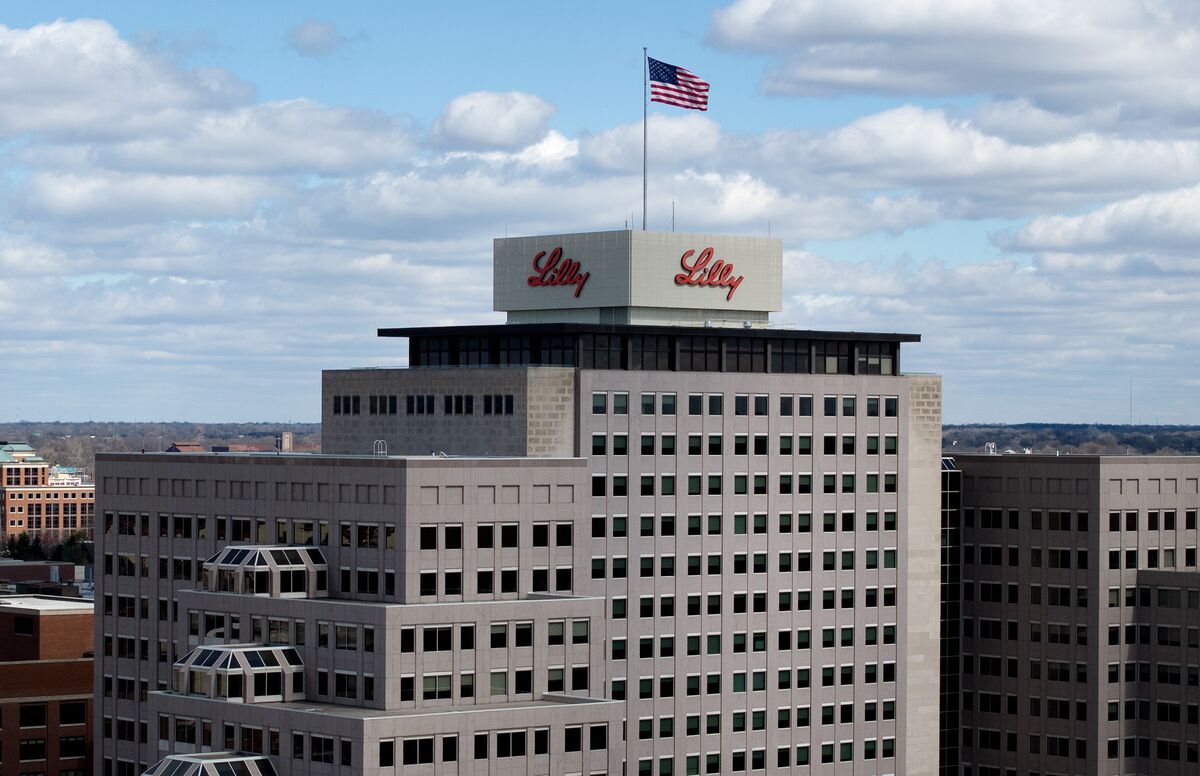
Eli Lilly is preparing a bigger push into women's health, funded by the enormous profits flowing from its weight-loss and diabetes injections, according to a Bloomberg report published September 10, 2026 [1]. The company has been assembling medical experts and searching for new medicines in areas including bone health and endometriosis, according to people familiar with the matter cited by Bloomberg [1].
The report frames the move as part of a broader pattern: Lilly, now described as the world's largest pharmaceutical company, is using the windfall from its incretin franchise — the class of drugs that includes tirzepatide, sold as Mounjaro for diabetes and Zepbound for weight loss — to find and fund what comes after its current obesity and diabetes boom [1]. Bloomberg did not report specific dollar figures, drug candidates, or dates tied to the women's health effort, and Lilly has not published targets or a timeline [1].
A second outlet, Y Media PLUS, republished a version of the same report but did not add new reporting details beyond what Bloomberg disclosed [2].
The scope of Lilly's incretin business has been large enough to reshape parts of the economy well beyond pharmacy shelves. Bloomberg's broader coverage this year has tracked how the surge in GLP-1 use has prompted retailers to cut back on plus-size clothing options and pushed grocery chains, including in Brazil, to redesign store aisles around high-protein products [1]. Lilly has also stepped up efforts to fight a black market for its experimental drug retatrutide [1]. These threads illustrate how tirzepatide and semaglutide sales have become a financial engine for the company well beyond the diabetes and obesity clinics where the drugs are prescribed.
Why it matters for patients
For people currently taking Mounjaro, Zepbound, Ozempic, Wegovy, or Rybelsus, this report does not change anything about their prescriptions, cost, or availability in the near term. It signals where Lilly may direct its research and acquisition budget in the coming years, which could eventually shape what new treatments become available for conditions like endometriosis or bone health — but Bloomberg's sources did not specify which diseases would get funded programs first, what stage those programs are in, or when any resulting drug might reach patients [1].
Patients weighing the cost of GLP-1 drugs today may also find it useful context: the profits generated by widespread tirzepatide and semaglutide use are substantial enough that a major drugmaker is now planning to redirect them into an entirely different area of medicine [1]. Whether that translates into lower prices, expanded insurance coverage, or new discounts for existing obesity and diabetes drugs is not addressed in the reporting and is not yet known.
What happens next
Bloomberg's report, published September 10, 2026, does not include a public roadmap from Lilly [1]. It is not yet known when the company might announce specific women's health drug candidates, funding amounts, or partnerships, or whether the effort will proceed through internal research, licensing deals, or acquisitions. Readers should expect that further details, if any, would likely surface in future Lilly earnings calls, investor presentations, or additional reporting, none of which are covered by the sources available here.
Images from the sources
Sources
Semaglutides.org is for information only and is not medical advice. Always talk to a licensed healthcare provider about your own care. Some links to telehealth services are affiliate links, labeled where they appear.