Ozempic approved with a boxed warning for thyroid C-cell tumors
FDA approved Ozempic (semaglutide) on December 5, 2017 with a boxed warning about thyroid C-cell tumors in rodents and a hard contraindication for people with a personal or family history of medullary thyroid cancer or MEN 2 [2][1].
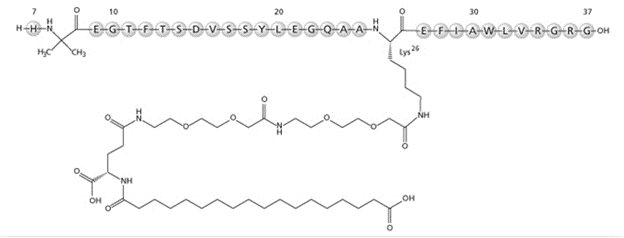
The Food and Drug Administration approved Ozempic (semaglutide) injection for adults with type 2 diabetes on December 5, 2017 [2]. The approval came with a boxed warning — the agency's most serious label warning — about thyroid C-cell tumors seen in rodent studies, plus an absolute contraindication for certain patients [1][2].
The boxed warning states that "in rodents, semaglutide causes thyroid C-cell tumors," and that "it is unknown whether OZEMPIC causes thyroid C-cell tumors, including medullary thyroid carcinoma (MTC), in humans as the human relevance of semaglutide-induced rodent thyroid C-cell tumors has not been determined" [1]. The same warning says the drug "is contraindicated in patients with a personal or family history of MTC or in patients with Multiple Endocrine Neoplasia syndrome type 2 (MEN 2)," and instructs prescribers to counsel patients about the potential risk of MTC and the symptoms of thyroid tumors [1].
That language has not gone away. The current Ozempic prescribing information on DailyMed, revised 5/2026 and posted June 1, 2026, still leads with the same boxed warning and still lists a personal or family history of MTC or MEN 2 — along with serious hypersensitivity to semaglutide or its ingredients — under Contraindications [1]. Drugs.com's approval history, last updated April 23, 2026, likewise notes that "Ozempic comes with a Boxed Warning for thyroid C-cell tumors" [2].
What else is on the label
Beyond the boxed warning, Ozempic's Warnings and Precautions section now covers acute pancreatitis, diabetic retinopathy complications, never sharing a pen between patients, hypoglycemia when used with insulin or an insulin secretagogue, acute kidney injury from volume depletion, severe gastrointestinal reactions, serious hypersensitivity reactions including anaphylaxis and angioedema, acute gallbladder disease, and pulmonary aspiration during general anesthesia or deep sedation [1]. The most common side effects reported in at least 5% of patients are nausea, vomiting, diarrhea, abdominal pain and constipation [1].
Several of those were added after 2017. One tracking page lists gallbladder disease added March 28, 2022, pulmonary aspiration added November 1, 2024, and a severe gastrointestinal reactions update in October 2025 [3]. The DailyMed label's "Recent Major Changes" field confirms the severe gastrointestinal adverse reactions section was changed in 10/2025 [1]. That same tracking page states Ozempic was approved on December 5, 2016, which conflicts with its own later timeline and with Drugs.com; December 5, 2016 was the date Novo Nordisk filed for approval, and December 5, 2017 was the approval [3][2]. An FDA advisory committee had voted 16-0 in favor of approval on October 18, 2017 [2].
Why it matters for patients
The contraindication is categorical, not a caution. A personal or family history of medullary thyroid carcinoma, or a diagnosis of MEN 2, rules out Ozempic under the label as written [1]. That is why clinicians typically ask about thyroid cancer in the family before prescribing, and why the label directs them to counsel patients on thyroid tumor symptoms [1].
It is also worth understanding what the warning does and does not say. The evidence behind it comes from rodents, and the label is explicit that the human relevance has not been determined [1]. In other words, the sources do not claim semaglutide causes thyroid cancer in people; they say the question is unresolved and the risk is being managed conservatively.
Semaglutide is now sold under several brands and forms: Ozempic injection (2017), Rybelsus tablets (2019), Wegovy injection (2021), Wegovy tablets (December 22, 2025), and Ozempic tablets (January 30, 2026, formerly the Rybelsus R2 formulation) [2]. The sources here document the boxed warning and MTC/MEN 2 contraindication on the Ozempic injection label specifically [1][2]; they do not spell out the boxed-warning text for each of the other semaglutide products, so that detail is not established by these documents.
What happens next
No change to the thyroid boxed warning is announced in these sources. The most recent Ozempic label revision is dated 5/2026, with the DailyMed page updated June 1, 2026 [1]. Any future changes would appear first in the prescribing information on FDA's label systems, which is the authoritative record for warnings, contraindications and postmarketing reports [3].
Sources
Semaglutides.org is for information only and is not medical advice. Always talk to a licensed healthcare provider about your own care. Some links to telehealth services are affiliate links, labeled where they appear.