FDA adds ileus to the Ozempic label
On Sept. 22, 2023, the FDA added ileus — a stall in normal intestinal movement — to Ozempic's label based on voluntary postmarketing reports, a change that later surfaced in lawsuits against Novo Nordisk. [1][2][3]
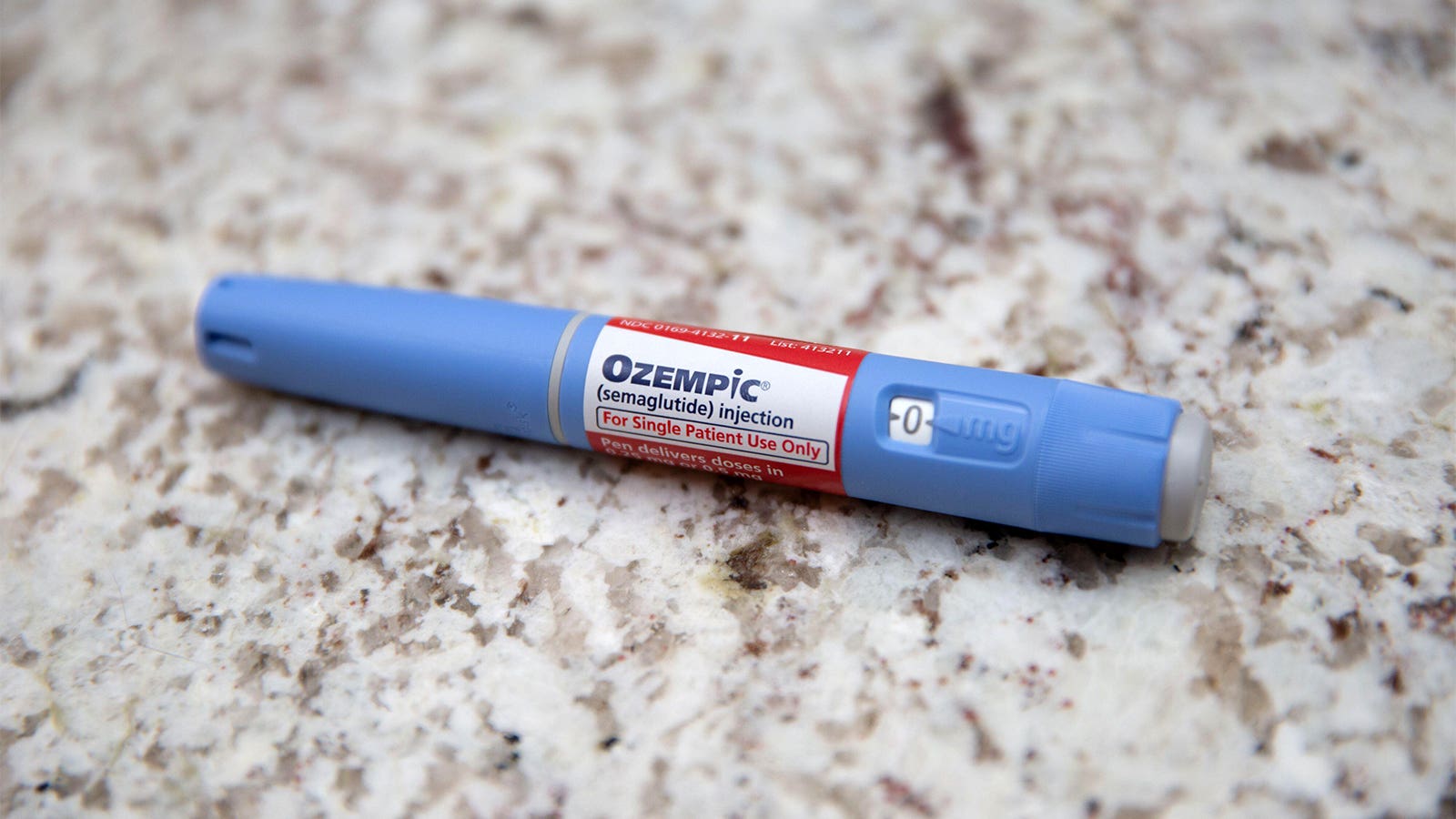
The U.S. Food and Drug Administration added ileus, a condition in which food and liquid stop moving normally through the intestines, to the labeling for semaglutide (Ozempic) in September 2023. The change was based on postmarketing reports submitted voluntarily, not on a clinical trial finding. [1][4]
Federal records show two labeling supplements for Ozempic's application, NDA 209637, were approved on Sept. 22, 2023, with the updated label posted a few days later. [2] HCPLive reported the labeling change was announced Sept. 20, 2023, and appeared on the FDA's safety-related labeling changes page dated Sept. 22. [1]
The label itself carries a standard caveat: "Because these reactions are reported voluntarily from a population of uncertain size, it is not always possible to reliably estimate their frequency or establish a causal relationship to drug exposure." [4] In other words, the FDA listed the reports without concluding that Ozempic causes ileus. [5]
What the numbers showed
Reporting on how many ileus cases existed differs between sources. HCPLive, citing the FDA Adverse Event Reporting System (FAERS) dashboard, said there were 6 total ileus cases reported with Ozempic, 2 of which resulted in hospitalization. [1] Healthline, also citing FAERS, said ileus was reported 16 times by Ozempic users as of June 30, 2023. [5] The sources do not explain the discrepancy, which may reflect different search filters or time windows.
Both figures are small against overall reporting volume. HCPLive said FAERS logged 2,951 total adverse event cases tied to Ozempic during 2023 as of June 30, with gastrointestinal events accounting for 1,274 of them. [1]
Ozempic was not the first GLP-1 drug to get this language. Labeling for semaglutide 2.4 mg (Wegovy), which is approved for obesity, already listed ileus among postmarketing gastrointestinal disorders. [4] The label for tirzepatide (Mounjaro) was changed to add ileus based on postmarketing reports in July 2023. [4]
On the same day as the ileus update, the FDA issued a second Ozempic labeling change noting that people using semaglutide together with an insulin secretagogue such as a sulfonylurea, or with insulin, may face a higher risk of hypoglycemia, including severe hypoglycemia. The new language says prescribers should consider reducing the dose of the other drug when starting semaglutide. [1]
Novo Nordisk told MedPage Today that "ileus is a gastrointestinal reaction that was reported in the postmarketing setting with Ozempic and with other GLP-1 receptor agonists," and said the company "stands behind the safety and efficacy of Ozempic and all of our medicines when used consistent with the product labeling and the approved indications." The company listed nausea, vomiting, diarrhea, abdominal pain and constipation as the most commonly reported side effects. [4]
Why it matters for patients
Ileus is not the same as everyday nausea or constipation. According to the Mayo Clinic, as summarized by MedPage Today, it can cause cramping and pain, inability to have a bowel movement, swelling, vomiting or loss of appetite, and it often leads to hospitalization to stabilize the patient. Treatment may involve a barium or air enema, or surgery for a complete obstruction. For a pseudo-obstruction, a doctor may prescribe medication to trigger muscle contractions, stop the drug causing the problem, or use decompression. [4]
A label listing in the postmarketing adverse reactions section is a disclosure tool, not a risk estimate. It tells patients and prescribers that the event has been reported, while explicitly stating the frequency is unknown and causation is not established. [4] How often ileus actually occurs among Ozempic users is not known from these sources.
The change also has legal significance. Drugwatch, a lawsuit-tracking site run by a law firm, notes the September 2023 ileus addition in its summary of Ozempic litigation and says claims involving gastroparesis, ileus and intestinal obstruction are ongoing. [3] The first Ozempic stomach paralysis lawsuit was filed Aug. 2, 2023 — weeks before the label change. [3] MedPage Today reported that Novo Nordisk and Eli Lilly were facing a suit from a Louisiana woman who court filings say was hospitalized repeatedly for stomach issues after taking semaglutide and later tirzepatide. [4]
What happened next
In January 2025, the Ozempic label was updated again to say the drug is "not recommended in patients with severe gastroparesis," though it does not state the drug causes the condition. [3] As of September 2026, Drugwatch counted 4,022 lawsuits across two multidistrict litigations — one focused on gastroparesis, one on vision loss — with no global settlements announced. [3]
Images from the sources
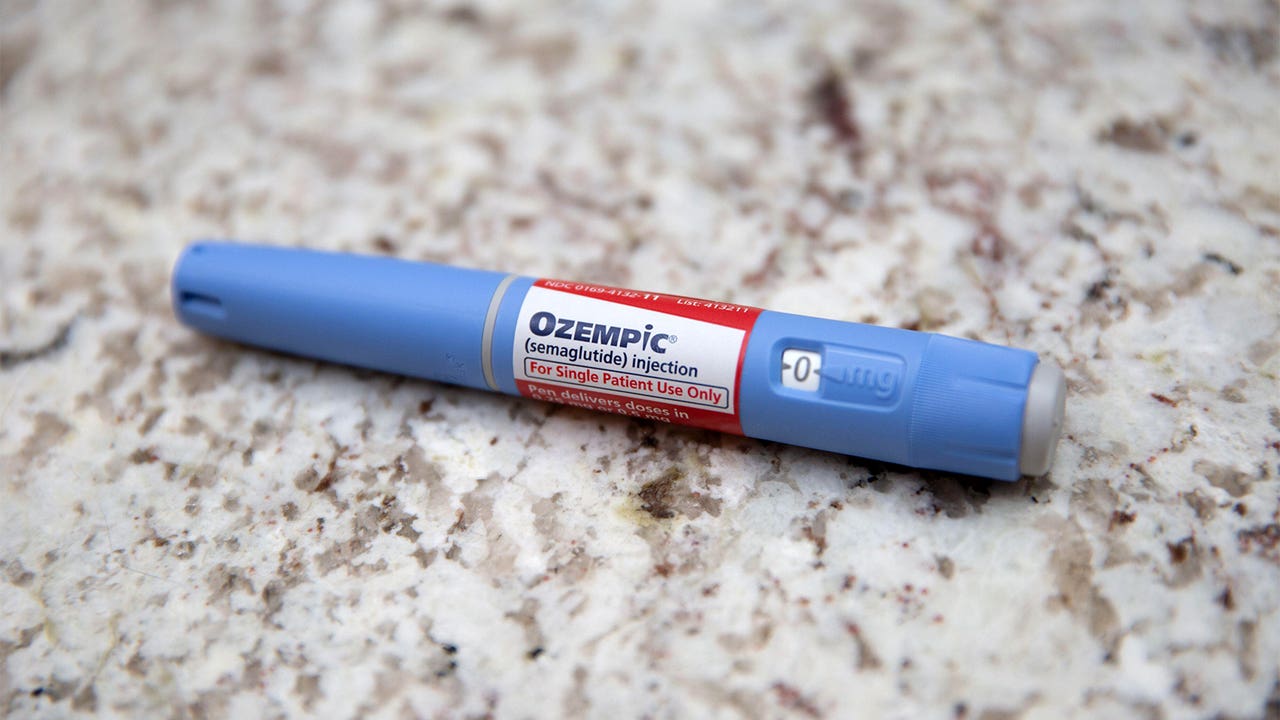
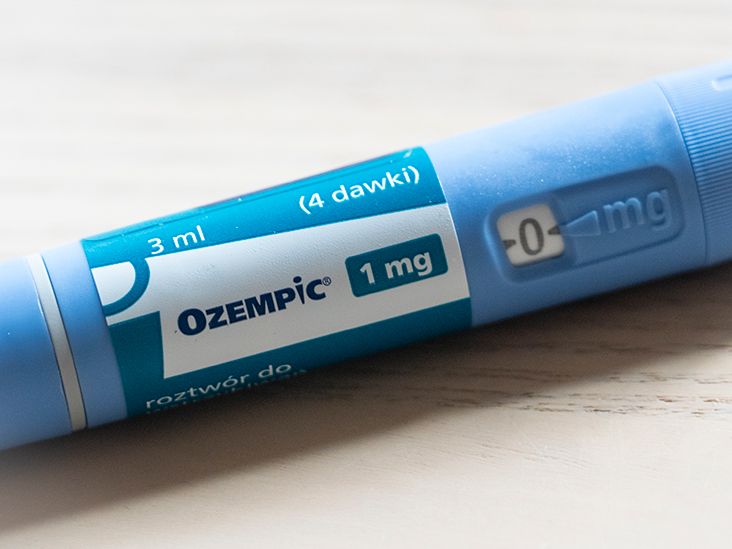
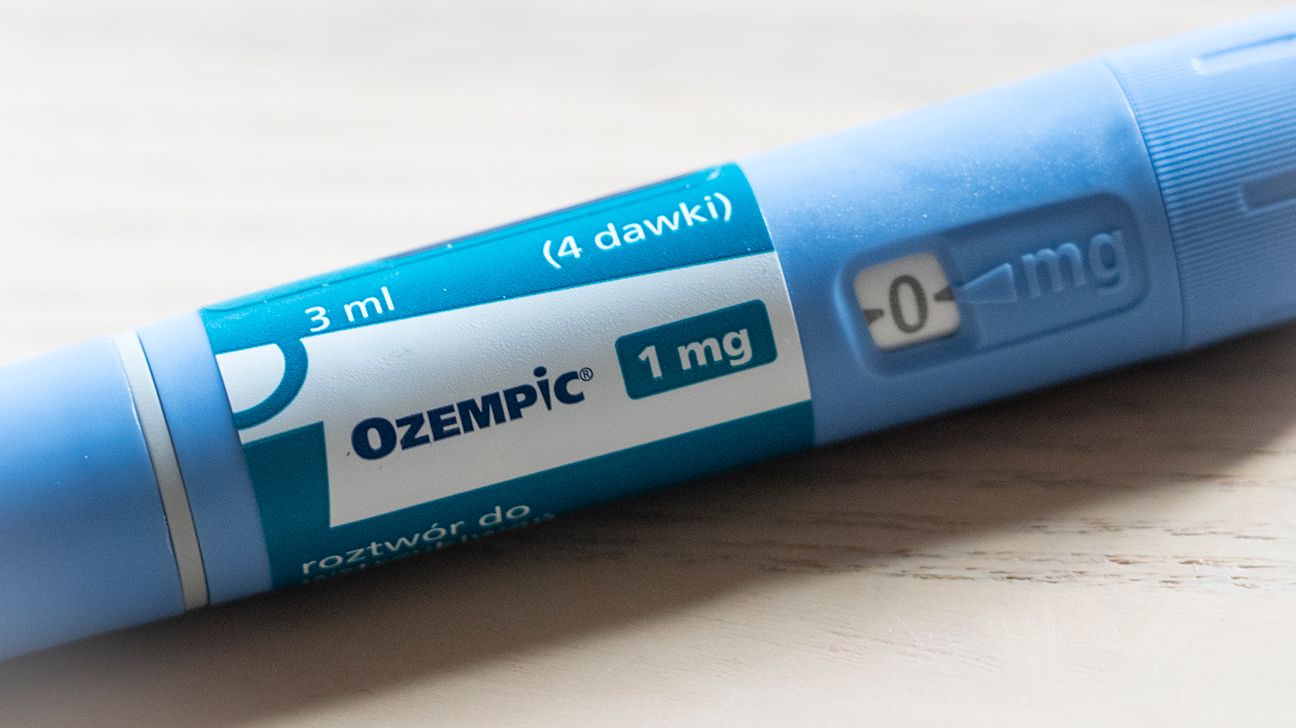
Sources
- https://www.hcplive.com/view/fda-adds-new-warning-for-ileus-to-semaglutide-label
- https://api.fda.gov/drug/drugsfda.json?search=application_number%3ANDA209637
- https://www.drugwatch.com/legal/ozempic-lawsuit/
- https://www.medpagetoday.com/endocrinology/diabetes/106535
- https://www.healthline.com/health-news/fda-updates-ozempic-label-to-include-blocked-intestines-as-potential-side-effect
Semaglutides.org is for information only and is not medical advice. Always talk to a licensed healthcare provider about your own care. Some links to telehealth services are affiliate links, labeled where they appear.