Ambulatory monitoring shows tirzepatide lowering blood pressure
A SURMOUNT-1 substudy found tirzepatide (Mounjaro/Zepbound) lowered 24-hour blood pressure by amounts similar to some blood pressure drugs, though the effect was raised heart rate slightly.
A planned substudy of the SURMOUNT-1 trial found that tirzepatide, the drug sold as Mounjaro for type 2 diabetes and Zepbound for weight management, significantly lowered 24-hour ambulatory blood pressure in adults with obesity [1][2]. The findings, published in the journal Hypertension on February 2, 2024, add blood pressure to a growing list of cardiometabolic effects seen with the drug beyond weight loss itself [1].
The substudy used 24-hour ambulatory blood pressure monitoring, a method considered more precise than office readings, on 600 SURMOUNT-1 participants at baseline and again at week 36 [1][2]. All participants had blood pressure under 140/90 mmHg at the start, and anyone taking blood pressure medication had to have been on a stable dose for at least three months [1]. The group included 155 people on placebo, 145 on tirzepatide 5 mg, 152 on tirzepatide 10 mg, and 148 on tirzepatide 15 mg, with an average age of 45.5 and average BMI of 37.4 [1].
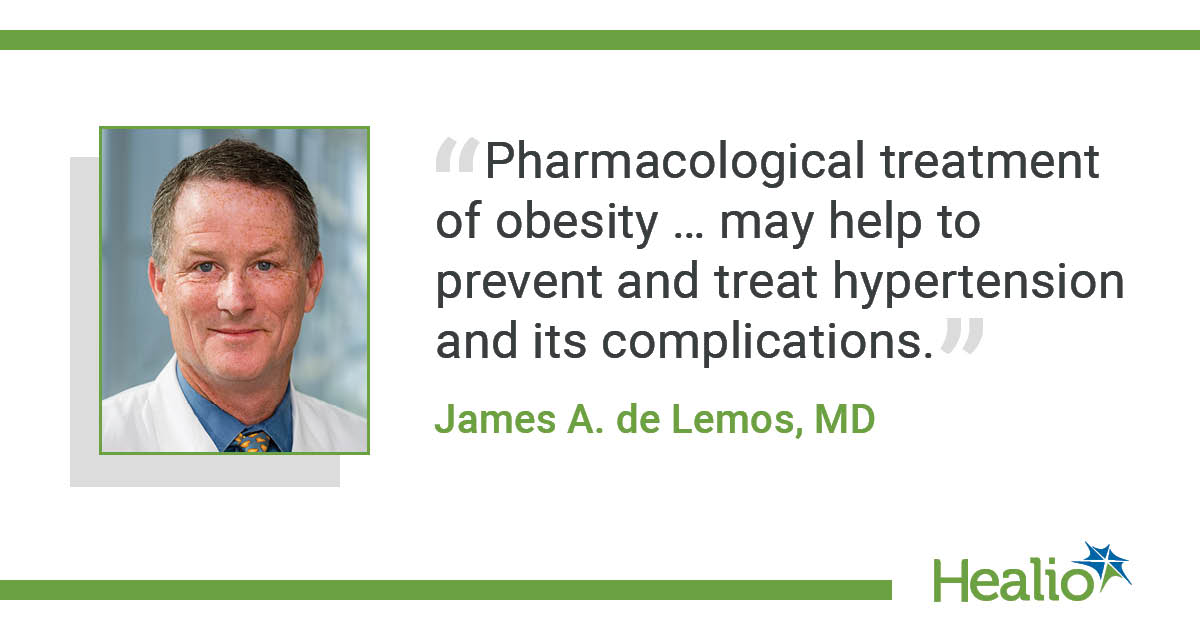
Compared with placebo, 24-hour systolic blood pressure dropped by 7.4 mmHg with the 5 mg dose, 10.6 mmHg with the 10 mg dose, and 8.0 mmHg with the 15 mg dose [1][2]. Lead investigator James A. de Lemos, MD, of UT Southwestern Medical Center, said the reductions "rivaled what is seen for many hypertension medications" [1]. Diastolic blood pressure also fell, by 2.0 mmHg and 2.9 mmHg at the 5 mg and 10 mg doses, though the 15 mg dose showed a smaller, not statistically significant change of 0.5 mmHg [1].
Researchers found that changes in systolic blood pressure correlated with weight loss, and mediation analysis suggested about 70% of the blood pressure effect could be explained by weight loss, leaving open the possibility that some of the effect works through another pathway [1][2]. De Lemos said it is "not known if the impact on blood pressure was due to the medication or the participants' weight loss" and called for further mechanistic study [1][2].
The substudy also found heart rate increased with tirzepatide compared with placebo, by 2.1 beats per minute at the 5 mg dose, 2.3 beats per minute at 10 mg, and 5.4 beats per minute at 15 mg after 36 weeks [1][2]. Researchers noted this kind of increase has also been seen with other GLP-1 drugs and that heart rate changes measured through week 72 of the full trial suggest the increase may lessen over time [1].
Why it matters for patients
For people with obesity who also have high blood pressure, this substudy suggests tirzepatide's benefits may extend past the number on the scale. Michael E. Hall, MD, of the University of Mississippi Medical Center, noted that obesity-related complications like high blood pressure often act together to raise cardiovascular risk, so a drug that addresses several of them at once could matter for long-term heart health [1].
The blood pressure reductions were seen consistently across subgroups by age, sex, BMI, and hypertension status [1]. But the heart rate increase is a trade-off worth understanding, even though it appeared modest and may ease with continued use [1]. Neither source describes how these findings should change any individual's treatment plan, and the study does not establish whether tirzepatide reduces actual cardiovascular events like heart attacks or strokes.
What happens next
The researchers pointed to several limits on this data: it covered a subset of the larger SURMOUNT-1 trial, blood pressure was measured at only two time points, nighttime readings were taken just once per hour to reduce burden on participants, and the study did not track changes in food intake or sodium excretion that could also affect blood pressure [1][2]. De Lemos said "mechanistic studies are needed to determine if the BP lowering is fully mediated by weight loss or if there are other effects of the drug that contribute," meaning further research will be needed before doctors can say exactly why blood pressure fell [2].
Images from the sources
Sources
Semaglutides.org is for information only and is not medical advice. Always talk to a licensed healthcare provider about your own care. Some links to telehealth services are affiliate links, labeled where they appear.