A JAMA Internal Medicine study finds more weight loss on tirzepatide in routine care
A JAMA Internal Medicine analysis of 18,386 matched US patients found people starting tirzepatide lost more weight at 3, 6 and 12 months than those starting semaglutide, though the study used diabetes-labeled doses and was not a randomized trial.
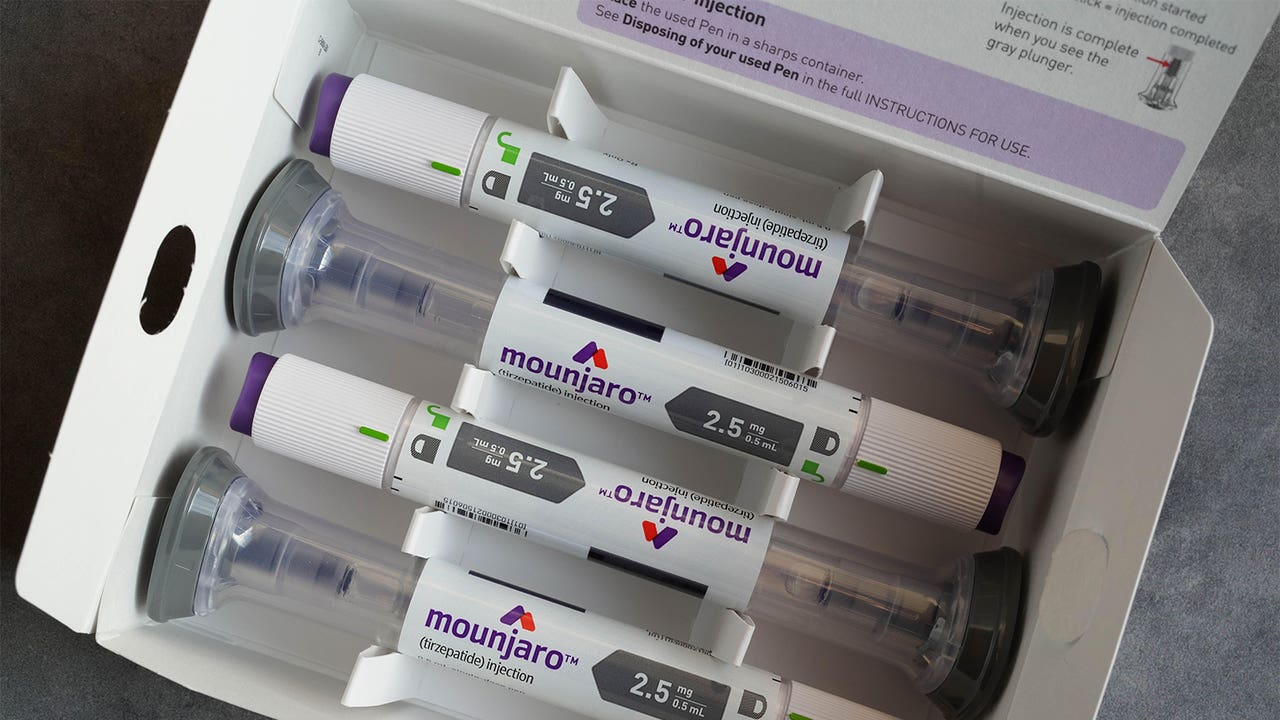
Researchers at Truveta, a health data company, reported on July 8, 2024 in JAMA Internal Medicine that adults with overweight or obesity who started tirzepatide lost significantly more weight over a year than similar adults who started semaglutide [1][2]. The study used real-world electronic health records rather than a randomized trial, and it was widely described as the first large head-to-head comparison of the two drugs [1].
What the study measured
The team analyzed records from more than 41,000 adults with overweight or obesity who were prescribed one of the two drugs for the first time; more than 9,100 got tirzepatide and more than 32,000 got semaglutide [1]. After propensity score matching — a statistical method that pairs patients with similar characteristics — the final analysis cohort included 18,386 patients [2].
Average weight loss favored tirzepatide at every time point: 5.9% versus 3.6% at 3 months, 10.1% versus 5.8% at 6 months, and 15.3% versus 8.3% at 12 months [1][2]. The difference between groups was 2.5% at 3 months (95% CI −2.5% to −2.2%), 4.3% at 6 months (95% CI −4.7% to −4.0%) and 6.9% at 12 months (95% CI −7.9% to −5.8%) [2].
Patients on tirzepatide were 76% more likely to reach at least 5% weight loss, the usual threshold for clinical significance (HR 1.76, 95% CI 1.68–1.84), and were more than twice as likely to reach 10% (HR 2.54) and more than three times as likely to reach 15% (HR 3.24) [2].
Rates of moderate-to-severe gastrointestinal side effects were similar between the two drugs [2], and lead author Tricia Rodriguez said the team saw no significant difference in the risk of serious side effects such as gastroparesis [1]. Discontinuation was common in both groups: 55.9% of tirzepatide patients and 52.5% of semaglutide patients stopped within 12 months [2].
Important limits
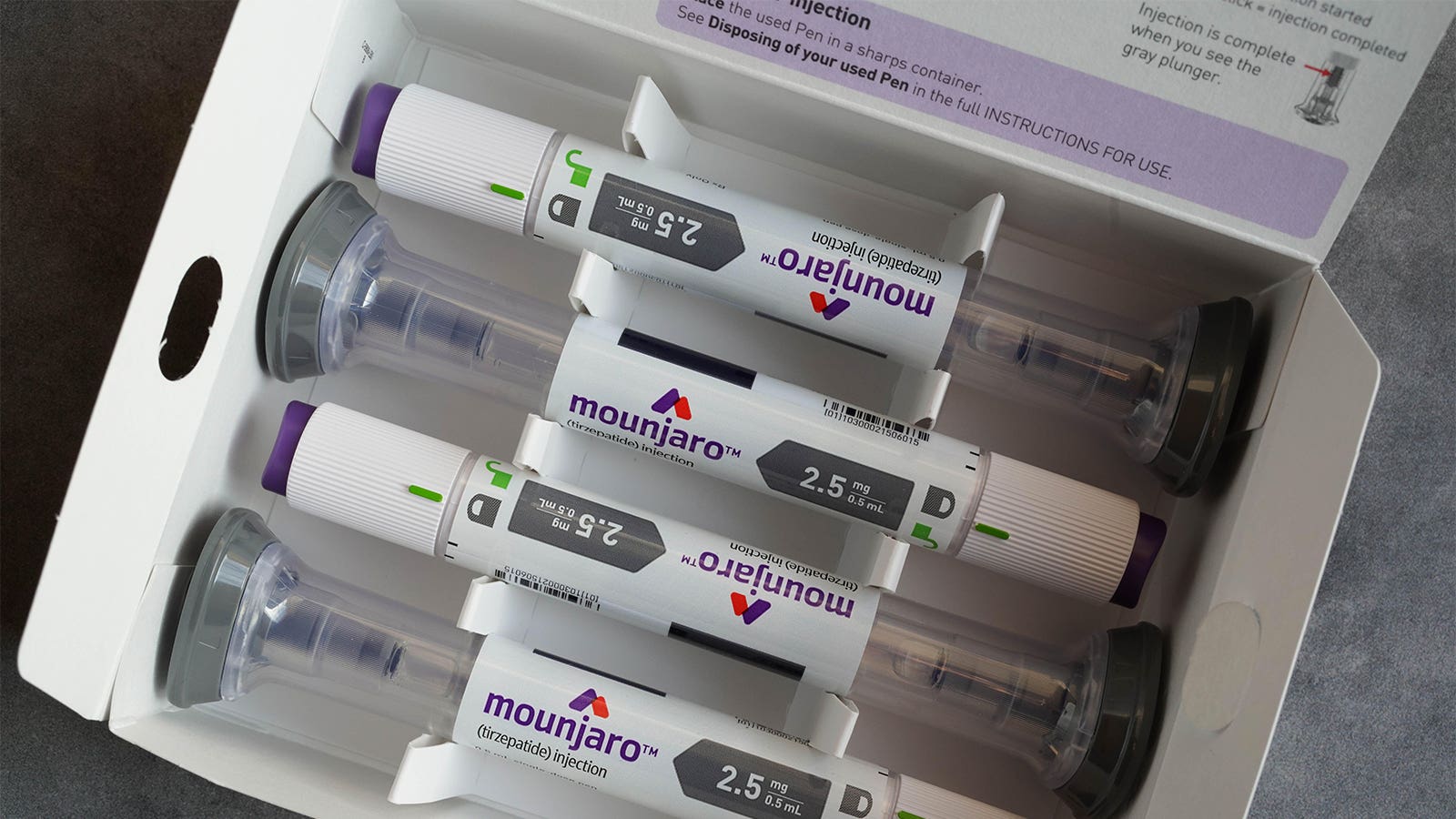
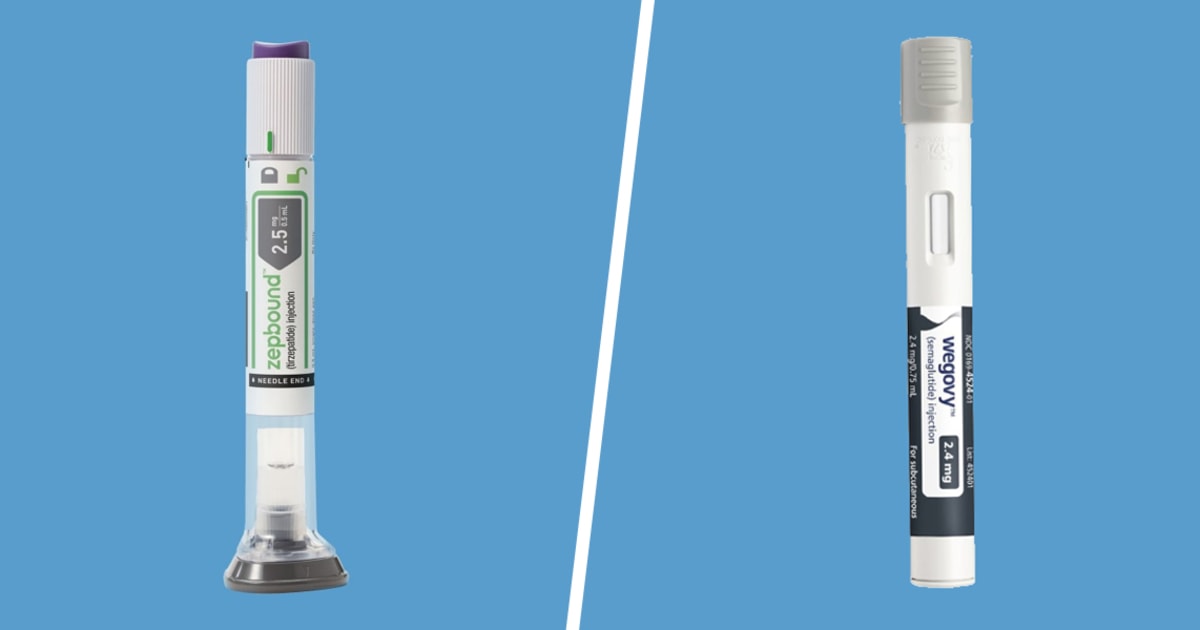
A key detail is which products were studied. Patients were new users of the formulations labeled for type 2 diabetes — Mounjaro and Ozempic — between May 1, 2022 and September 30, 2023 [2]. Prescriptions for Wegovy, the 2.4 mg semaglutide dose approved for weight management in June 2021, were not included, and tirzepatide's weight-management version, Zepbound, was not yet approved during most of the study window [2]. NBC News headlined its coverage as Zepbound outperforming Ozempic and Wegovy [1], but MedPage Today's account of the same paper makes clear the comparison was at diabetes-labeled doses [2]. That is a meaningful difference readers should note.
About 52% of patients in both groups had type 2 diabetes, and those patients lost less weight than people without diabetes — consistent with clinical trials [2]. The average age was 52; 70.5% were female, 77.1% were white and 43.3% lived in Texas [2]. Because the data came from health records, side effects may have been underreported and patients may have taken higher or lower doses than the standard diabetes doses [2].
A Novo Nordisk spokesperson said the study had "key limitations," including the inclusion of patients with type 2 diabetes, who often have a harder time losing weight, and insufficient information about starting and final doses [1].
Why it matters for patients
Before this paper, comparisons between the two drugs relied on separate placebo-controlled trials run at different times in different populations — roughly 21% weight loss on the highest Zepbound dose over 72 weeks versus about 15% for Wegovy over 68 weeks [1]. Those cross-trial comparisons are not reliable. This study put both drugs in the same population with the same follow-up, which is why it drew attention from clinicians and insurers weighing coverage.
At the same time, observational data cannot prove one drug causes more weight loss than the other, because the people who get each prescription may differ in ways matching cannot fully fix. The high discontinuation rates in both groups — more than half within a year [2] — also show that real-world results depend heavily on staying on treatment.
What happens next
Rodriguez said head-to-head randomized trials were still "months away at best" when the study published [2]. Eli Lilly began a phase 3 trial of 700 patients comparing the two medicines in 2023, with completion expected in November, according to ClinicalTrials.gov [1]. Until those results are public, how the drugs compare at their full weight-management doses is not settled.
Images from the sources
Sources
Semaglutides.org is for information only and is not medical advice. Always talk to a licensed healthcare provider about your own care. Some links to telehealth services are affiliate links, labeled where they appear.